 by
by New Electric SUV from Subaru
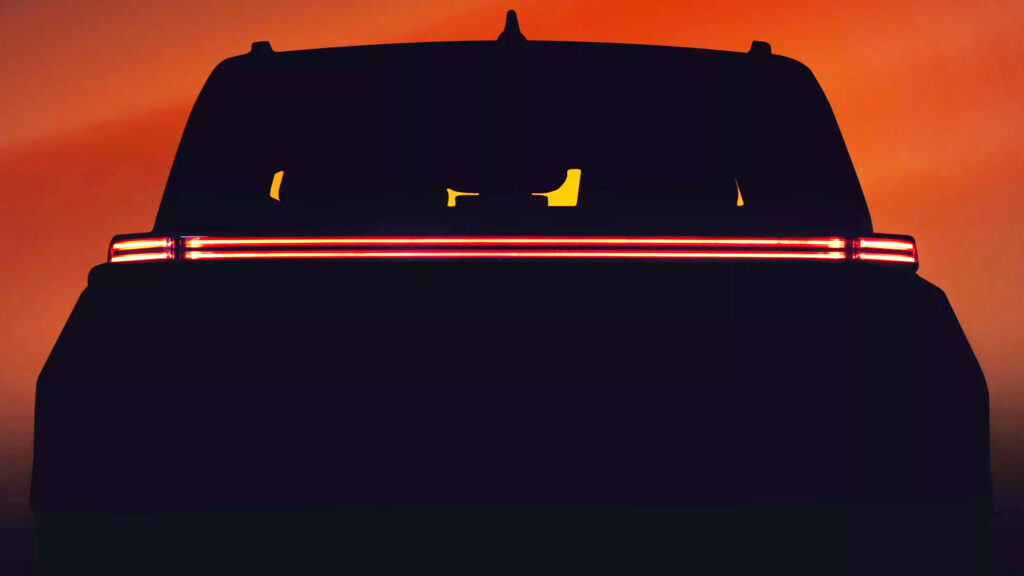
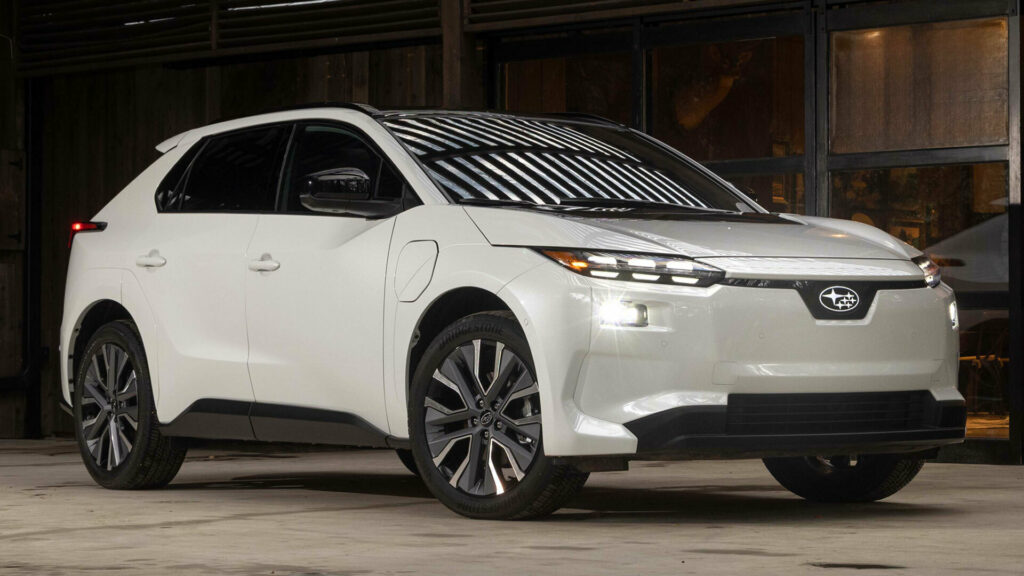
Subaru’s lineup will soon be expanded with a new full-size electric SUV featuring three rows of seats. Similar to the Solterra, this model will not be developed independently by the company but will become a rebranded version of the new electric Toyota Highlander.
Collaboration Plans and Launch Timeline
Subaru’s plans to get its own version of the new Toyota have been known for several years. Toyota and Subaru officially confirmed back in 2023 that both brands would receive this model, expecting production to start in 2025. Although this deadline has already passed, Jeff Walters, Chief Operating Officer of Subaru of America, recently confirmed that the project is still on track.
The new three-row electric vehicle will appear this year, and it will be aimed at households with two cars that have access to home charging.
Walters noted that the model will be sold alongside the already available two-row electric models Solterra, Uncharted, and Trailseeker in the US.
Expected Design and Positioning
It is currently unknown how much the Subaru version will differ from the electric Toyota Highlander, but most likely they will be almost identical, except for minor details and emblems. However, there is a possibility that Subaru will give the model a more off-road character, as was done with the Uncharted model based on the Toyota C-HR.
The new three-row electric Toyota SUV will look very similar to the bZ5x concept shown several years ago and will resemble the smaller Toyota bZ model. This new development has long been anticipated and will give Toyota a worthy competitor to the electric Kia EV9 and Hyundai Ioniq 9.
Possible Expansion of the Model Family
Subaru may not be the only brand to get its own version of the electric Toyota Highlander. According to last year’s reports, Lexus also plans to launch a three-row electric SUV based on Toyota, which could potentially be named TZ and become an electric alternative to the gasoline-powered TX model.
The emergence of this model indicates the growing intensity of collaboration between Japanese automakers in the electric segment, allowing them to fill their product portfolios faster and more efficiently without developing each platform from scratch. For Subaru, this is a strategic step that allows offering customers a modern electric family car while maintaining a focus on practicality and accessibility for families already experienced in using multiple vehicles. The success of this model may largely depend on its pricing policy and how successfully brand-specific characteristics can be integrated into the overall Toyota design.