


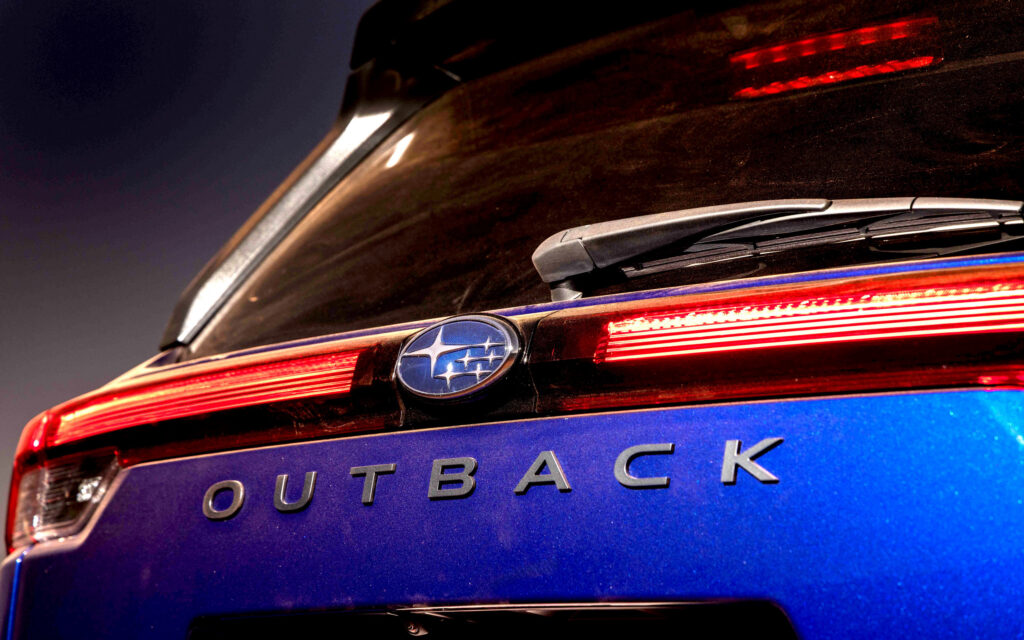
The Evolution of Subaru Outback: From Wagon to Crossover
For many years, the Subaru Outback remained one of the last true wagons on the American market, occupying a unique niche outside of mass-market SUVs. Introduced 32 years ago as a raised and underbody-protected variant of the Legacy, it gained such popularity that it ultimately outlived the model on which it was based.
However, the latest generation of the Outback has moved closer to the SUV concept than ever before, sparking lively discussions among brand enthusiasts.
Moving Away from the Wagon Silhouette
When asked why Subaru moved away from the traditional wagon silhouette, company representative Aaron Cole stated that customers wanted to retain the practicality of a wagon but asked for more cargo space. According to Subaru, this feedback directly influenced the design we see today.
We conducted focus groups throughout the design process of the new 2026 Outback. Our customers made it clear that they liked the utility of the wagon, including the ease of entry, cargo capacity, and other aspects. They indicated they did not want changes to the overall dimensions, although they noted that additional trunk space would always be useful.
In photographs, the new Outback may appear to be a conventional SUV, but measurements tell a slightly different story. It is 0.2 inches shorter and narrower than its predecessor, and only 1.4 inches taller. This places it somewhere between a raised wagon and a full-fledged crossover. According to Cole, the focus groups responded well to the updated shape.
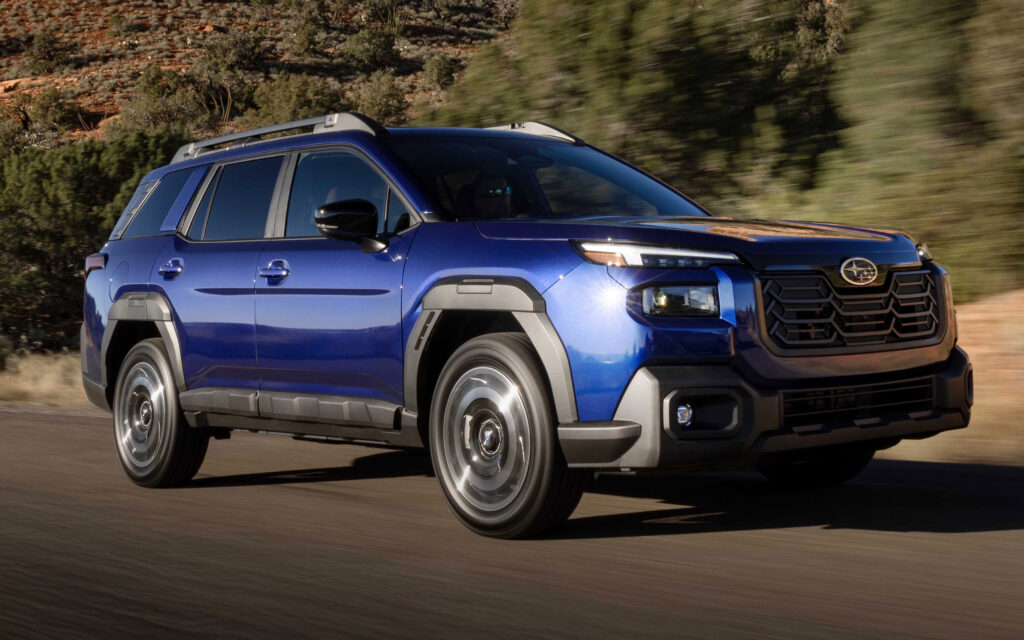

Our final design reflected these customer needs: the same wheelbase, nearly the same overall length, 1.4 inches taller, similar proportions, but with an additional two cubic feet of cargo space. Most focus group participants told us they liked the new exterior design, and as we refined the final design, the feedback we received became increasingly positive.
Cole added that Subaru also conducted extensive research among younger buyers. Many reported to the company that they valued the Outback’s practicality but had previously rejected it due to its appearance—a fact that likely carried weight during the redesign.
Technical Updates and Preserving Traditions
While opinions will likely remain divided, some features of the new Outback should be appreciated by the vast majority of customers. For example, Subaru has finally abandoned the old model line’s portrait-oriented multimedia system display, which housed all climate controls, in favor of a 12-inch horizontal display and separate physical buttons and knobs for the ventilation and air conditioning system. Sometimes progress looks like a return to what worked.
Less encouraging is the powertrain. The familiar 2.5-liter four-cylinder engine remains unchanged, producing 180 hp and 241 Nm of torque. The turbocharged 2.4-liter engine with 260 hp remains on the options list for those who prefer more dynamics. Rumors suggest a hybrid version may join the lineup in the future, but for now, the powertrain remains virtually unchanged.
Sales Dynamics and Market Context
Outback sales peaked in 2017 when Subaru sold 188,886 units. As analysts note, the following two years remained successful, but the post-pandemic reality proved less optimistic: annual volumes fluctuate between 147,000 and 168,000 units.
This transformation of the Outback reflects a broader automotive trend where clear boundaries between classes are blurring. The company is trying to balance preserving the identity of the model that won the love of millions with adapting to modern market demands dominated by tall bodies and increased ground clearance. The success of this strategy will determine whether the Outback can continue to remain a unique phenomenon or will ultimately dissolve into a sea of look-alike crossovers. The decision to return physical climate control buttons indicates that the manufacturer is listening not only to design requests but also to usability, which could become a key factor for loyal buyers.