


Subaru discontinues e-BOXER mild hybrids
Subaru has announced a gradual discontinuation of its e-BOXER mild hybrid powertrain. As early as September 2026, the Japanese automaker plans to stop accepting orders for models with this type of engine. Thus, the Subaru lineup will be clearly divided into three categories: vehicles with conventional petrol engines, powerful hybrids (S:HEV), and fully electric models.
History and reasons for abandoning e-BOXER
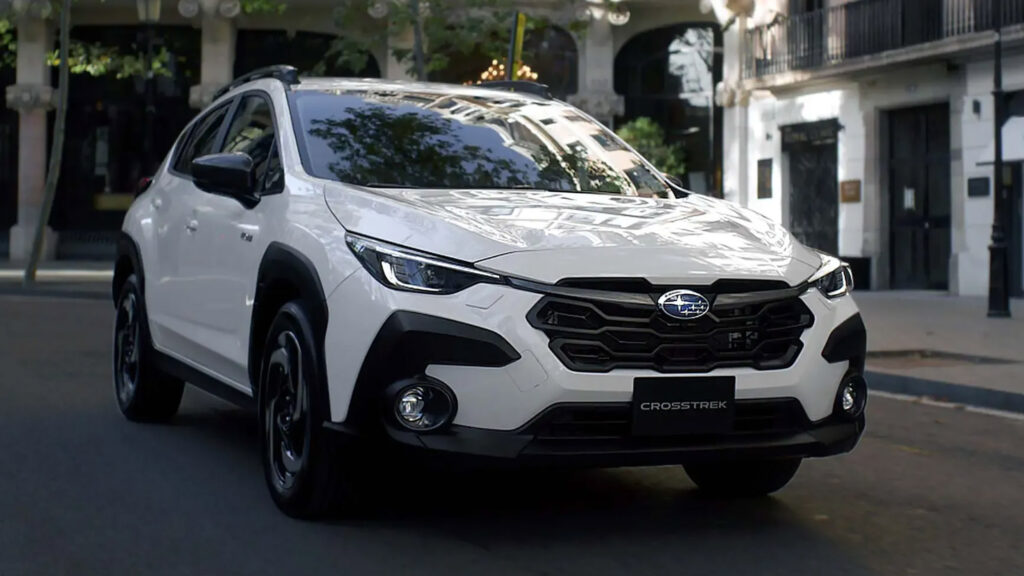
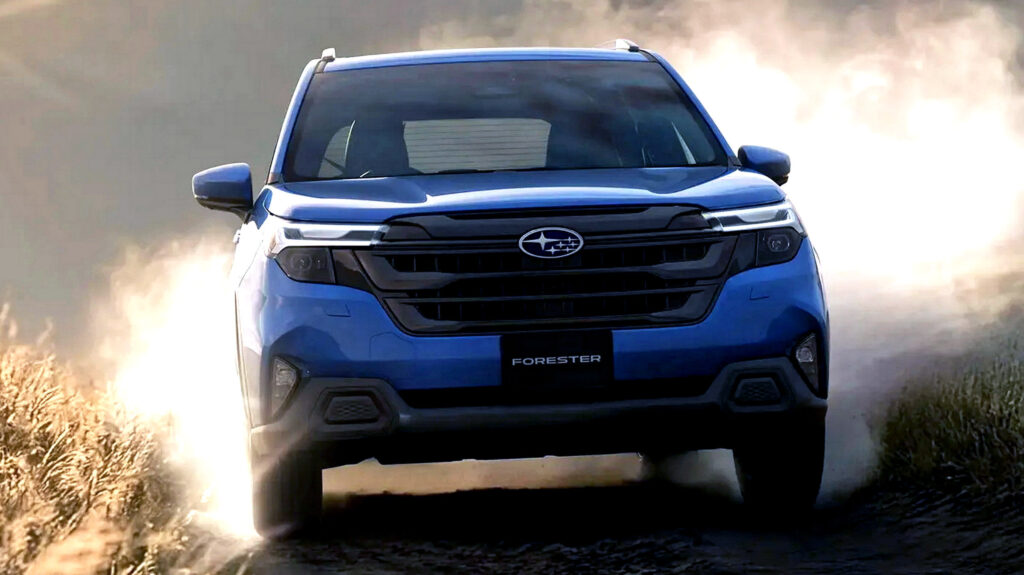
The mild hybrid 2.0-liter e-Boxer engine debuted in 2018 in the Japanese market and later appeared in Europe, Oceania, and Asia. It was never offered in North America. This powertrain was used on the Impreza, Crosstrek, and Forester models but was not installed on the Levorg, Legacy, Outback, WRX, and BRZ.
Japanese publication Nikkei reported this decision, citing a statement from Subaru:
“In light of progress in electrification and tightening environmental regulations, we reviewed our product portfolio and decided to discontinue the mild hybrid vehicle program.”
New lineup structure
After abandoning the mild hybrid, the Subaru lineup will undergo significant changes:
S:HEV technology and collaboration with Toyota
Subaru’s S:HEV hybrid system is self-charging. It combines a naturally aspirated 2.5-liter four-cylinder Boxer engine with a single electric motor and a battery pack borrowed from Toyota. However, unlike Toyota’s E-Four electric all-wheel-drive system, torque in Subaru is transmitted to all four wheels via a mechanical Symmetrical AWD system.

Future for enthusiasts
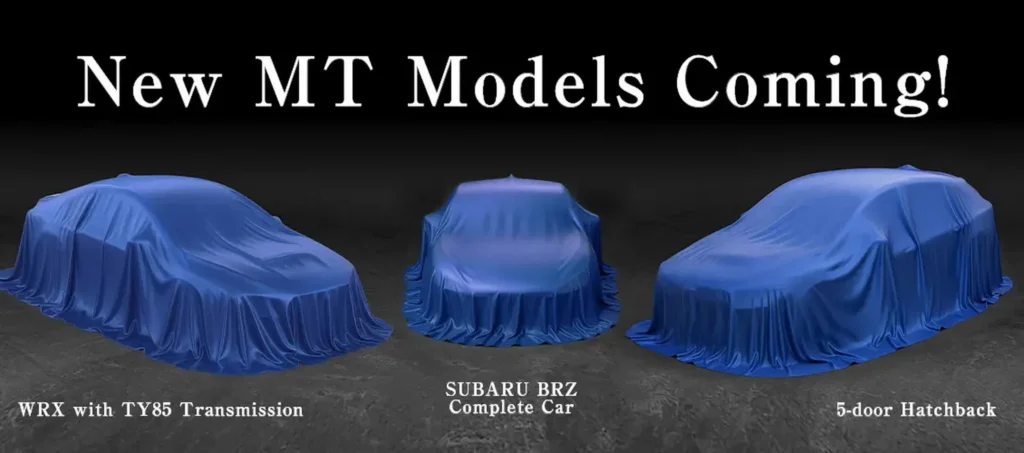
Despite the active push toward electrification, Subaru is not abandoning petrol engines for enthusiasts. The company has confirmed plans to release three new models with a manual transmission and petrol engines. These are expected to include a WRX hatchback, a WRX sedan, and an updated BRZ.

This decision demonstrates Subaru’s ambition to optimize production and meet stringent environmental regulations while maintaining commitment to the brand’s traditional values. Abandoning the intermediate link of the mild hybrid allows the company to position its models more clearly: either affordable and simple petrol cars, high-tech hybrids, or fully electric crossovers. Notably, Subaru continues to invest in developing “passionate” models with manual transmissions, indicating sustained interest in the sports car niche even in the era of global electrification. Collaboration with Toyota in hybrid technologies is likely to deepen, allowing Subaru to compete more effectively in a rapidly changing market.