 by
by A New Chapter for Subaru
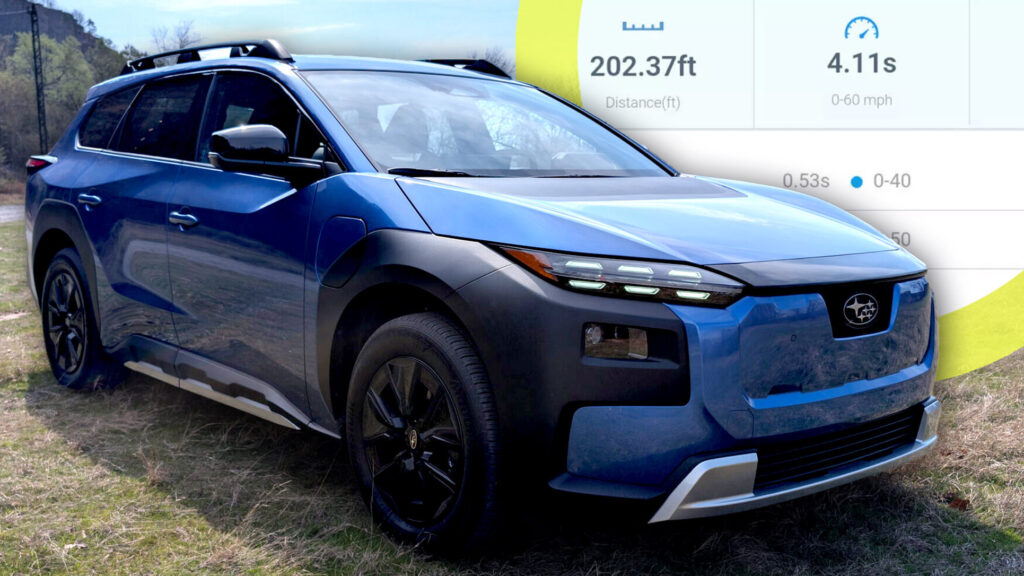
Subaru has long moved away from its image as a brand for speed racing. Today, the company emphasizes maturity and everyday practicality, and the new Trailseeker electric vehicle fits perfectly into this concept. As the brand’s second electric car, it offers a large cargo compartment, 8.5 inches of ground clearance, and a range of up to 280 miles. It is a very smart choice.
However, it also develops 375 horsepower (280 kW) and proves to be faster than Subaru officially claims. In fact, it is the fastest production Subaru car ever tested.
Review: Subaru Has Finally Created a Truly Fast Wagon, And It Turned Out to Be Electric
Real Test Results
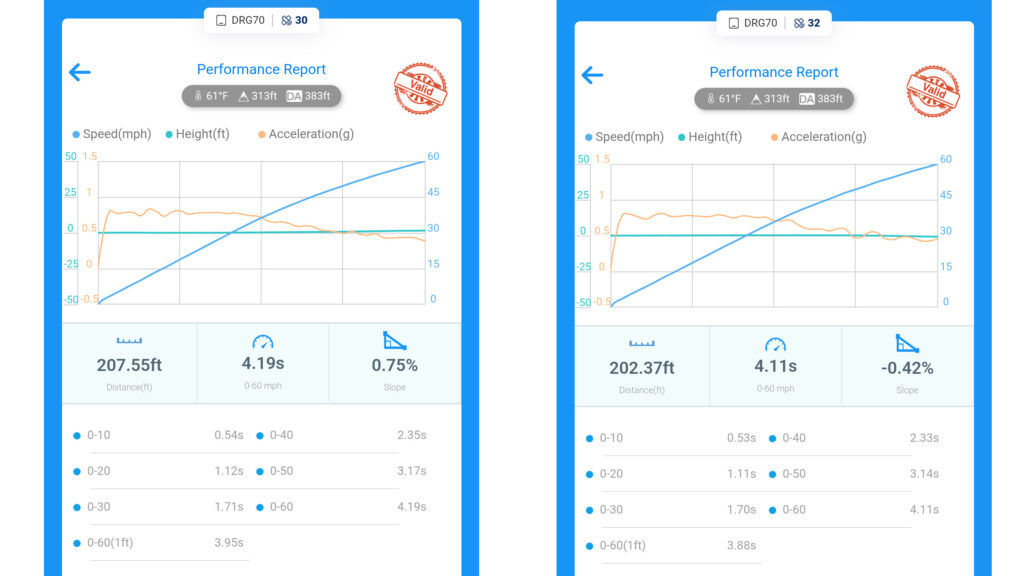
Using the Dragy GPS device to measure performance, several 0 to 60 mph accelerations were recorded under normal road conditions. Without a prepared track or special surfaces. Just asphalt, GPS data, and enough information to claim that Subaru seems to have been a bit modest. Officially, the Trailseeker is claimed to accelerate in 4.4 seconds. And in the real world? At worst, according to our tests, it manages in 4.2 seconds, and that’s only part of the story.
The Impact of “Rollout” on Performance
Our GPS data logs include runs both with and without a one-foot “rollout.” Most automotive publications in the States test with such a rollout. It can be imagined as one foot of free, unaccounted movement from the moment the car starts moving. If you give the Trailseeker such a small advantage, it shows a time of 3.88 seconds. This is impressive, and even without the rollout, the same run took 4.11 seconds from a complete stop.
Here is what we saw, in the order of each run:
3.95 seconds (ascent with a 0.75-degree slope) – 4.19 seconds without rollout
3.96 seconds (ascent with a 0.69-degree slope) – 4.20 seconds without rollout
3.88 seconds (descent with a 0.42-degree slope) – 4.11 seconds without rollout
3.92 seconds (ascent with a 0.73-degree slope) – 4.12 seconds without rollout
This is worth pondering.
A Convincing Advantage
Three out of four runs were made uphill. Not dramatically, but enough to slow down the time. Even then, the Trailseeker consistently showed under four seconds to 60 mph with rollout considered. If it is excluded, the results still remain in the low 4.1–4.2-second range. This is serious performance by any standards, especially for a practical Subaru car.
More: The New Subaru Trailseeker Costs $5000 More Than the Outback
For context, this places it ahead of all production Subaru models we have tested before and ahead of all official acceleration times ever published by the company. The fastest versions of the WRX never came close to such figures. Instant electric torque, all-wheel drive, and pure power delivery ensure hard, repeatable launches.
Result Consistency
Even more impressive is the consistency. These were not isolated “lucky” attempts selected from a dozen. The data demonstrates repeatability on various small slopes, confirming: such performance is not accidental but built into the platform. Not everyone will like this car, but it is undeniably very fast.
One thing is beyond doubt. Based on our real-world GPS testing, the Trailseeker is officially the fastest production Subaru we have ever measured. One can only imagine what it could show on a prepared surface with stickier tires.
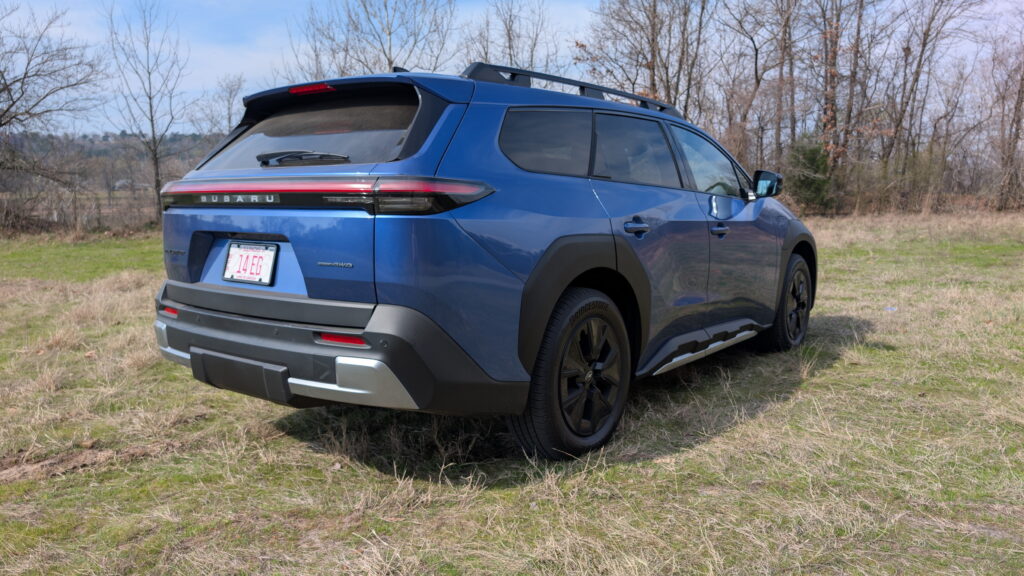
The Trailseeker’s success indicates significant technical progress by Subaru in the electric era. The model not only preserves the brand’s traditional values, such as all-wheel drive and high off-road capability, but also adds a level of dynamics previously associated with other segments. This could change the perception of the brand among those seeking a combination of practicality and high performance without the compromises typical of conventional sports models. Such results also raise questions about the future of Subaru’s performance lineups in the context of the transition to electric drive.