 by
by Court Finds Tesla’s Marketing of Autopilot System Misleading
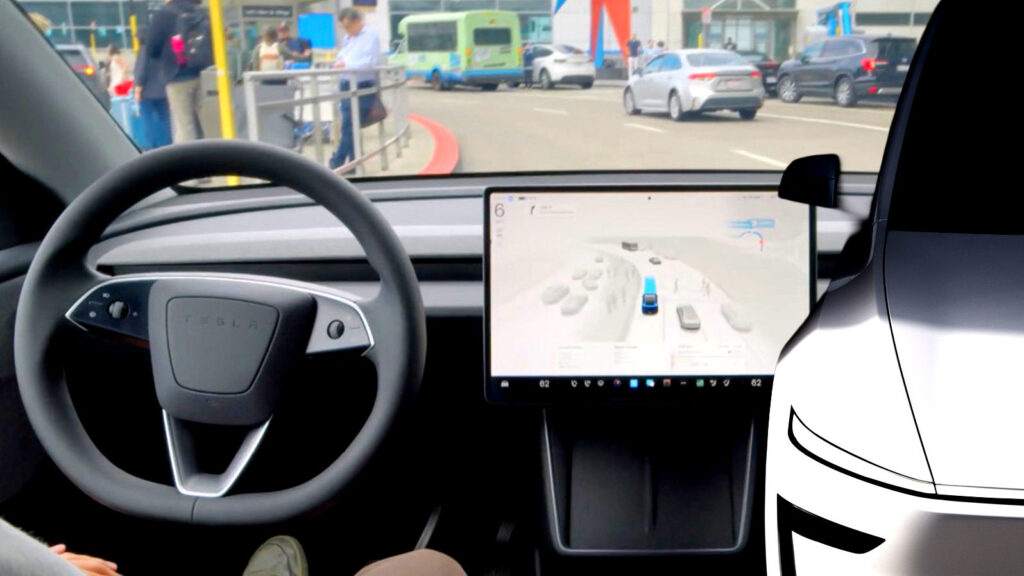
A judge in California has ruled that Tesla’s marketing materials for its Autopilot driver assistance package misled buyers. This decision could have serious consequences for the electric vehicle manufacturer.
Potential Sanctions and a Chance to Correct
The court initially recommended a 30-day ban on the sale and manufacture of Tesla vehicles in California. However, the state’s Department of Motor Vehicles (DMV) gave the company an opportunity to avoid immediate sanctions. Instead, Tesla has been given 60 days to review and correct the wording related to Autopilot in its advertising and on its website. The sales ban will only be applied if this requirement is not met.
The Essence of the Case and the Problematic Name
The case originates from 2022, when the DMV accused Tesla of exaggerating the capabilities of its driver assistance systems. According to the regulator, the names and descriptions on the official website created the impression that the cars could drive themselves completely, whereas in reality the technology requires the driver’s constant attention and readiness to intervene at any moment.
The judge agreed with this and pointed out that the phrase “Full Self-Driving capability” is particularly problematic. The ruling states that a reasonable consumer would assume that a feature with such a name could operate without the driver’s constant attention, which does not correspond to either the technological capabilities or legal requirements.
Since then, Tesla has changed the name to “Full Self-Driving (Supervised)”, but the judge noted that the past use of the term still crossed the line of what is permissible.
Tesla’s Position and Additional Legal Problems
Tesla representatives insist that this is merely a discussion of terminology within the framework of consumer protection and claim that no customer has filed complaints. The company also stated that sales in California continue without hindrance.

However, the company’s legal problems are not limited to this review. Regardless of the absence of specific complaints in the DMV case, Tesla continues to fight a class-action lawsuit from car owners who claim they were misled about the capabilities of autonomous driving.
Pressure on the Company and the Future
This court case arises against the backdrop of Tesla’s record stock performance, driven by announcements regarding the development of a robotaxi. This may explain the company’s reluctance to radically change its marketing language, which emphasizes its autonomous ambitions. Tesla now has two months to decide: to argue with regulators or simply update the wording on its website. Regardless of the choice, the saga surrounding Autopilot and FSD is far from over.
The California DMV’s decision sets an important precedent for the entire automotive industry, especially for manufacturers developing autonomous technologies. It serves as a reminder that marketing claims must clearly correspond to the real, not future, capabilities of systems. This could lead to a more cautious and responsible approach to customer communication, as the consequences can be not only reputational but also financially significant. Further developments will show whether this case becomes a turning point for a global rethinking of how technology companies present complex driver-assistance systems to the general public.