 by
by Judge Orders Closure of Thousands of Miles of Routes to Protect Desert Tortoises
Off-road enthusiasts in California’s Mojave Desert may soon have to check their maps. A federal judge has ordered the closure of approximately 2,000 miles (3,200 km) of off-road vehicle routes to protect a creature that moves at a speed significantly slower than a tuned-off-roader. This creature is the desert tortoise.
The decision concerns trails that pass through critical tortoise habitat in the western Mojave. Environmental groups argued that these routes allow trucks, off-road motorcycles, and all-terrain vehicles to drive directly through sensitive desert ecosystems. The judge agreed and ordered the Bureau of Land Management to close them.
This decision is the result of years of legal battles between environmental groups and the federal agency responsible for land management. Judge Susan Illston ruled that off-road vehicles remain a serious and constant threat to the survival of tortoises in the region.
Sharp Decline in Desert Tortoise Population
The numbers behind this decision are grim. Scientists claim that the desert tortoise population in some monitored areas has declined by 96 percent since the 1970s. Researchers argue that crushed burrows, disturbed soil, and destroyed vegetation play a role in this decline.
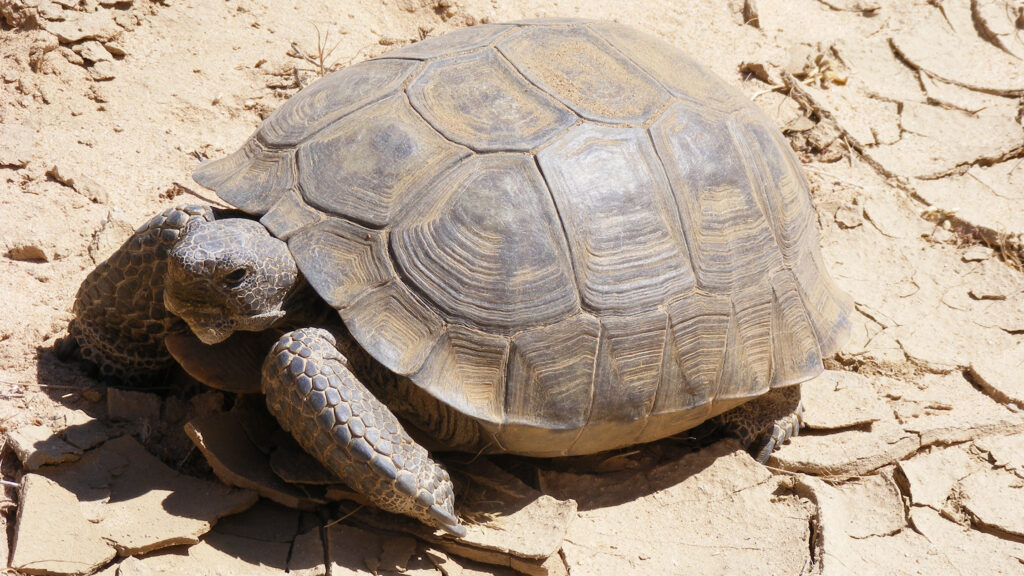
Tortoises spend most of their lives underground in burrows they dig themselves. These burrows stand little chance against a truck with wide tires. Since other desert animals also use these shelters, the loss of tortoises could have a domino effect throughout the ecosystem.
Plenty of Room for Recreation Remains
This decision does not close the entire Mojave Desert to off-road adventurers. About 3,800 miles (6,100 km) of routes will remain open, along with approximately 270,000 acres of land where vehicles can still roam freely over open terrain. Popular off-roading areas such as Johnson Valley and other major recreation sites are expected to remain accessible.

Nevertheless, the closure has sparked significant backlash among off-road enthusiasts and local businesses that depend on tourism. Some residents argue that this decision could harm small desert towns that rely heavily on visitors bringing trailers full of dirt bikes, ATVs, and perhaps in a few years, crazy Kawasaki motorcycles with legs.
Off-Roaders Are Not the Only Ones to Blame
Supporters of the decision argue that motorized recreation has simply become too large-scale for the fragile desert ecosystem. Critics contend that off-roaders are being unfairly blamed for problems that include invasive species, disease, infrastructure development, and climate change, all of which can affect ecosystems.
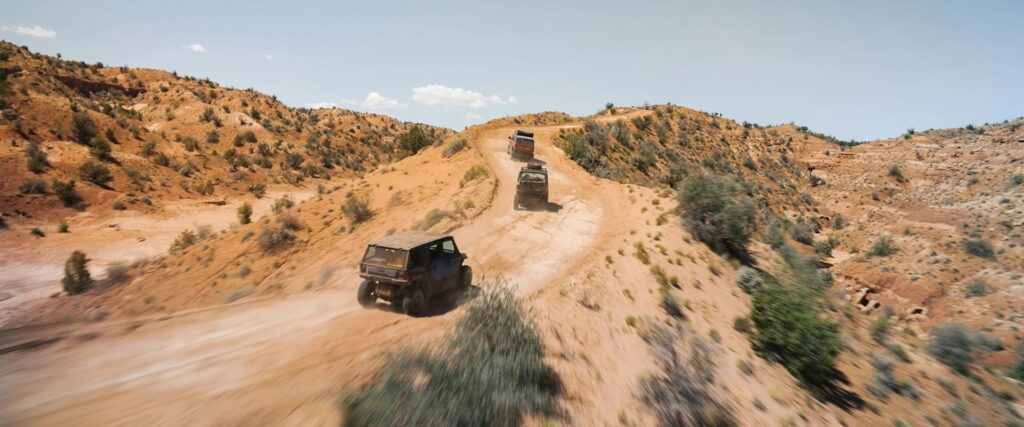
The Bureau of Land Management now has until 2029 to develop a new route network that better protects wildlife. And until then, the Mojave Desert will remain a bit quieter, with less dust, and perhaps a little safer for the very slow animal that just managed to win the most important race of its life.
This court decision highlights the complex balance between recreational use of public lands and their ecological value. While the route closures are significant, they affect only a portion of the available territory, indicating an attempt to find a compromise. The long-term impact on local economies dependent on tourism remains a subject of debate, as does the effectiveness of these measures in restoring the tortoise population in light of numerous threats. The success of this initiative will largely depend on how the new route management plan is implemented and whether sufficient resources are allocated for monitoring and habitat protection.