


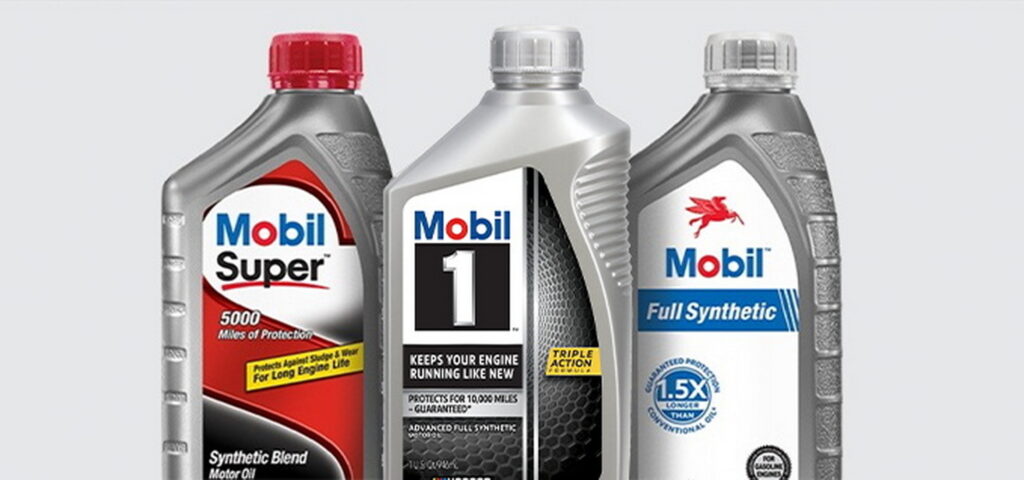
Consequences of the conflict in Iran for the motor oil market
The impact of the conflict in Iran on fuel prices is already obvious to everyone: gasoline prices are rising, and every kilometer of travel is becoming more expensive. However, according to numerous new reports, consumers may face an unpleasant surprise in the area of motor oil changes as well. Some sources indicate a possible 40% reduction in the supply of motor and diesel oils.
Reports of shortage and AutoZone’s internal memo
Over the past week, reports of a threat of motor oil shortage have been coming from various sources. The most telling was the publication of a document resembling an internal memo for the Southeast region of the AutoZone store chain. This document states:
“Realistic, moderate estimates suggest that the average available supply in this category of goods [lubricants] will decrease by 40%.”
This figure consistently appears in various sources and means one thing: oil changes, transmission fluid changes, and any other procedures related to car lubrication will become significantly more expensive. The editorial team reached out to AutoZone for comment, but at the time of writing, no response was received.
Reaction from auto repair shops and small businesses
Local auto repair shops are already preparing for changes. As reported by the general manager of one repair shop in Little Rock, Arkansas, suppliers are being very secretive. They confirm that prices will rise but cannot say how this will affect supply volumes for the main product line.
Another shop owner in Washington, D.C., reported that Mobil and Shell companies warned Costco and Walmart about the unavailability of goods for shipment. Later that same day, he published a document similar to instructions for managing supply chain issues. Recommendations included partially replacing 0W-8 oil with 0W-16, and 0W-16 with 0W-20. These are just the latest and most accessible examples of the current situation.
Early signs and forecasts
The problem has been brewing for weeks. As early as the beginning of April, a participant on the ToyotaNation forum noted that “about 40% of global GTL Group 3 base oil production was halted three weeks ago due to the current situation in the Middle East.” Typically, forum posts should not be taken seriously, but combined with the latest news, the picture becomes alarming.
The owner of another shop in Las Vegas said in an interview with ABC 13: “Unfortunately, I may have to raise prices by a dollar or two, but for now I’m trying to keep them at the same level to help customers, even if I lose a dollar or two on each oil change.”
What should consumers do?
Such goodwill cannot last forever. If you are used to changing your oil yourself, it might be worth stocking up. And if you prefer service, be prepared for the final price to be higher than last time.
The situation on the oil market is another reminder of how global geopolitical crises affect everyday life. The conflict in Iran, a key player in the region, directly impacts supply chains for raw materials used in oil production. This is not just about gasoline prices, but also about the availability and cost of basic car maintenance items. It is worth noting that such fluctuations may lead to changes in consumer behavior: drivers may start changing oil less frequently or seek alternative, cheaper products, which in the long term could affect engine condition. For now, official comments from major manufacturers and retailers are limited, but available signals indicate that the market is entering a phase of uncertainty and rising prices.