


Driver Complaints and Official Response
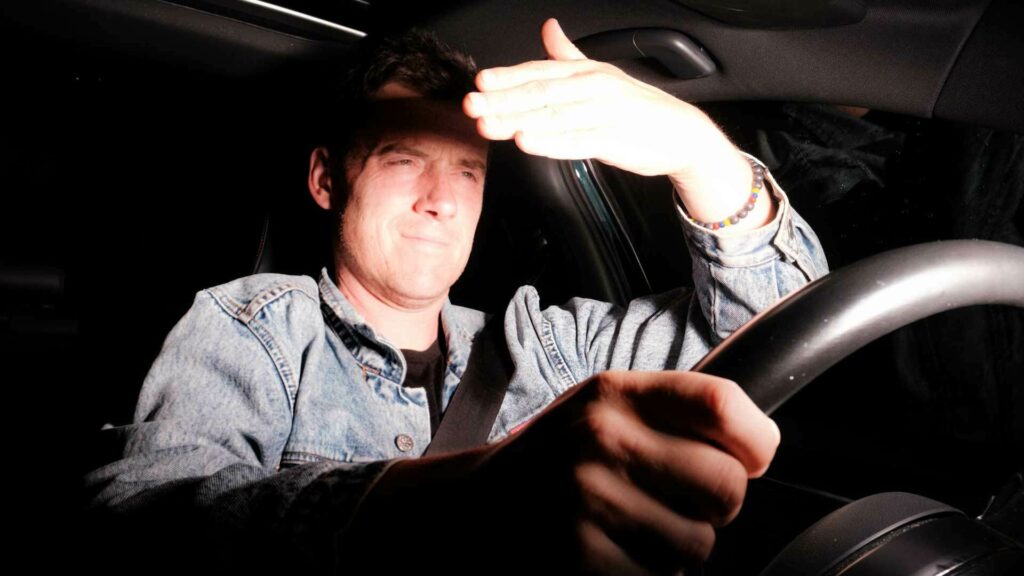
Recently, many drivers have been facing the problem of overly bright headlights from oncoming vehicles, especially on SUVs. This has caused outrage, and politicians in Canada and the US have begun responding to these complaints, calling for regulation of the brightness of modern lighting.
Vancouver City Councilor Sean Orr introduced a proposal to address the issue, as drivers complain about being blinded and distracted during dark hours. Similar concerns were expressed by US Congresswoman Marie Gluesenkamp Perez.
What Accident Data Shows
However, the situation is not as simple as it seems. Road safety experts from the Insurance Institute for Highway Safety (IIHS) analyzed accident statistics. They concluded that glare from headlights is the cause of only a tiny percentage of accidents that occur at night.
Between 2015 and 2023, glare was cited as a cause in only one or two out of every thousand nighttime crashes in various states.
This indicator has hardly changed in recent years, despite headlights becoming brighter. Instead, quality headlights that better illuminate the road ahead help prevent accidents, especially with pedestrians in the dark.
The Real Threat – Insufficient Visibility
Data indicates that a significantly bigger problem for safety is not bright headlights, but insufficient visibility due to the poor quality of old headlights, poor road design, and their maintenance. IIHS notes that it is insufficient visibility that causes far more accidents than bright light.
Often, a driver who is blinded runs off the road alone, so the vehicle with bright headlights is not involved in the crash and does not appear in the statistics. This creates a perception that the problem is widespread, although it rarely manifests in the numbers.
Technologies to Combat Glare
Automakers are constantly improving technologies to reduce glare without compromising visibility. Headlight rating systems, such as those from IIHS, penalize models for excessive glare.
In 2017, more than one in five headlight systems tested by IIHS created too much glare. For 2025 models, that figure has dropped to just a few percent.
Modern assistance systems, such as automatic high-beam dimming and lane departure warning systems, can further reduce the number of glare incidents and related accidents.
Despite obvious progress in lighting quality, the debate about driver comfort remains relevant. The question is whether legislative limits on brightness are a necessary step, or whether technological development itself will overcome this problem. It is important to understand that improving visibility is safer for all road users, but this should not come at the cost of discomfort for oncoming drivers. The balance between these two factors is the key to safe roads during dark hours.