 by
by The Croatian company Rimac Technology, despite its smaller scale compared to Asian giants, is actively working on promising technologies for electric vehicles. One of the most ambitious projects is the development of a solid-state battery, which could appear in a new Bugatti model as early as 2030.
Development of Battery Technologies
Rimac Technology, spun off as a separate engineering company in 2022, specializes in the development and supply of electric components. According to Chief Operating Officer Nurdin Pitarevic, to create the new battery, the company is collaborating with composite material specialists from Mitsubishi and solid-state cell developer ProLogium.
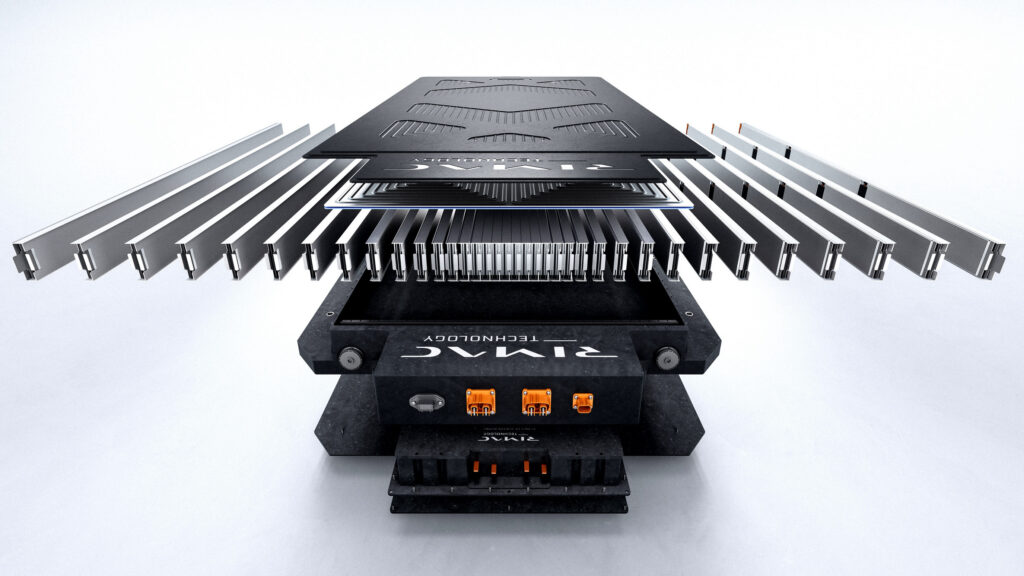
The battery prototype is a 100 kWh pack that weighs 30 kg less than a conventional equivalent. It provides 20-30% greater energy density compared to traditional batteries. The long-term goal is to achieve price parity with conventional NMC cells by 2035.
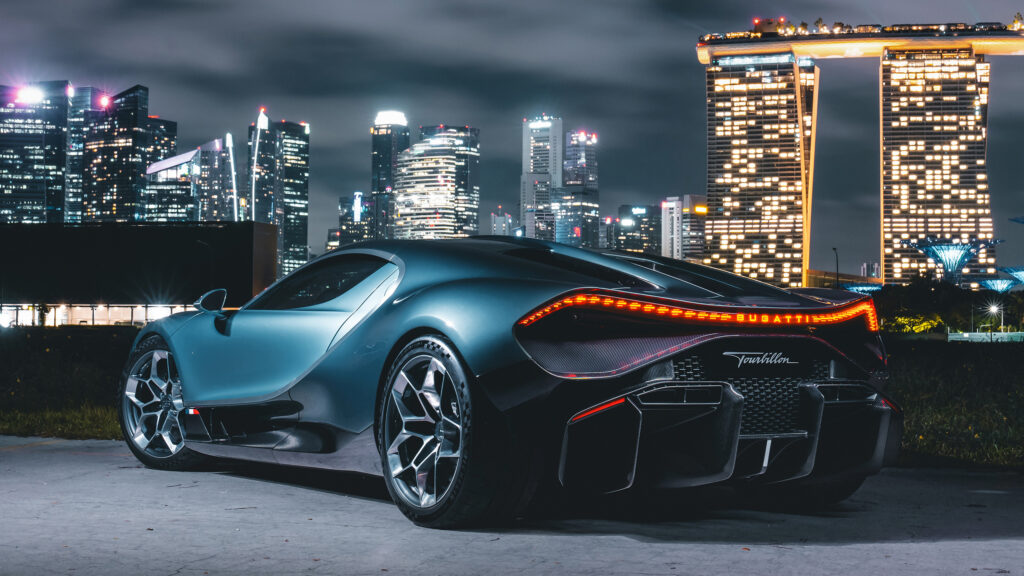
Pitarevic also reported that testing of the new batteries will begin soon and hinted at their use in a medium-volume production Bugatti model in 2030. Details about the new Bugatti model are still limited, but it will likely be the long-awaited car that will take its place alongside the Tourbillon model, not a special version of that V16-powered monster.
Innovations in Electric Drivetrains
Rimac Technology is developing not only batteries. The company is also working on new e-axle systems, which combine electric motors, gearboxes, and electronics into a single module. They are flexible enough for use in front-, rear-, and all-wheel-drive models.

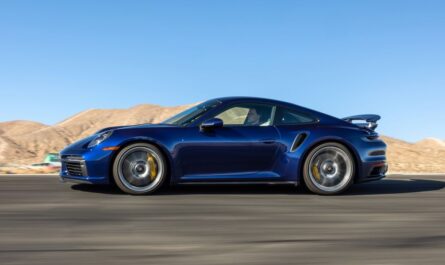
The power of these systems can range from 200 to 470 hp, making them suitable for a wide range of sports models. Among the automakers already ordering e-axles from Rimac are Porsche and BMW.
The Saudi startup Ceer, created in partnership with Foxconn Technology Group, is also collaborating with the company. The future Ceer SUV will receive a rear e-axle system from Rimac, whose power will be comparable to the 1,288-hp rear motor of the Rimac Nevera, while the entire module will weigh only 132 kg, which is 66 kg lighter than the similar system in the Nevera. Rimac is also developing a smaller e-axle weighing just 48 kg with a projected power of 500 horsepower.
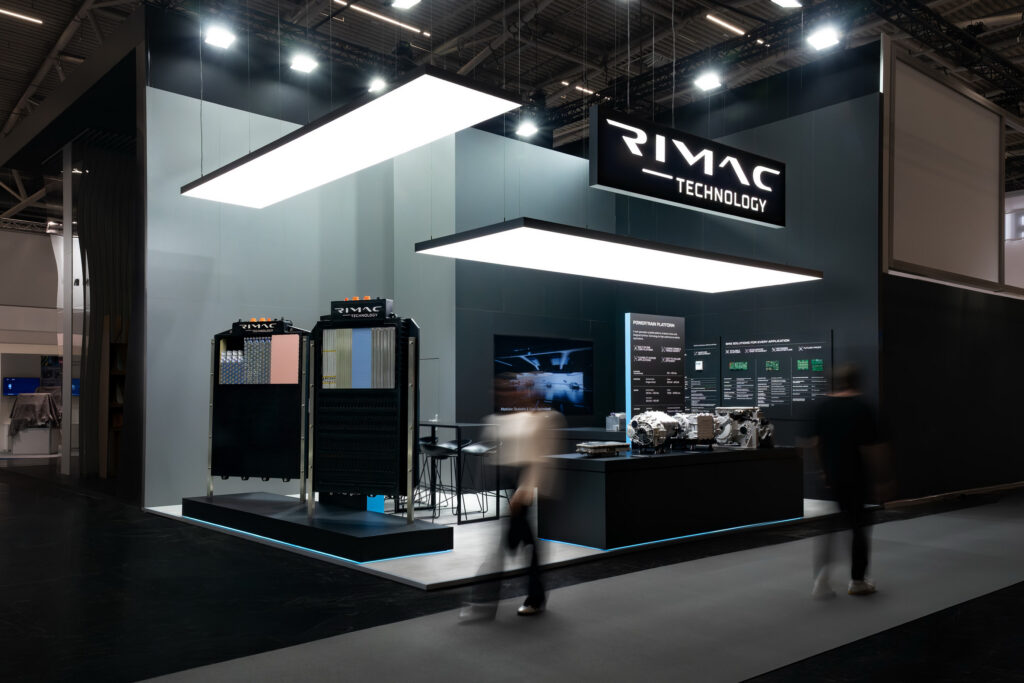
Rimac’s progress in solid-state batteries could become key not only for Bugatti but for the entire high-performance electric vehicle market, offering solutions to increase range and reduce weight. Active collaboration with major manufacturers and startups indicates recognition of their technological solutions in the global automotive industry. The success of these developments could significantly accelerate the transition of the high-performance segment to electric power while preserving key characteristics of dynamics and autonomy.