


The Essence of the Bill
In the United States, an initiative to improve road safety by focusing on drivers who do not read or write in English is gaining momentum. This trend has reached the legislative body of the state of Tennessee. Legislators want to guarantee that anyone taking a driver’s exam passes the written portion in English. Supporters say such a step could improve safety, but critics warn it could backfire.
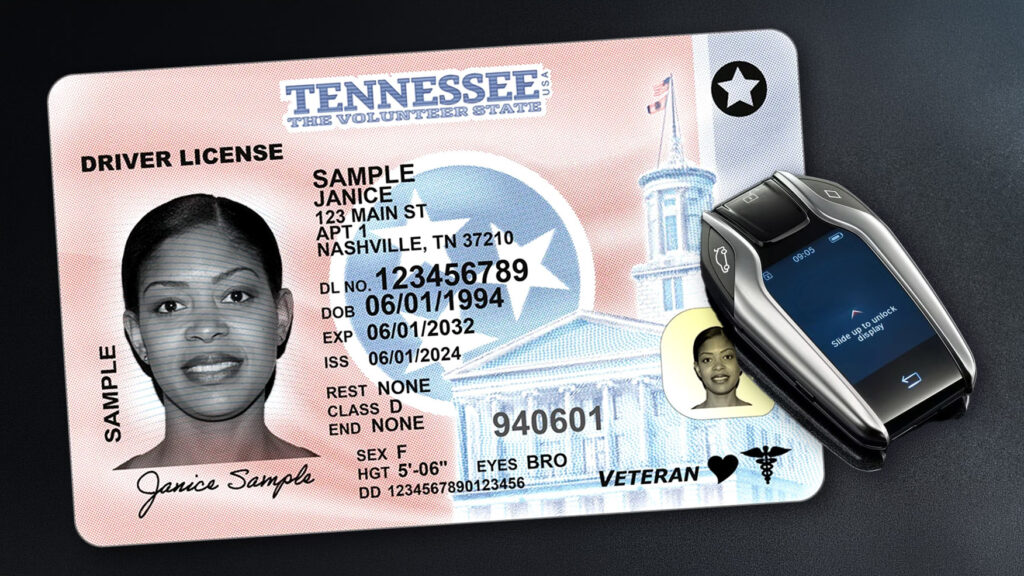
House Bill 1708, introduced by Representative Kip Capley, would require all written driver’s license tests to be conducted in English. Candidates who are unable to pass the test would still be eligible to obtain a restricted license for up to 18 months. This license would permit travel to work, school, daycare, medical facilities, places of worship, and other essential destinations.
Supporters’ Position
According to media reports, legislators recently approved an amendment extending the validity of restricted licenses from one year to 18 months, while also expanding the list of permitted travel reasons. Supporters argue the change is necessary to guarantee that drivers can understand road signs, warnings, and official instructions. This is the same argument we’ve heard in many other states regarding long-haul truck drivers.
Capley stated during a committee hearing that the state is not responsible for helping candidates learn English, adding that driving is a privilege, not a right. “If you want something badly enough, you will go and get it,” Capley said at the House Transportation Committee meeting.
Critics’ Warnings
However, not everyone agrees. Representative Justin Pearson expressed concern that the bill could unintentionally make roads less safe by forcing some drivers to remain unlicensed.


Pearson argued that if the state requires testing only in English, it should also provide resources, such as tutoring, to help candidates meet the requirement. Without these resources, he warned, the policy could create barriers even for people legally residing in Tennessee.
He also noted that the proposal was not a request from the state’s Department of Safety and could lead to an increase in uninsured drivers if people are unable to obtain a license.
The Bill’s Further Path
The bill was approved by the House Transportation Committee with a vote of 16-3 and is now headed to a financial subcommittee, where legislators will decide whether it moves forward toward enactment.


This discussion is taking place at a time when technologies such as automated driving systems are beginning to influence our understanding of safety and competence behind the wheel. The issue of language accessibility for government services, such as obtaining a license, remains complex and often polarizing. Balancing the need to ensure all drivers can understand traffic rules with not creating disproportionate barriers for certain population groups requires careful consideration of consequences that may extend far beyond road safety, touching on social integration and economic opportunities.