


California launches first ‘smart highway’: drivers may be forced to wait up to 4 minutes at on-ramps
The problem of traffic jams is familiar to many American cities, but California faces it particularly acutely. Usually, solving this issue requires expanding roads, which costs hundreds of millions of taxpayer dollars and involves months of construction work that only worsens the situation. The city of Temecula decided to take a different path — and it all starts with some cars simply being stopped.
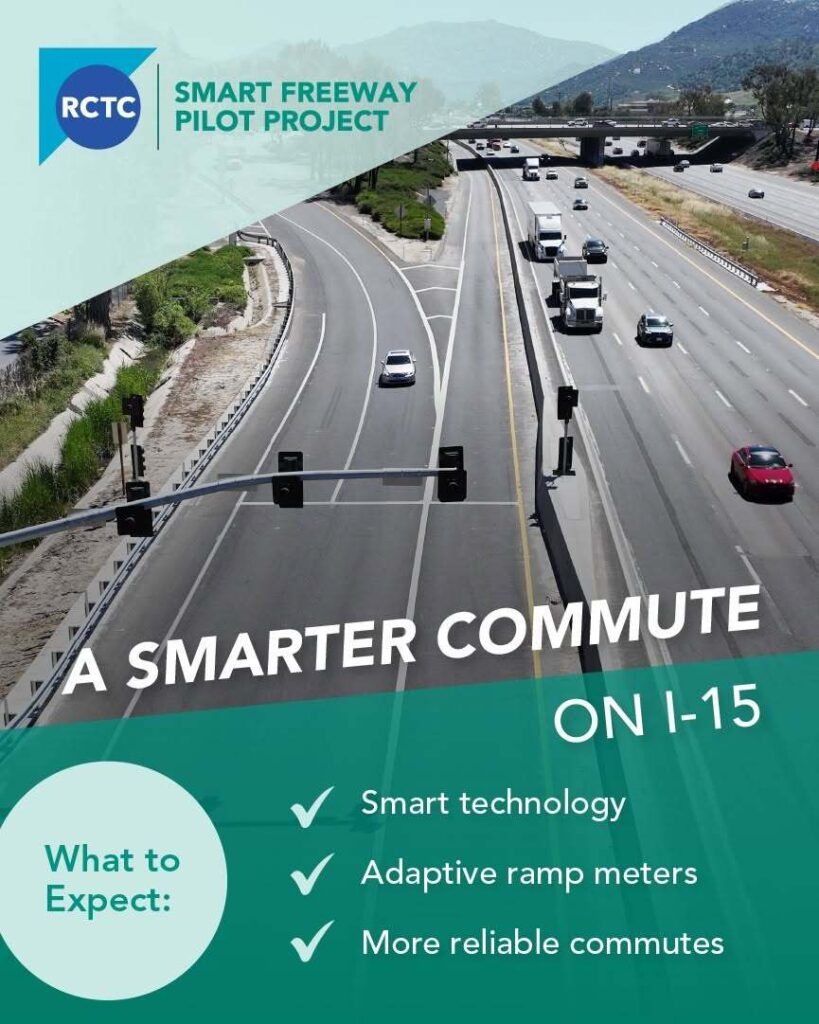
On an 8-mile stretch of Interstate I-15 northbound, between Temecula and Murrieta, transportation officials have launched what they call the state’s first ‘smart highway’. Instead of road expansion, the $33 million pilot project uses sensors, coordinated ramp meters, and computer algorithms to control how cars enter the highway.
The pilot project is scheduled for two years. If it proves successful, authorities plan to collaborate with Caltrans to expand the system to other sections of Riverside County, and eventually to other parts of California.
Four minutes of waiting at the on-ramp
At first, the drawbacks seem quite significant. Some drivers may wait at the ramps for up to four minutes before being allowed to enter. The project started on June 1st and targets one of the busiest roads in Southern California. According to SF Gate, the I-15 segment between the Riverside-San Diego county line and the I-215 interchange takes less than 10 minutes under ideal conditions, but during rush hour, drivers often spend 25 to 45 minutes stuck in traffic.
Instead of releasing cars onto the highway at fixed intervals, the ramp meters at Temecula Parkway, Rancho California Road, and Winchester Road now operate in a coordinated manner. Sensors monitor road conditions in real-time, and algorithms determine how many cars and when exactly can enter the highway. Digital signs also display the recommended speed, which is intended to smooth the flow and reduce the ‘stop-and-go’ waves that often cause major congestion.
Despite some headlines presenting this project as an AI-based traffic management system, the RCTC (Riverside County Transportation Commission) assures it is not. The agency emphasized that the system relies on pre-programmed traffic management technologies, not artificial intelligence.
“The goal is to create a stable traffic flow on the highway, and coordinated regulation of entry at the three ramps will help achieve this,” said agency spokesperson David Knudsen. “If we can control this, we can prevent the frustration of that ‘stop-and-go’ traffic that so many people experience on the highway.”
Anyone who has already encountered a similar system in Denver can confirm it is not as irritating as it might seem at first glance. At the same time, because it is just a routine part of life, it is difficult to gauge how much time it saves (or doesn’t save) at any given moment. Only quality traffic data can show the real effect. In Denver, this system reduces travel time by approximately 20 percent.
In Australia, where this technology is more widespread, drivers have observed a reduction in travel time of 35-65 percent, although this figure depends on the specific section and essentially reflects the improvement in average speed. Regardless of how you measure it — less time in traffic jams or simply a higher average speed — both mean getting home faster. And everyone likes that.
It is worth noting that similar systems have been operating in other countries for a long time, and their effectiveness has been proven. California, which is often a pioneer in technology adoption, is only now beginning to use this proven method. If the pilot project proves itself, it could mark the beginning of a large-scale change in the approach to fighting congestion across the state, potentially saving billions of dollars in building new lanes and reducing stress for millions of drivers.