


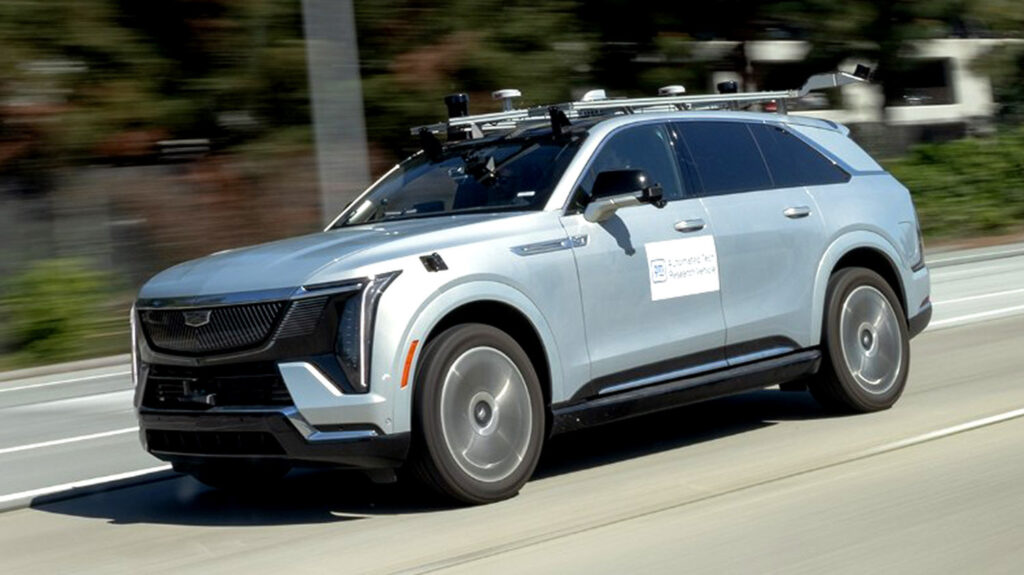
Start of road testing for the new system
The General Motors concern has begun road testing of its next-generation autonomous technology. The system, which will allow drivers not to monitor the road on highways, is set to debut in 2028 on the electric Cadillac Escalade IQ, and will later become available for other models of the brand.
Technological features and safety signals
The new system, built on the experience of Super Cruise, involves completely freeing the driver from the need to monitor the road on highways. For this purpose, the vehicle will be equipped with a whole complex of cameras, lidars, radars, and a new centralized computing architecture. A special feature will be the use of turquoise light indicators inside and outside the car, which will signal the active autonomous driving mode, alerting both the driver and other road users.
Scale and goals of testing
Testing in real-world conditions has already begun on selected routes in California and Michigan. According to GM’s plans, up to 200 prototypes will participate in the program, each controlled by a prepared test driver ready to take over at any moment.
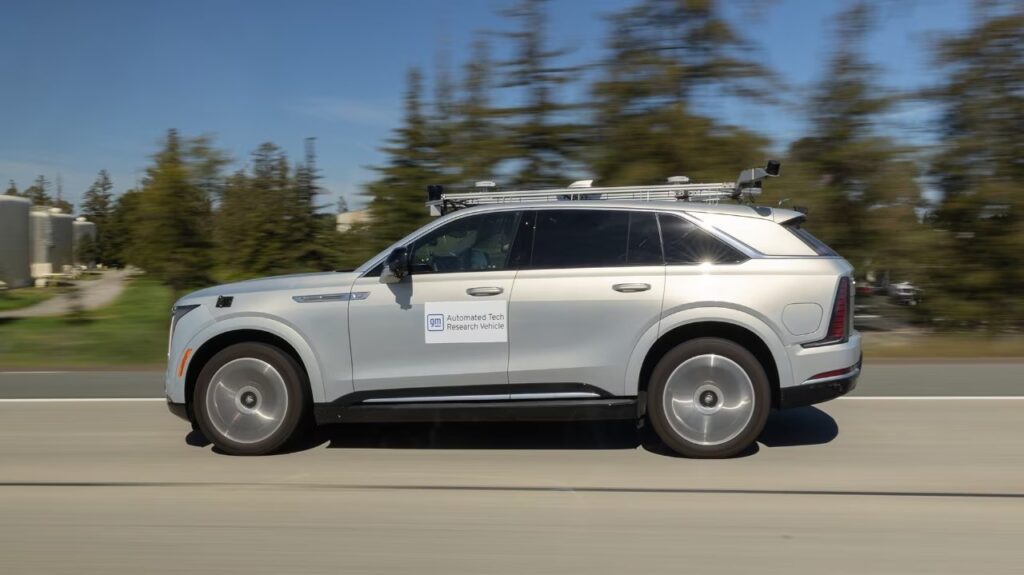

The company is confident that driver interventions will be minimal, as the system already integrates data from over 800 million miles traveled by customers with Super Cruise, as well as lessons from more than 5 million miles accumulated by the Cruise division in fully autonomous mode.
Real-world testing is crucial for creating a reliable system. The data obtained at this new stage will be directly integrated into GM’s development cycle, improving the artificial intelligence model and the overall reliability of the system.
Future availability of the technology
GM emphasizes that after its debut on the premium Cadillac, the expected autonomous driving system will become available for a wide range of vehicles—from mass-market Chevrolet models to other Cadillac representatives. This means the technology is set to become not an exclusive option, but a mass-market product of the concern.
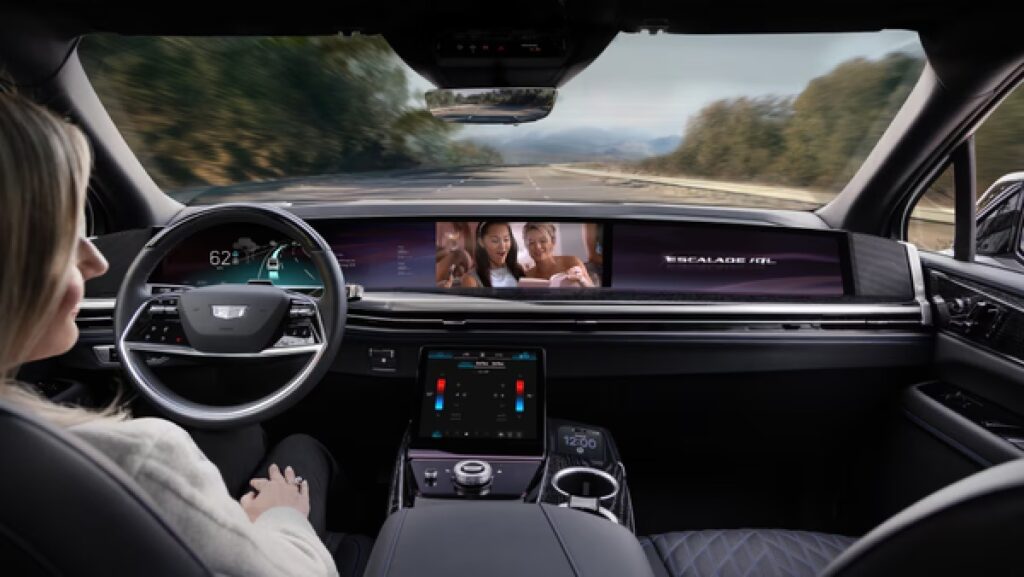

The planned launch of the safe “eyes-off” highway driving system in 2028 could become a significant step in rethinking human interaction with the automobile. The success of this initiative will largely depend on the results of the current large-scale tests and on how flawlessly the technology integrates millions of miles of virtual and real-world experience. The spread of the system across different vehicle price categories points to GM’s strategic vision aimed at democratizing high technology, which could accelerate its societal acceptance and the formation of new safety standards on the roads.