


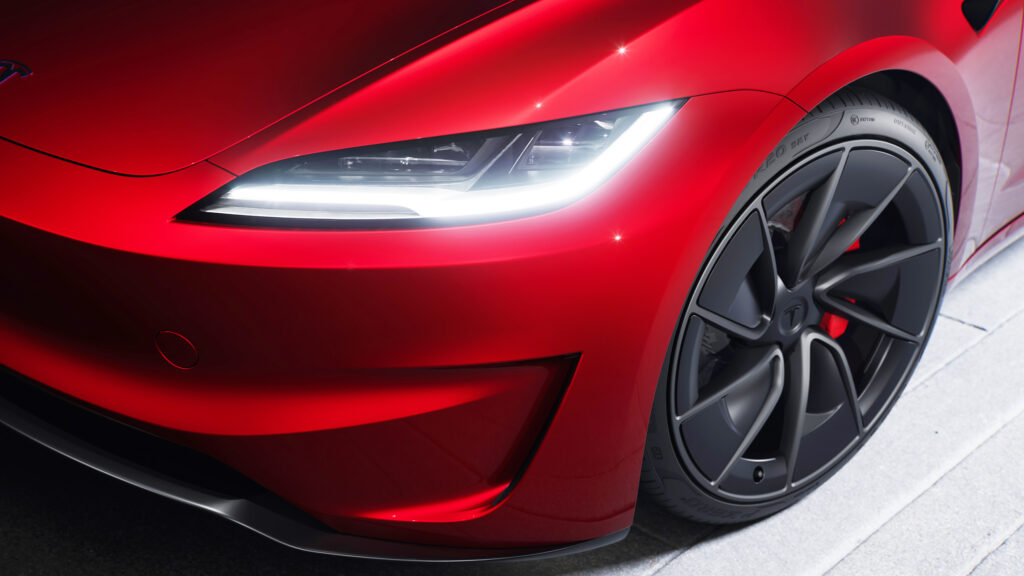
Expected Headlight Update
Tesla’s matrix headlights appear to be getting another update aimed at solving one of the issues with adaptive lighting. Specifically, the changes may concern reflective road signs, which flash too brightly in the driver’s field of vision at night.
Matrix Lighting Technology
Matrix LED headlights have become a familiar sight in the automotive industry, with Audi introducing the technology over a decade ago. Instead of a single beam of light, they use many individual elements that can selectively dim oncoming traffic when high beams are active. They can also mask the car you are following, allowing the beam to bend around it rather than blinding the driver ahead.
Tesla activated its matrix functionality via a software update in 2024.
Discovery of the New Feature
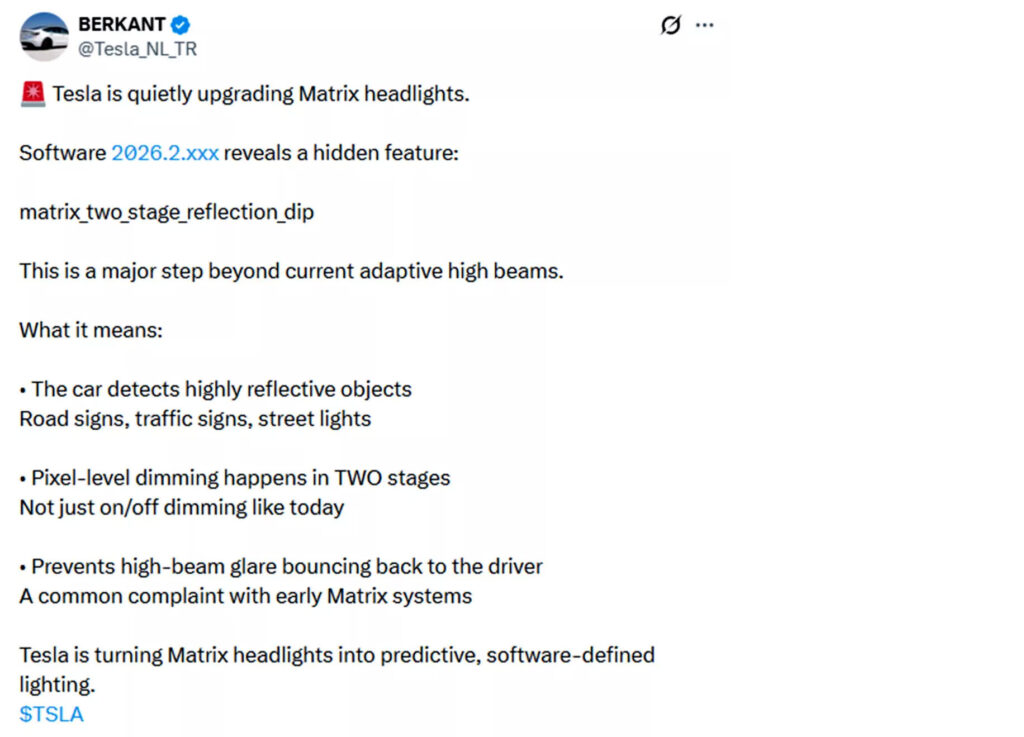
Now, a user on X has delved into the code of an upcoming release and discovered a hidden feature labeled “matrix_two_stage_reflection_dip.” The original post was subsequently deleted, which only adds to the intrigue.
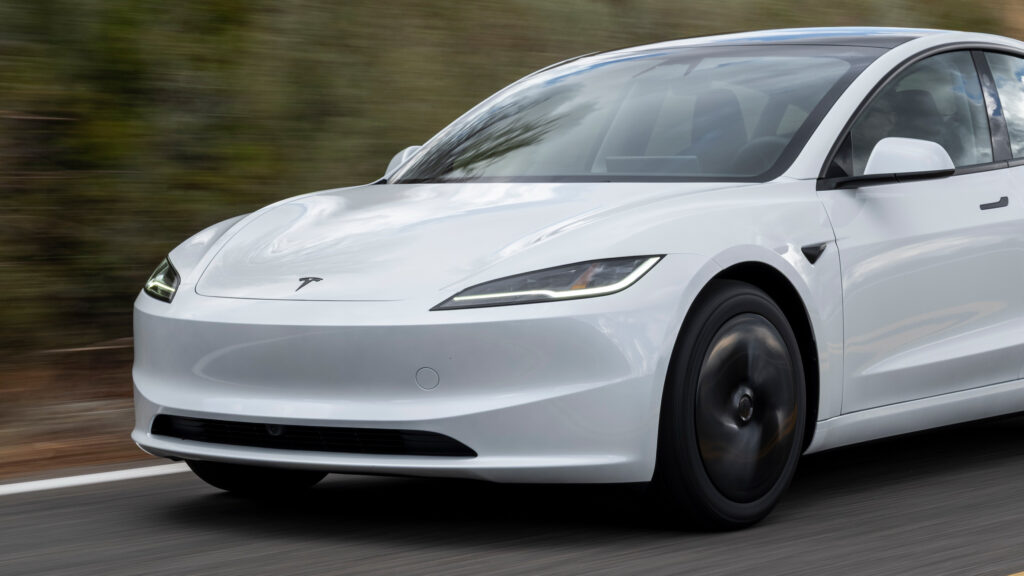

Two-Stage Dimming
Based on this description, it seems the updated matrix headlights will do more than just turn individual lighting segments on or off. They will also be able to dim them in two stages, adding more sophistication to beam control. This should matter when it comes to reflective road and traffic signs, which have a habit of flashing like a camera flash when hit by direct high-beam light.
Update Availability
There is no indication of when this update will be rolled out, but it does not appear to require any hardware changes. This means the new feature should be deployed as part of a regular over-the-air software update and will undoubtedly be appreciated by Tesla owners, especially those who do a lot of highway driving in poorly lit areas.

Regulatory Changes in the US
For many years, automakers were unable to implement advanced matrix headlight technology in the US due to outdated regulations. However, Tesla confirmed earlier this month that it will soon be able to offer its matrix LED headlights on all its models in the States.
The implementation of such software improvements highlights the advantage of modern electric cars, where functionality can be significantly enhanced even after purchase. The ability to precisely control the light beam not only increases driver comfort but can also contribute to road safety by reducing the risk of temporary blindness from bright reflections. It also demonstrates how technologies that first appear in premium segments are gradually becoming available to a wider range of consumers through manufacturers like Tesla.