 by
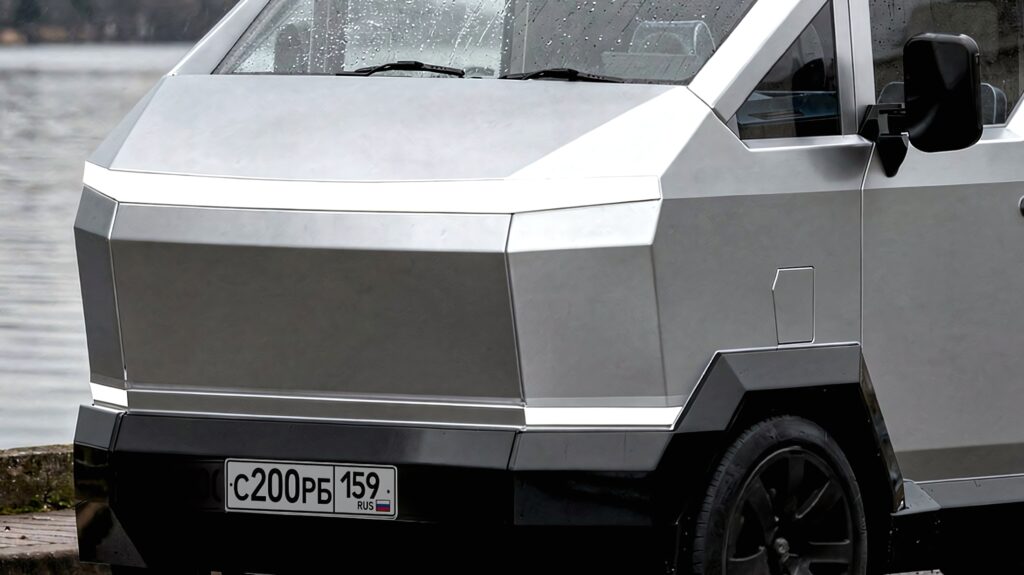
by Tesla has not yet created its “Cybervan,” but someone else has beaten them to it. A Russian startup has unveiled something that looks strikingly similar to an enlarged Cybertruck, except it’s an electric van, and yes, it’s gearing up for series production.
Meet the Russo-Balt F200
This is a stainless steel van with an unconventional style inspired by the Cybertruck. It is the first model from the revived brand, whose name traces its roots to a famous Russian manufacturer of automobiles and railway carriages that operated between 1869 and 1918. Production plans are already underway, with the first deliveries scheduled for January 2027.
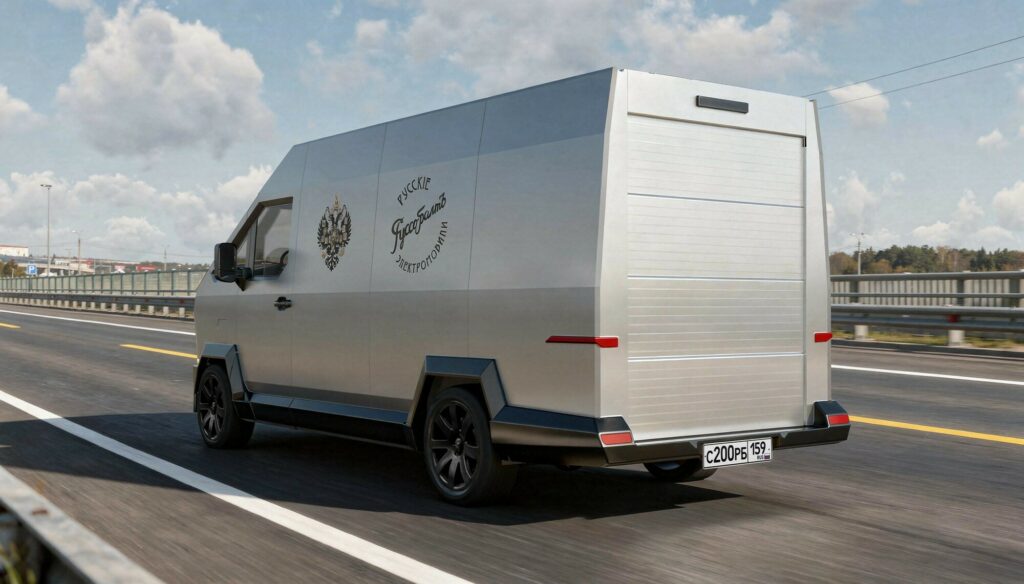
As previously reported, the F200 has already been spotted on public roads in Russia, confirming that it is more than just a picture or a paper project. Interestingly, the company even posted links to previous publications about it on its own website.
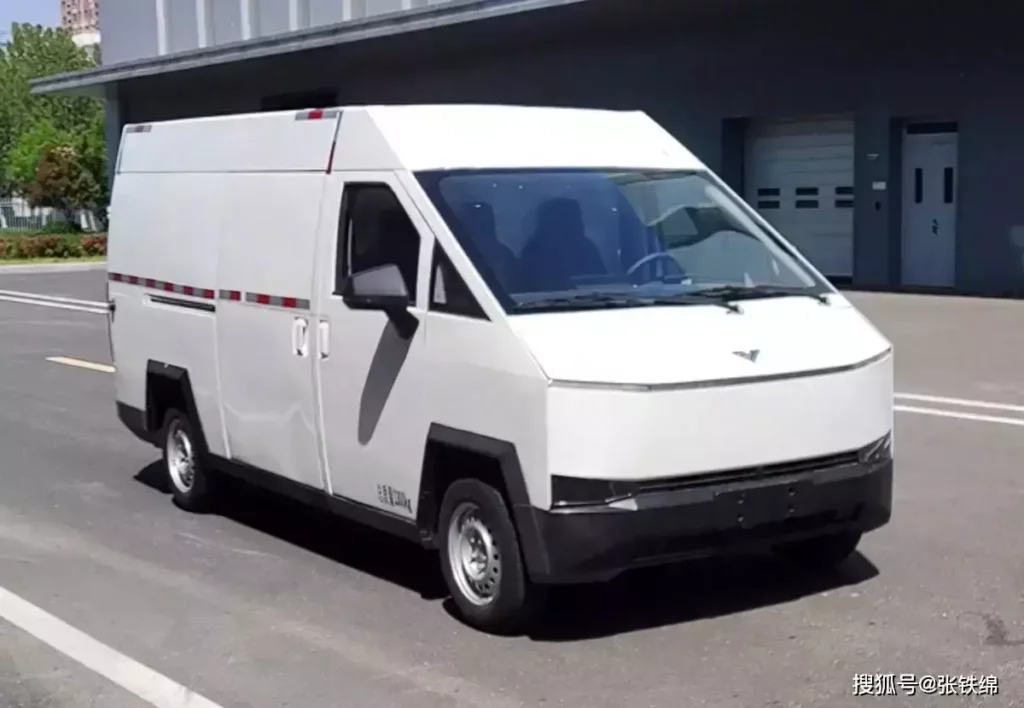
Although similarities with the Chinese Weiqiao New Energy V90 have been noted, Russo-Balt insists that the F200 is their own development, not a rebadged version.
What is this vehicle?
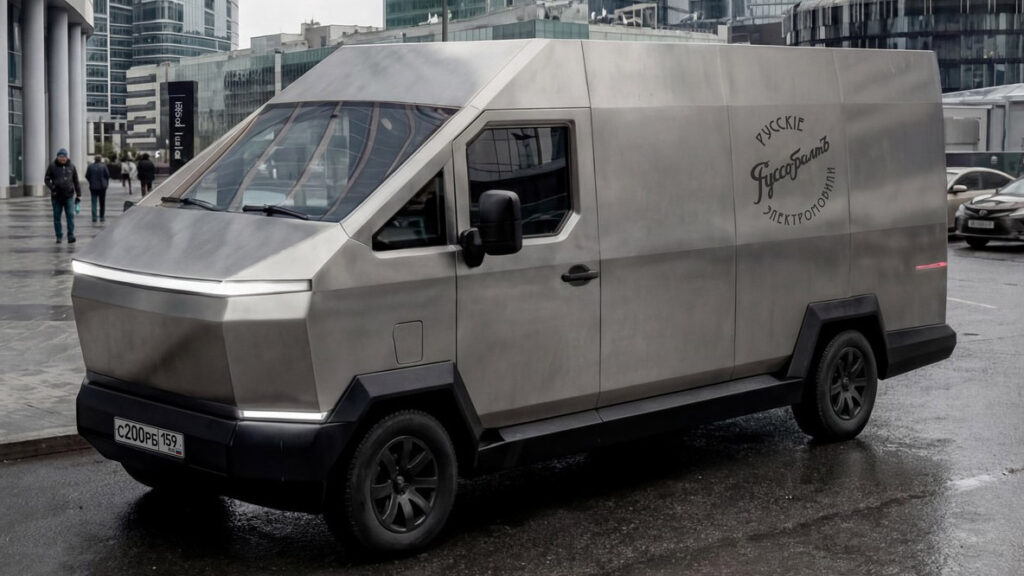
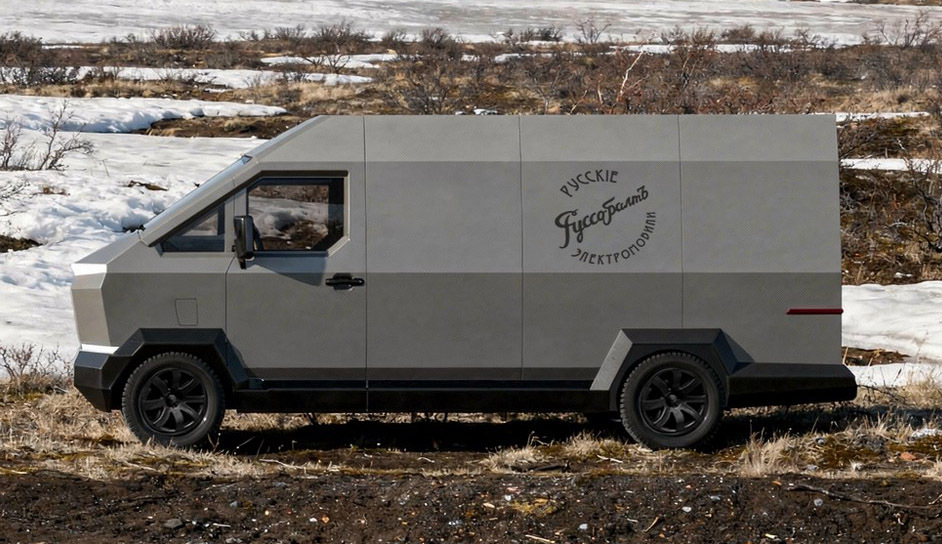
The body panels are formed from unpainted stainless steel, just like the Cybertruck, and are hand-welded. Despite the raw metal finish, buyers can personalize the exterior with optional polyurethane wraps, available in a full spectrum of colors and graphics.
From sharp creases to flat windows and squared-off wheel arches, the F200 borrows more than a few cues from the Cybertruck. Full-width LED lighting front and rear, plus a rear door design reminiscent of the styling of the Tesla electric pickup’s tailgate, complete the visual references.
While most vans of this size use a ladder frame chassis, the F200 uses a monocoque. This construction supports a payload capacity of up to 1000 kg, which seems to meet commercial expectations.
100-Year Warranty
According to the Russian startup, the vehicle meets the international L3H3 classification and measures 5950 mm in length, 2000 mm in width, and 2550 mm in height, which is enough for most people to stand upright inside.
The standard build includes a 100-year warranty on the stainless steel body, which sounds a bit excessive for a van that hasn’t yet hit the roads in full series production form.
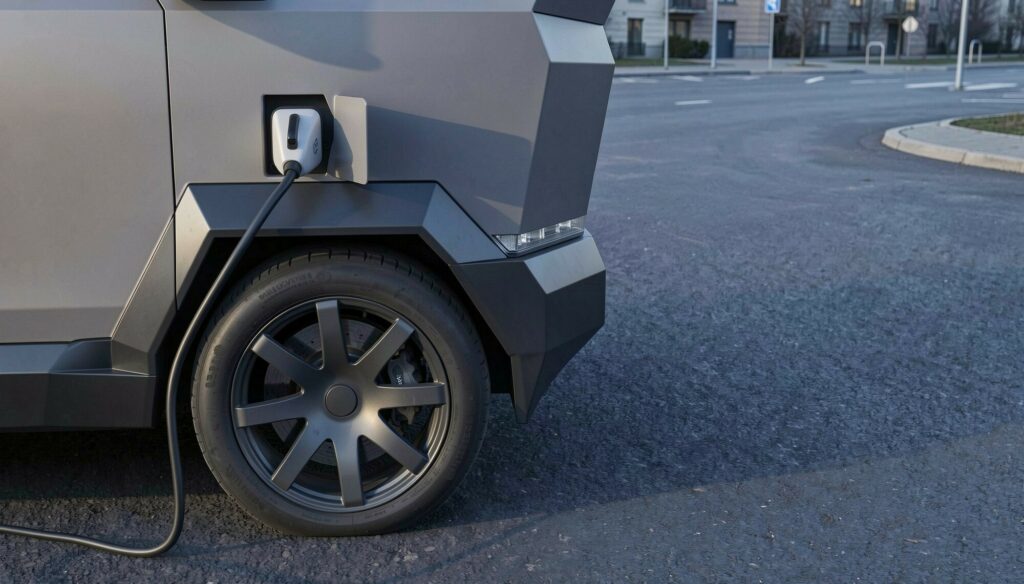
Power is provided by a single 200 hp electric motor driving the front wheels. A 115 kWh battery pack provides a claimed range of 400 kilometers, with support for DC fast charging via a port on the front fender.
How much does it cost?
The price is set at 6.5 million rubles, which is approximately $85,200 at the current exchange rate. A refundable deposit of just 10,000 rubles (about $131) secures a place in the production queue, although the total planned volume has not been disclosed.
Standard equipment includes ABS, ESP, climate control, rear air suspension, and a 360-degree camera system with live streaming capability. Practically every surface that can be heated, including seats, steering wheel, mirrors, and even the windshield wipers, has heating. This is a vehicle built for Russian winters.
The infotainment system is managed via a 14-inch touchscreen, which displays vehicle settings and offers integrated entertainment from Russian platforms such as Rutube, VKvideo, and Yandex.
More from Russo-Balt
Interestingly, the team behind the F200 has prior experience in manufacturing stainless steel water dispensers, and they plan to transfer the same material expertise into van production. Production will be made-to-order.
A second model, the F400, is already under development. It will be equipped with a supplementary internal combustion engine and all-wheel drive via two electric motors, totaling a projected 400 horsepower. It will also add front air suspension in addition to the rear air suspension already present on the F200. Pricing details have not yet been announced.
The emergence of such a project amid the international isolation of Russian industry raises questions about the actual sources of components, especially for complex elements like high-capacity battery packs. The claimed specifications and release timeline require practical confirmation, as creating a full-fledged electric vehicle from scratch, even using existing technologies, is a complex task. The success of this van will depend not only on its technical capabilities but also on the company’s ability to establish a full-fledged service network and charging infrastructure in the region for which it is reportedly being created.