


New Tesla Patent Application
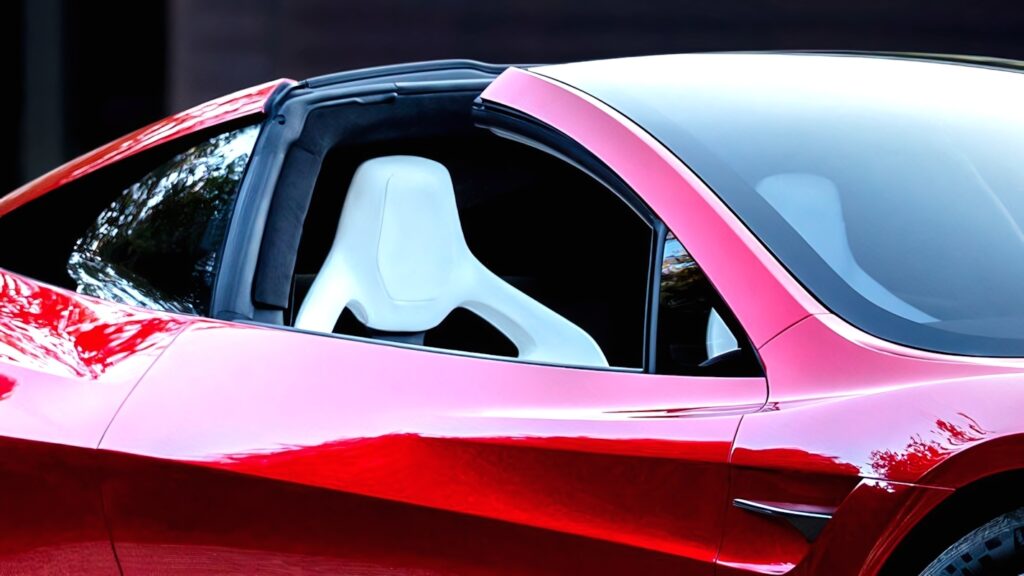
Tesla has once again surprised the automotive community by filing a new patent for a vehicle seat system with the relevant US office. This innovation could become a key update for the long-awaited new Roadster. The patent describes a radically new approach to seat construction for high-performance cars.
The main aspects of the novelty include:
Monolithic Construction Instead of Assembly
According to the document, Tesla engineers propose moving away from the classic multi-component seat construction. Instead of a set of metal brackets, padding, and hinges, they have developed a monolithic frame. This frame unites the seat base, backrest, headrest, and side bolsters into a single whole, forming one composite structure.
This approach is a radical departure from the multi-part setups of most sports cars.
The patent mentions materials such as Kevlar and nylon composites, as well as carbon fiber with nylon. This points to two main goals: a significant reduction in weight and a simultaneous increase in seat strength. Conventional seats have dozens of interconnected parts, each adding mass and creating potential failure points. The monolithic construction is intended to make the seat lighter and more durable.
Engineering for High Loads
Particular attention in the patent is paid to how these seats should behave during operation. Instead of a mechanism with metal gears for adjusting the recline, engineers proposed an integrated flexible hinge. This means the material of the structure itself bends in the necessary places.
This technology allows the frame to be flexible in some areas and rigid in others. This enables fine-tuning of the seat for optimal body support during sharp acceleration or high-speed cornering.
Movement Precision Using Actuators
The innovations are not limited to the frame. The patent also envisions abandoning conventional electric motors and slide rails. Instead, it proposes using small multi-axis actuators capable of moving the seat in various directions.
A system with six degrees of freedom is capable of moving the seat with greater precision than most luxury cars.
This level of adjustment is typically characteristic of high-end and extreme-performance car interiors. It opens up new possibilities for driver seating personalization.
Anticipation for the New Roadster
The publication of the patent comes at a very symbolic moment. Tesla enthusiasts are eagerly awaiting news about the Roadster, as Elon Musk recently announced that the design presentation of the new model will take place on April 1st.
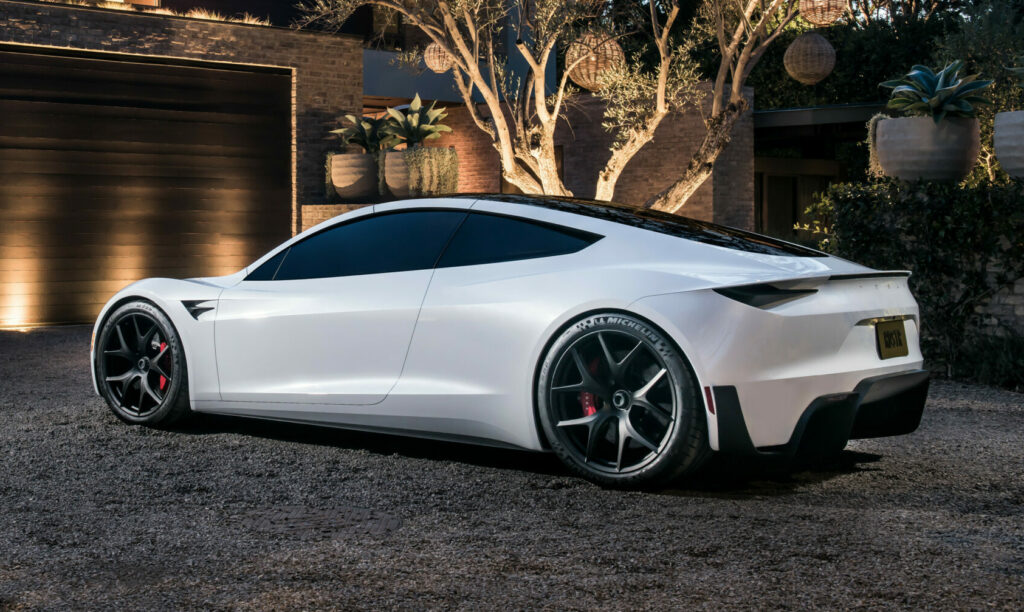

This raises great expectations for the car, which has been in development for many years. The first Roadster prototype was unveiled back in 2017, and the initial production launch date was set for 2020, but that deadline passed. However, recent trademark applications for updated Roadster emblems suggest the company may finally be preparing to fully unveil the production version.
Weight Reduction Strategy
Reducing mass has always been one of Tesla’s key engineering principles, as has the shift to large castings for structural body components. A more integrated and lightweight seat configuration fully aligns with this strategy, especially for a car claimed to have extremely high acceleration figures.
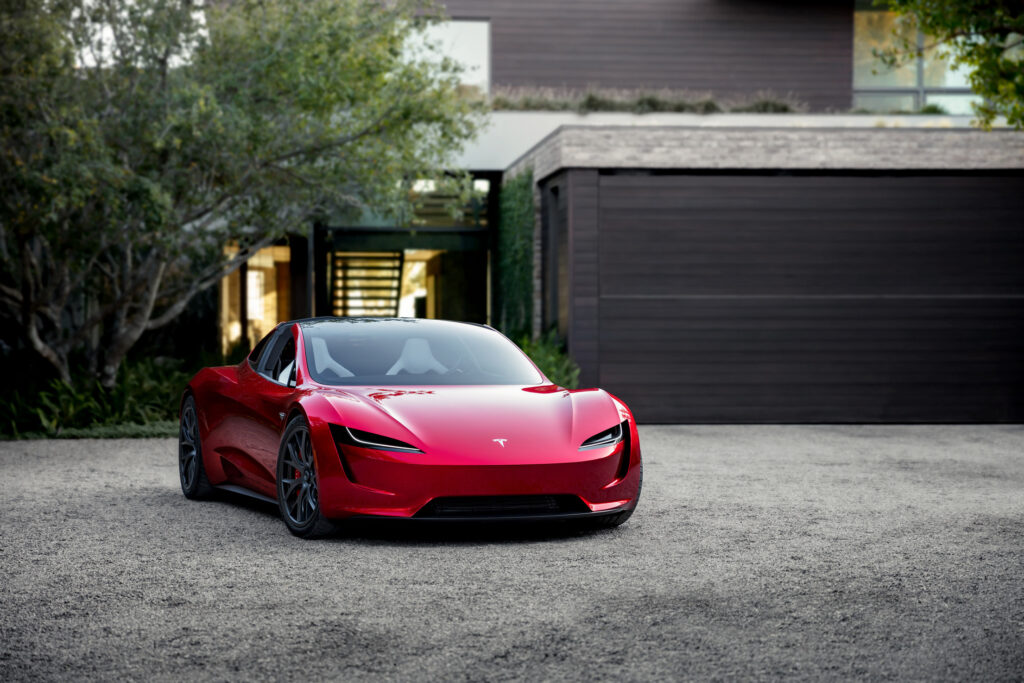

The development of a new type of seat underscores the company’s constant drive not just to improve existing technologies, but to rethink basic vehicle components from scratch. This approach often leads to a synergistic effect, where simplifying the construction simultaneously yields gains in weight, reliability, and functionality. The successful implementation of such seats in the production Roadster could set a new trend in interior design not only for electric vehicles but for sports cars in general, demonstrating that lightness and strength can go hand in hand with comfort and high technology.