


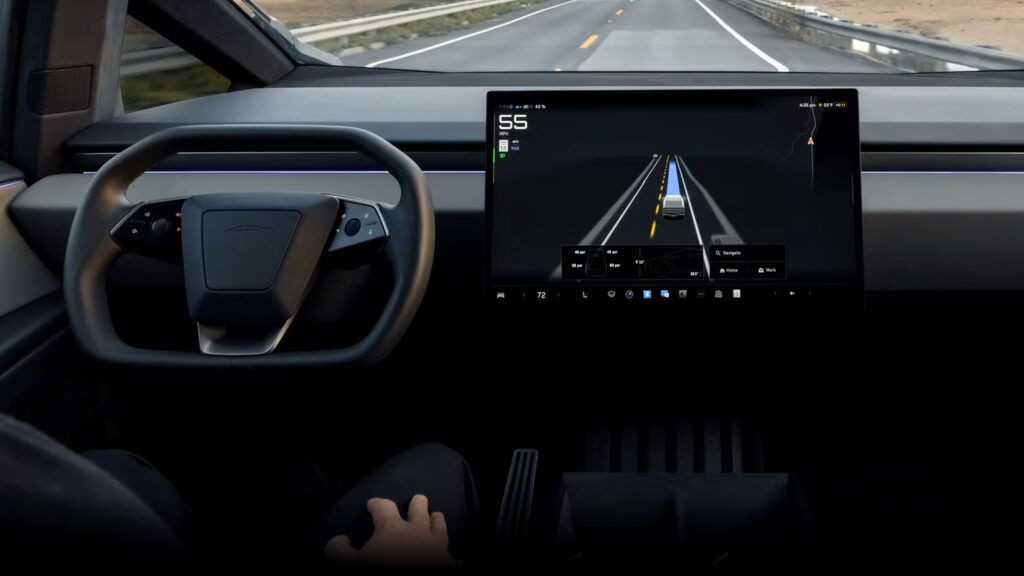
Changes in Tesla’s Driver Assistance Systems
Tesla has removed the basic version of the Autopilot system from new Model 3 and Model Y vehicles, which was previously standard. This system provided adaptive cruise control and lane-keeping assist. Now, to obtain these capabilities, including Autosteer, buyers will have to subscribe to the full FSD (Full Self-Driving) system for $99 per month.
A New Reality for Buyers
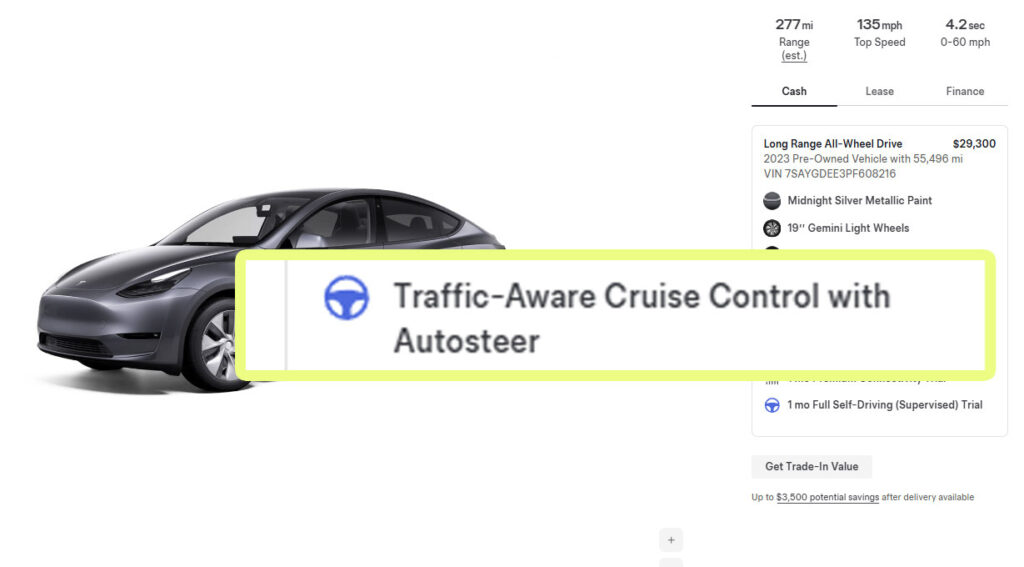
On Tesla’s website, the term “Autopilot” has been replaced with the more technical designation “Traffic-Aware Cruise Control (TACC) with Autosteer.” While adaptive cruise control remains available, the automatic lane-keeping function is now fully dependent on a paid subscription. Existing owners retain the features that were included in their cars at the time of purchase.
Subscription Transition Strategy
These changes are occurring against the backdrop of Tesla’s overall strategy to transition to a subscription model for FSD systems. Until mid-February, it is still possible to purchase this system outright for $8,000, but after that, only monthly payments will remain. By removing Autosteer from the standard package, Tesla is creating a tangible gap in functionality, which encourages buyers to consider the subscription.
Many competitors, even in the affordable car segment, still offer similar driver assistance systems as standard equipment without additional monthly fees.

Reaction and Context
The changes have sparked public discussion. Company founder Elon Musk noted that the subscription price will increase over time, especially when the system achieves full autonomy.
I should also mention that the $99/month for supervised FSD will rise as FSD’s capabilities improve. The massive value jump is when you can be on your phone or sleeping for the entire ride (unsupervised FSD).
Right-to-repair activist Louis Rossman criticized this move, interpreting it as an attempt by the company to limit customer property rights. He noted that there are initiatives aimed at informing the public and even offering rewards for those who find ways to restore features hidden behind paywalls.
Pressure on the Company and the Future
This strategic move comes at a time when Tesla is facing a series of challenges: a two-year sales decline, shrinking profit margins, loss of access to key government subsidies in the US, as well as regulatory pressure. Furthermore, consumer dissatisfaction with subscription models for features previously considered part of the product is growing. The final verdict on this policy will be delivered by the buyers themselves, voting with their wallets for or against the brand.
These changes could become a significant milestone not only for Tesla but for the entire automotive industry, which is increasingly experimenting with software-as-a-service models. Drivers are more frequently encountering situations where their car’s capabilities depend not on a one-time purchase but on ongoing payments. This raises questions about the long-term cost of ownership and the true meaning of “ownership” of modern technological products. The success or failure of Tesla’s strategy will show how ready the market is to accept such a model in the long term.