


The Essence of the Conflict Between Tesla and Regulators
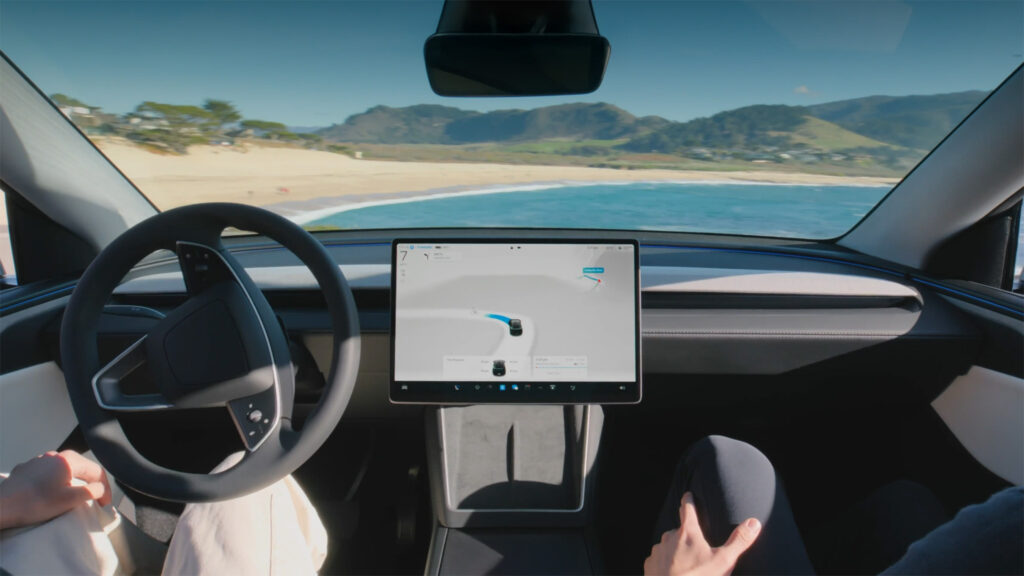
Regulators and automakers have been disputing autonomy claims for many years, and California has become one of the key battlegrounds. Last year, the California Department of Motor Vehicles accused Tesla of false advertising. In the regulators’ view, names like ‘Autopilot’ and ‘Full Self-Driving’ created an impression of a level of autonomy that the cars did not actually possess. The agency even threatened to revoke Tesla’s license to sell cars in the state.
Earlier this month, the DMV confirmed that the manufacturer had done enough to avoid this ban. However, it turns out the story doesn’t end there. Now Tesla is suing the agency, seeking to completely overturn the initial ruling.
Tesla’s Position and Further Actions
Tesla formally complied with the requirements. The company not only removed the ‘Autopilot’ name but also completely stopped offering this feature in the US and Canada, and added the word ‘Supervised’ to the ‘Full Self-Driving’ name. However, interestingly, when the DMV ruled on February 17th that Tesla could continue sales, the company had already filed a lawsuit, as reported by CNBC.
The automaker’s lawsuit, dated February 13th, claims that regulators ‘unlawfully and without basis’ labeled Tesla a ‘false advertiser’ due to the previous use of the terms ‘Autopilot’ and ‘Full Self-Driving’.
From Tesla’s perspective, changing the names of its features does not solve the larger problem. The company wants to completely overturn the false advertising ruling. Leaving such a finding in force could create long-term legal and regulatory risks, as well as undermine trust in Tesla at a time when it is making a major bet on autonomy.

Timing and Context of the Lawsuit
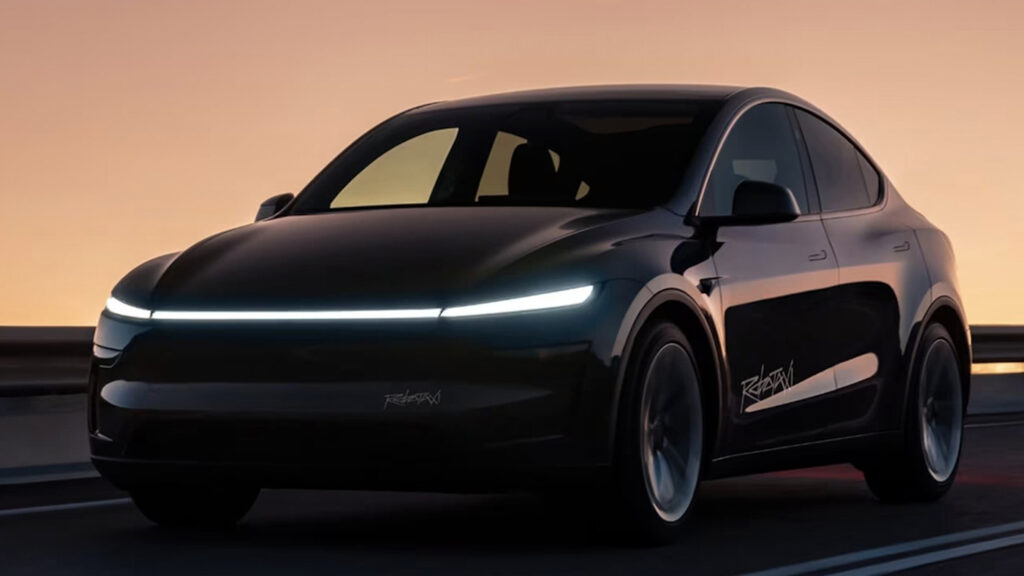
Timing matters here. Tesla’s electric vehicle sales fell last year, and the brand is increasingly positioning autonomy as its next growth engine. CEO Elon Musk has for years promised that over-the-air updates would eventually turn customers’ cars into robotaxi-ready vehicles.
This, obviously, has not yet happened. Meanwhile, a class-action lawsuit in California from owners who claim they paid for Full Self-Driving expecting true full self-driving capabilities in the future continues to be litigated.
The Bet on Robotaxis and the Question of Trust
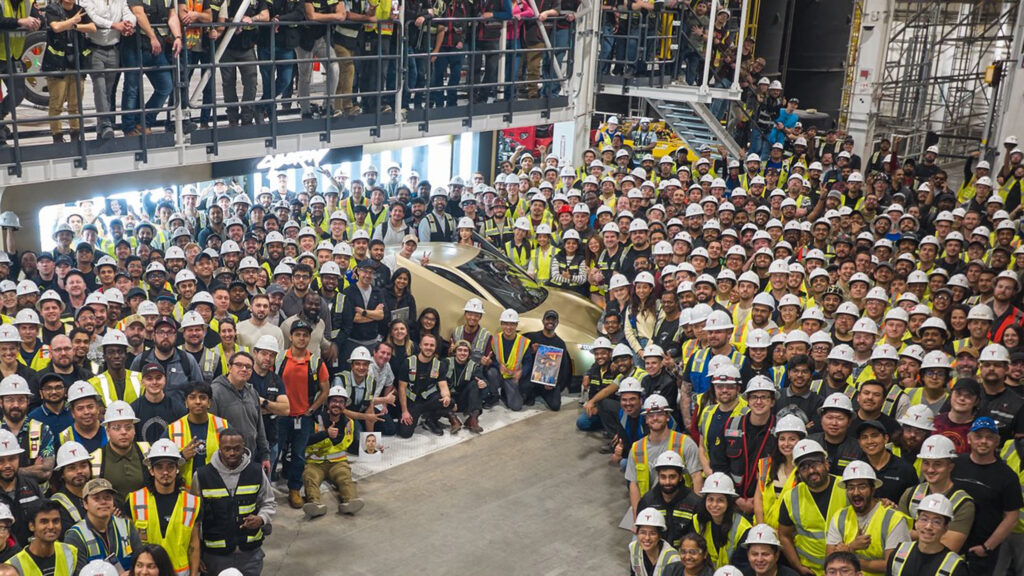
All of this unfolds against the backdrop of Tesla attempting to deploy fully autonomous robotaxis on public roads. The company launched a limited pilot project in Austin, Texas, and recently began production of a specially designed Cybercab. However, broader deployment remains minimal compared to earlier forecasts.

Removing the ‘false advertiser’ label in California is not just a matter of semantics. It is a matter of trust from regulators, customers, and the public. And it will matter greatly as Tesla tries to convince everyone that driverless cars are really about to become a reality… this time.
This lawsuit points to a deeper issue in the tech industry: the gap between marketing promises and current technological feasibility. While companies strive to capture the public and investor imagination with ambitious claims, regulators are increasingly focused on protecting consumers from potentially misled expectations. The outcome of this case could set an important precedent for how far tech giants can go in naming and describing features that still require human supervision. Tesla’s success or failure in this matter could influence not only its business model but also how other makers of autonomous systems frame their marketing messages in the future.