


Testing Xiaomi SU7 Instead of Tesla
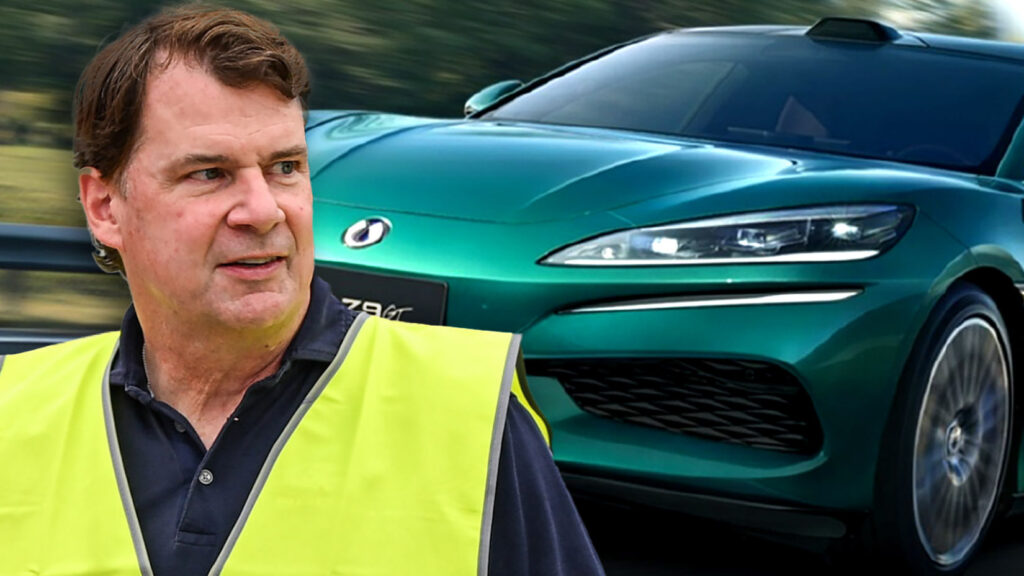
In 2024, Ford CEO Jim Farley drew attention when he openly tested the Xiaomi SU7 electric sedan in the USA, instead of using a US-made Tesla car for comparison. He expressed his impressions very positively, noting that he did not want to return the test car because it was “fantastic.”
Explanation for Choosing a Chinese Electric Car
Later, in an interview for a podcast, Farley explained the reasons for his choice. He noted that his decision was not a criticism of Tesla as such, but at that time, Tesla did not have an updated model that could be considered a relevant sample for analysis. In his opinion, the leader in the business in terms of cost, competition, supply chains, manufacturing expertise, and intellectual property in vehicles was the Chinese company BYD.
Context of the Remarks About Tesla
Some interpreted Farley’s remark about Tesla’s lack of an updated car as criticism of Elon Musk’s brand. However, according to Farley himself, he might not have mentioned Tesla at all if the interviewer’s question had not been phrased in a certain way. In fact, his comments demonstrate great respect for Chinese automakers and an understanding of their influence on the future development of electric cars at Ford and worldwide.
Ford’s Strategic Focus on Affordability
Farley believes that for the success of the next phase of the electric vehicle market, Ford must understand the companies that are currently building the cheapest, most efficient, and fastest-improving electric cars in the world. Currently, Ford believes that this company is BYD, not Tesla. This is explained by the shift in Tesla’s focus over the last decade: Musk’s company is increasingly focused on autonomy, artificial intelligence, robotics, and software revenue, rather than on regular model updates.
The next cycle of EV customers in the US… wants pickups and utility vehicles of various body types, but they want it for $30,000, not $50,000
This is precisely why Ford is not trying to create a competitor to the robotaxi fleet but aims to build affordable pickups and SUVs that ordinary buyers can afford.
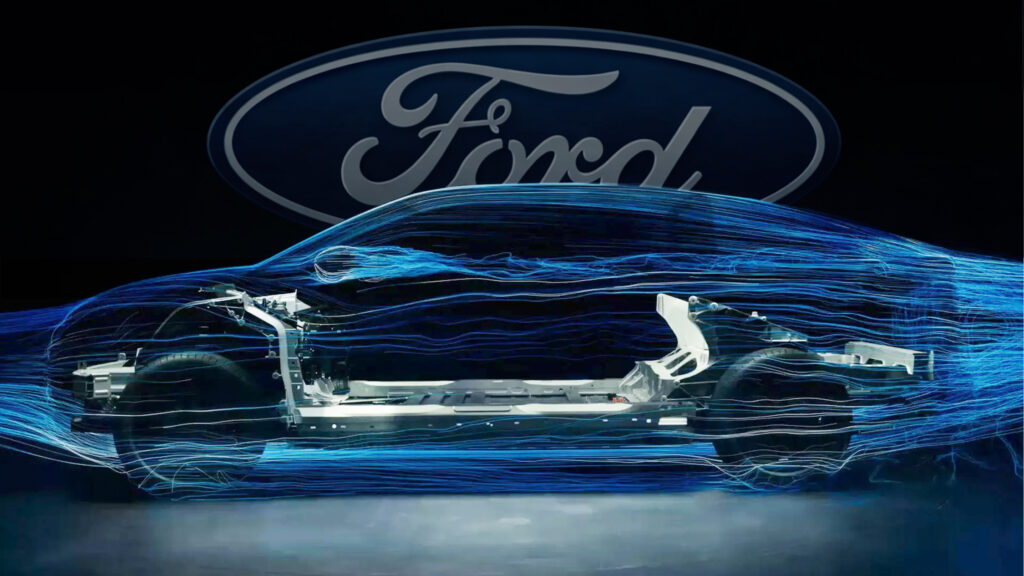

This situation clearly illustrates the dynamics of the global automotive market, where traditional American manufacturers are forced to respond not only to challenges from a known competitor like Tesla but also to the rapid rise of new players, especially from China. Ford’s approach, aimed at studying and adapting to the methodologies of cost leaders, could become key to ensuring a mass transition to electric vehicles, as the issue of price remains one of the most important for the vast majority of consumers. The shift of Tesla’s focus to high-tech spheres opens up space for other companies in the segment of affordable “workhorses,” creating a new competitive arena.