


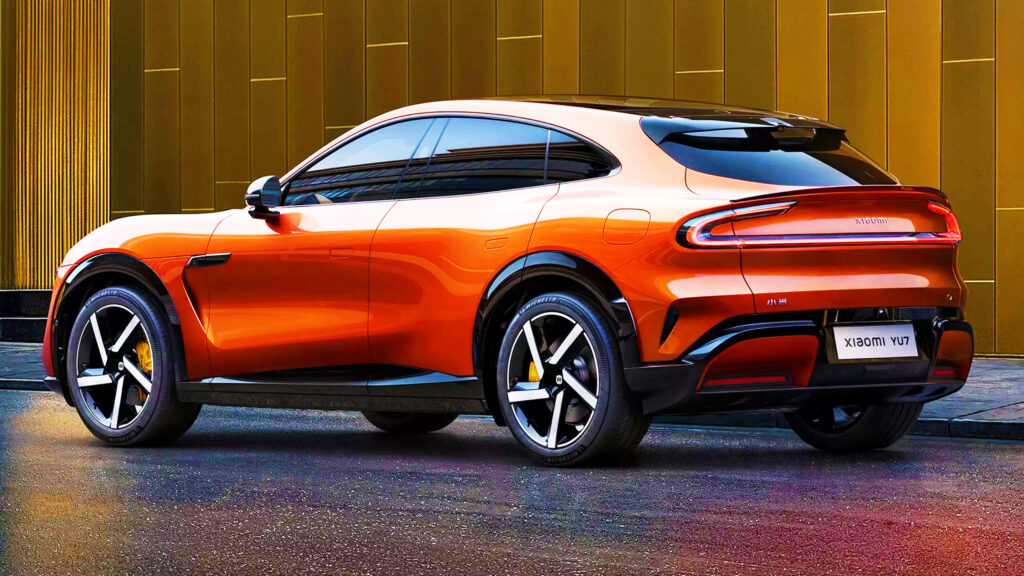
January became a test for the Chinese auto market, exposing the weaknesses of some brands while simultaneously highlighting rare successes. Many domestic manufacturers reported a drop in sales, and among them was BYD. However, even under such conditions, certain models demonstrated impressive momentum. The most striking example was the Xiaomi YU7.
The Undisputed Leader of the Month
The fully electric SUV, positioned as a competitor to the Tesla Model Y and bearing a stylistic resemblance to the Ferrari Purosangue, became the best-selling new car in China last month. According to Autohome, 37,869 units were sold, significantly higher than the Geely Boyue L in second place with 34,176 sales.
The Chinese tech giant sold 37,869 units of the YU7 in the first month of the year.
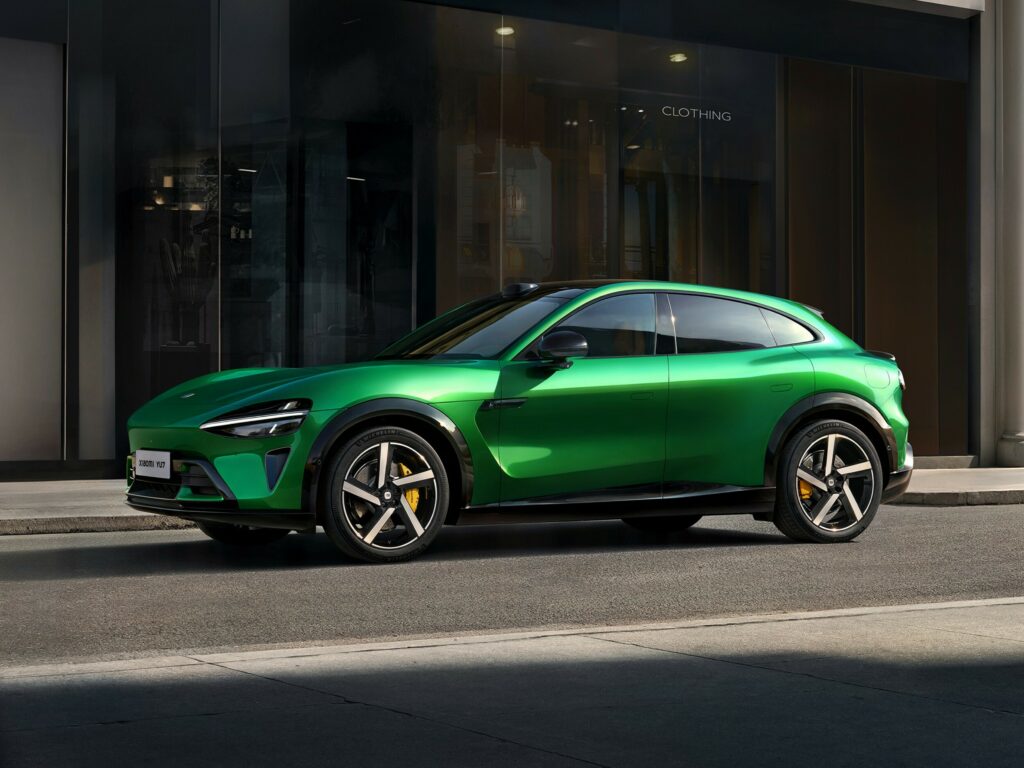

YU7 sales have remained high over the past months. In December, 39,089 units were sold, making it the third most popular new car at the time. This result also sharply contrasts with the sales of the Tesla Model Y, which last month ranked only 20th with 16,845 cars sold. For comparison, in December, the Model Y was the sales leader in China.
Strong Positions of Geely and Others
The presence of two Geely models in the top five bestsellers reflects a successful month for the group, whose sales grew by 1% compared to last year. The Aito M7 model, backed by Huawei and Seres, also gained popularity sharply.
Geely placed two strong sellers in the national top-5 chart.
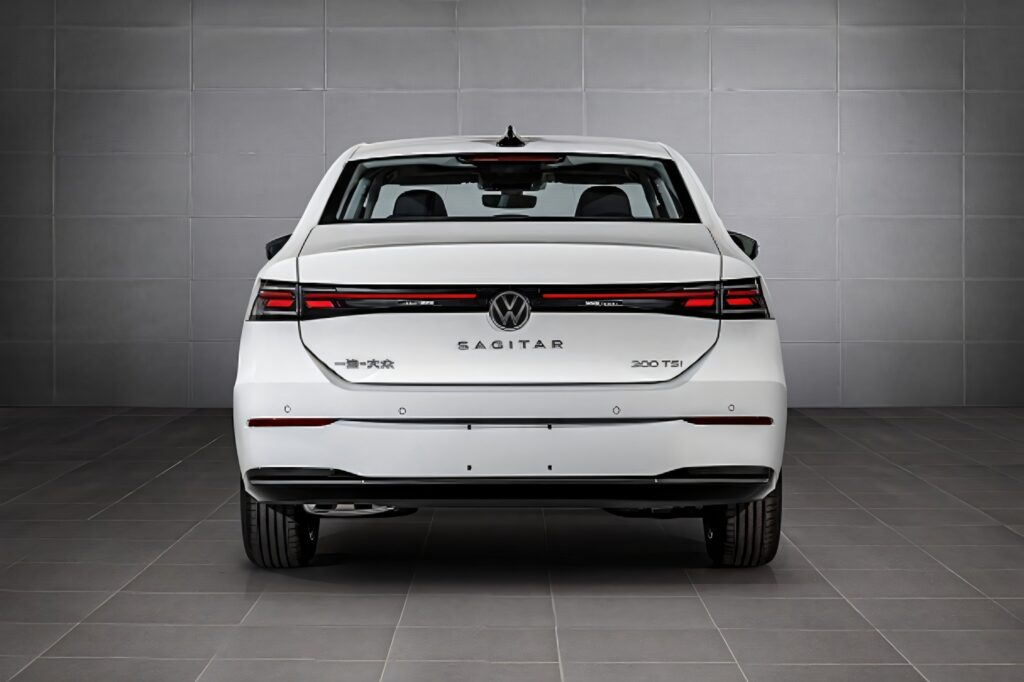
Volkswagen’s results were among the biggest surprises. The brand ranked fifth in the top 20 best-selling cars in China, led by the Sagitar model with 25,316 units sold.
VW fielded several top sellers despite the overall market slowdown.

The situation for BYD looked less optimistic. The company sold 205,518 vehicles in China last month, significantly less compared to 300,538 in January 2025. Only one of its models made it into the top 20.
New Car Sales Ranking in China for January 2026
Here is the complete list of the 20 best-selling models:
This data clearly shows how the dynamics of the Chinese market are shifting in favor of new players like Xiaomi, who are capable of not only competing with but also dominating such established names as Tesla. The success of the YU7 is likely based not only on aggressive pricing but also on a strong technological platform and marketing that appeals to local consumers. At the same time, the resilience of brands like Volkswagen proves that traditional manufacturers still have reserves to fight for market share, even in conditions of general decline. The future will show whether Xiaomi can maintain such a high pace, but their start can already be considered historic.