 by
by Tesla’s Cybercab Trademark Application Suspended
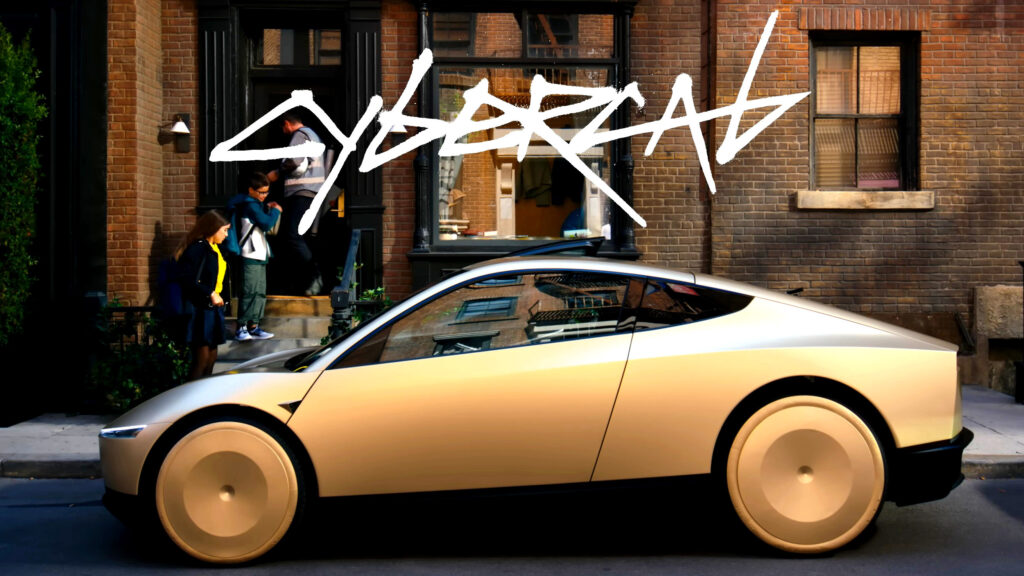
The renowned automaker Tesla has once again encountered an obstacle on its path to autonomy. While problems usually lie in software or hardware, this time the issue is somewhat simpler but critically important—the rights to the Cybercab trademark.
New documents from the United States Patent and Trademark Office indicate that Tesla does not own the rights to this name. The company will now likely have to either pay or change the name.
Patent Office Decision
The USPTO recently suspended Tesla’s attempt to register the Cybercab trademark. A notice dated November 14, 2025, halts Tesla’s application due to two unresolved issues.

First, the office confirmed the likelihood of confusion with an existing registration. However, most importantly, the application is blocked by another, earlier-filed one.
Who Got Ahead?
It was the French alcohol company Unibev. It filed an application for the Cybercab trademark on October 28, 2024, just 18 days after Tesla unveiled its Cybercab. The problem for the automaker is that they only applied for legal protection in November.
Tesla’s application will remain frozen until the earlier application is either registered or abandoned.
Thus, instead of registering the name before the launch, Tesla waited, and Unibev managed to do it first.
A History of Rivalry Continues
This situation adds insult to injury, as Unibev already has a history with Tesla. The company owns several “Teslaquila” trademarks—a name Tesla once tried to use for its branded tequila.
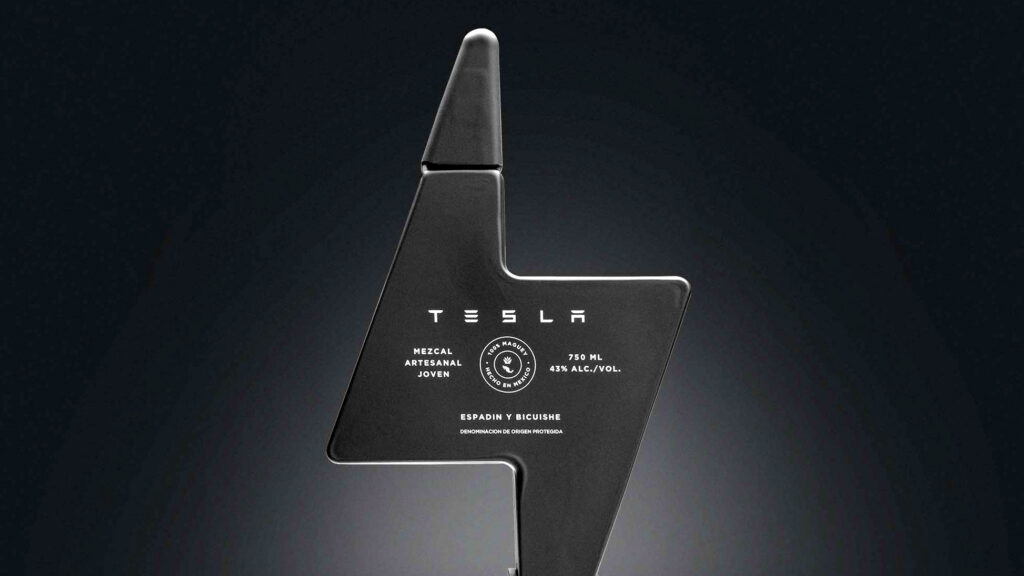
This in itself suggests that Unibev is well aware of Tesla’s branding habits and knows how to profit from them. At this stage, Tesla has already tried but failed to prove that it should receive priority for this name.
Possible Solutions
Tesla will now have to take one of two steps. First, it can negotiate with Unibev for the rights to the name. This will likely be an expensive deal, considering Tesla has already spent significant funds on Cybercab branding, and Unibev knows it.
According to some reports, negotiations are already underway. Second, the company could abandon the Cybercab name, write off all funds already spent on it as a loss, and conduct a rebranding.

Of course, there is also the possibility that the Cybercab will never be commercially launched. In that case, this entire situation loses its relevance. This case vividly demonstrates how crucial timely legal protection of intellectual property is in modern business, especially for innovative companies that often announce products well in advance. It also shows how third-party companies can leverage such practices for their own benefit, creating additional challenges and financial costs for manufacturers.