


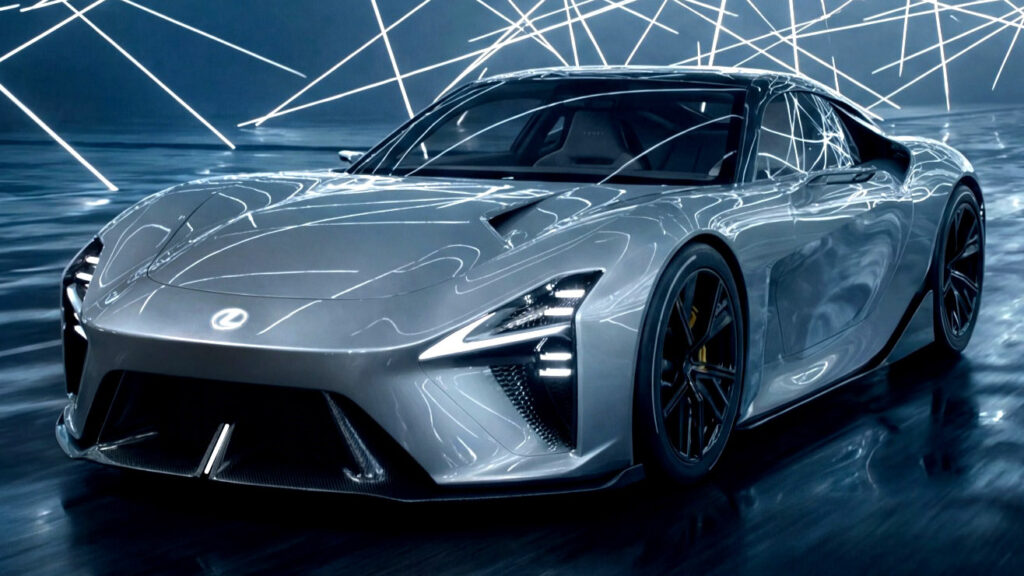
Toyota has introduced three flagship models designed to compete with brands like Ferrari and Bentley. Among them is Toyota’s first car with a V8 engine and an aluminum chassis called the GR GT, as well as the electric successor to the legendary Lexus LFA.
Ambitions of the New Generation
Since the creation of the Toyota GR division, the company has hinted at ambitions far greater than just creating hot hatches. After years of concepts, patent applications, and model line expansion, the brand’s highest achievements in high performance have finally been presented. They are also joined by an ultra-luxury contender from the recently revived Century brand.
Toyota’s goal is to clearly position these models alongside the best cars from Bentley, Porsche, and Ferrari. This is not just about filling the catalog, but serious claims on the market.
A new report from Nikkei Asia confirms Toyota’s intentions, revealing how seriously the brand is set on establishing both the GR GT and the Lexus LFA in the world of high-tech, high-performance engineering.


A New Level of Performance
Simon Humphries, Toyota’s chief brand officer, called the new models “the pinnacle of sports cars for Lexus and GR.” This is entirely true, considering their unique designs.
The GR GT uses the brand’s first-ever fully aluminum chassis and a hybrid V8 engine not found in any other model in the lineup. On the other hand, the Lexus LFA is a dramatic continuation of the original. It abandons any internal combustion engine in favor of a fully electric powertrain. It is expected to go on sale closer to 2028 or later.
The internal combustion engine GR GT is already planned for launch in 2027, and its price will clearly correspond to the supercar segment. Its racing version, the GR GT3, will likely appear shortly thereafter.


Expanding Boundaries
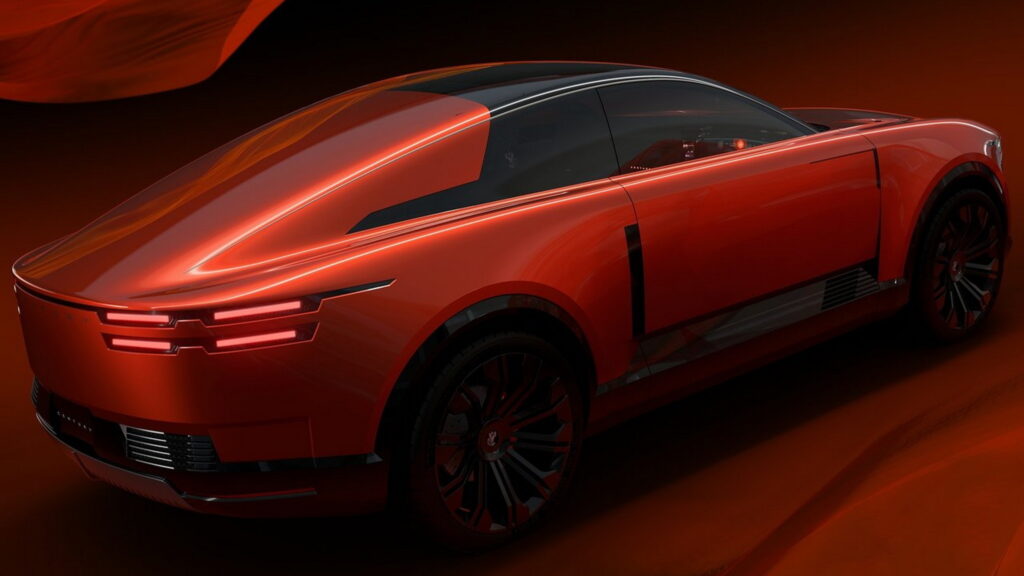
Toyota is not content with merely entering the supercar segment. This year, the company also began advancing in two new directions for itself. First, it is repositioning its ultra-luxury Century brand to compete more effectively with players like Rolls-Royce and Bentley. A high-end coupe, inheriting some DNA from the GR GT or LFA, is expected to appear in the coming years.
According to Nikkei Asia, official prices have not yet been confirmed, but all three models are expected to fall into the same ultra-luxury range as the original Lexus LFA, which cost about $375,000 at the start of sales in 2011.

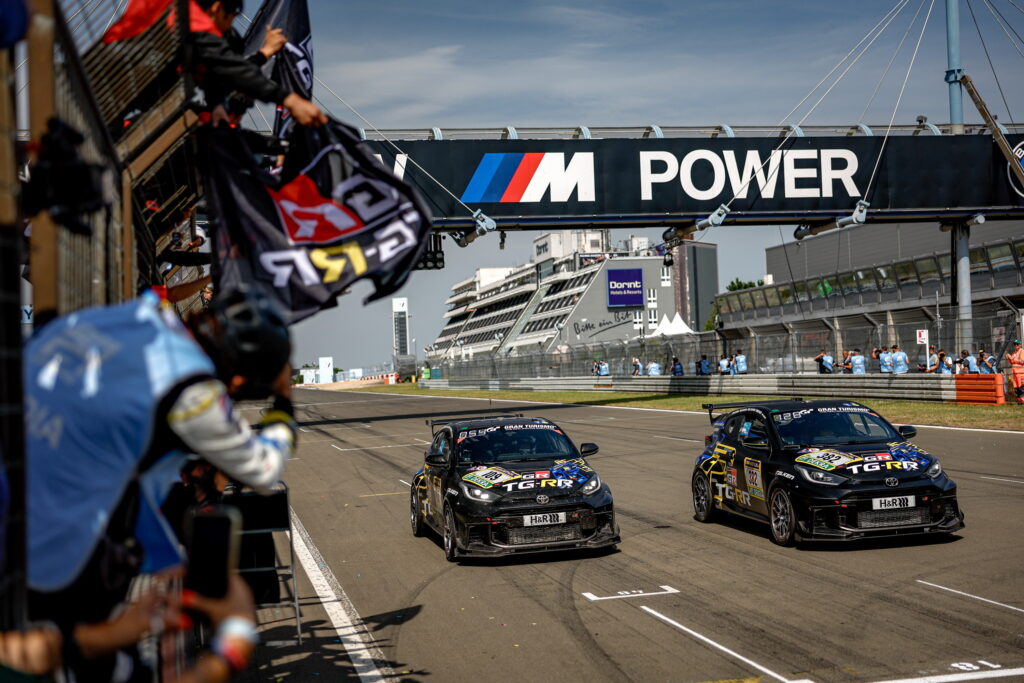
Furthermore, Toyota took its fiery compact GR Yaris to the 24-hour endurance race at the Nürburgring and won its class. Undoubtedly, cars like the GR GT, GR GT3, and Lexus LFA will have to prove they drive as well as they look, but all signs point to a positive outcome.
Leadership Philosophy
Why did Toyota decide to expand its boundaries while already being a leader in many other segments? Chairman Akio Toyoda directly answered this during a press conference in Japan.
“If we do not focus on the unique characteristics of our brands, cars as industrial products will become increasingly uniform,” he noted.

In a sea of brands and cars that are starting to all resemble each other, this is a clear statement that Toyota wants nothing to do with such a future. This step can be seen as a strategic investment in the emotional component of the brand, which remains key in segments where buyers are driven not only by practicality but also by passion, status, and technological allure. The success of these models could radically change the perception of Toyota and Lexus in the global market, transforming them from reliable mass-market suppliers into full-fledged creators of automotive dreams.