


A New Development Phase
Last week in Portugal, a camouflaged Toyota GR rally car was spotted, reigniting talks about Celica’s return to the World Rally Championship. Simultaneously in Japan, Toyota conducted a demonstration run of its mid-engined GR Yaris M concept. It is reported that a person involved with the project “did not deny” the Celica rumors. It is clear that the Gazoo Racing division is preparing something serious for both public roads and special stages.
Concept and Prototypes
The GR Yaris M concept was first unveiled in January 2025. It is equipped with a centrally located 2.0-liter turbocharged engine and all-wheel drive. After some development delays, the program has regained momentum. Many consider this concept a precursor to a future production mid-engined sports car — this could be a revived GR MR2 roadster or a GR Celica coupe.
At the opening of the All Japan Rally in Mikawa Bay, Toyota showed another GR Yaris M prototype. It was piloted by Morizo and Takamoto Katsuta, and the use of a smaller 1.6-liter turbo engine indicates it was an earlier test platform, not a finished sample.

Compared to the black hatchback competing in Japan’s Super Taikyu series, the white GR Yaris M looked more adapted for rally than for circuit racing. It had smaller alloy wheels with gravel settings, temporary side air intakes, and a new roof scoop. The absence of the wheel arch extensions, vented hood, and huge rear wing from the early version suggests this was indeed a test mule.
Will the Celica Be Mid-Engined?
According to the Japanese publication Best Car, a direct participant in the project was asked about the car’s identity. He did not provide specific details but reportedly “did not deny that the test car is not a Celica.” This carefully worded answer only fueled speculation.
Toyota has already confirmed that Celica will return to the production lineup under the Gazoo Racing emblem. The company has also acknowledged working on a mid-engined sports car, widely believed to be the revival of the long-awaited MR2.
All previous generations of Celica had a front-engine layout, but Best Car suggests the next generation could switch to a mid-engine configuration. Toyota has not confirmed anything yet, leaving the final configuration open. If and when the GR Celica appears, the most likely candidate under the hood remains the new 2.0-liter turbocharged engine.
A New Contender in the WRC World
Premières images de la Toyota WRC27 en essais au Portugal #WRC
Photos : Marcio Pereira
The latest chapter in the Celica story revolves around a Toyota rally car bearing the GR brand, being prepared for the 2027 WRC season. It appeared in Portugal during testing on real rally stages and did not resemble the GR Yaris. The silhouette of a two-door coupe is distinctly different from the familiar hatchback shape, hinting that Toyota may be preparing to bring back the Celica name for its next WRC contender.
It is said that the new rally car is based on the GR Yaris Rally2 chassis, meaning the engine remains at the front. In accordance with WRC regulations, it will use a 1.6-liter turbo engine sending power to all four wheels via a standard five-speed gearbox. It is also known to have a spaceframe, utilizing existing Rally2 components for control and brake systems.
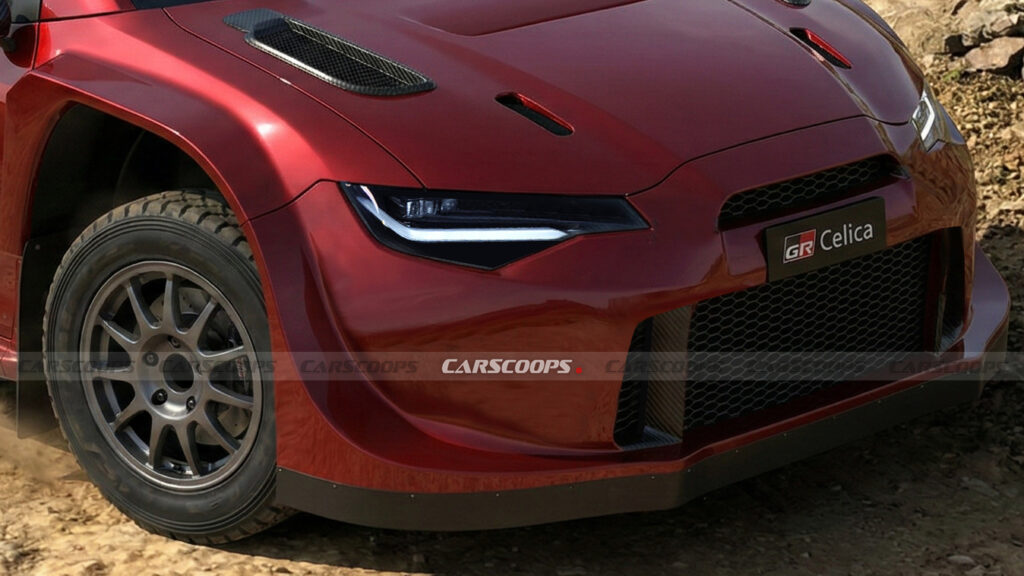
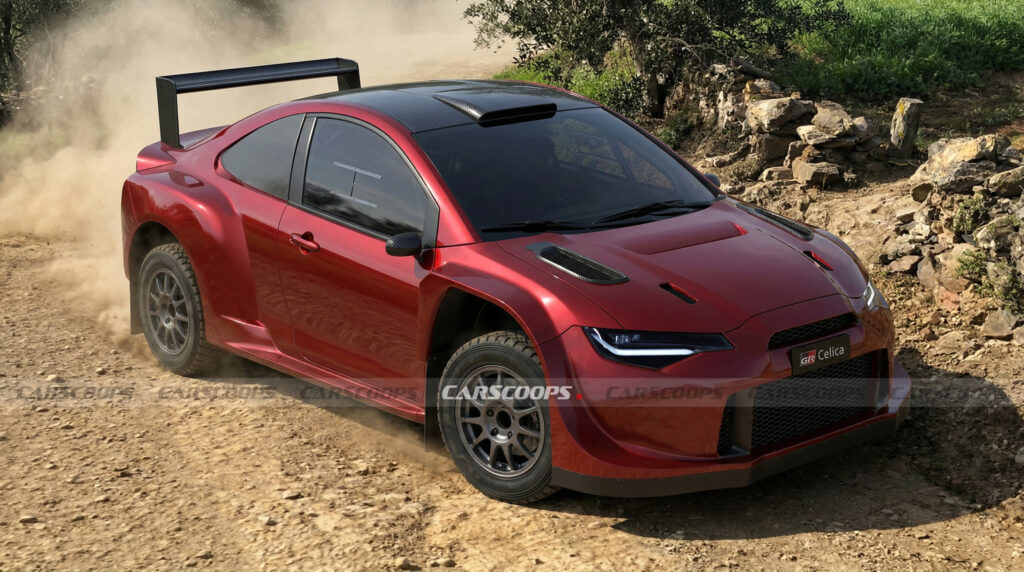
Based on available spy shots, speculative renderings have been created of what a rally-prepared GR Celica version might look like. However, the final production version will almost certainly evolve from this early test car. Its final proportions may also change depending on where Toyota ultimately decides to place the engine.
The development of a new sports car, especially considering the possible return of an iconic name, is always accompanied by intense testing and numerous assumptions. The fact that Toyota is simultaneously demonstrating prototypes with different engine layouts and testing a rally version indicates a comprehensive approach to creating the next generation of sports models. The success of such projects often depends not only on technical specifications but also on a successful balance between modern technology and brand heritage, making each new development phase extremely important for fans and the industry as a whole.