


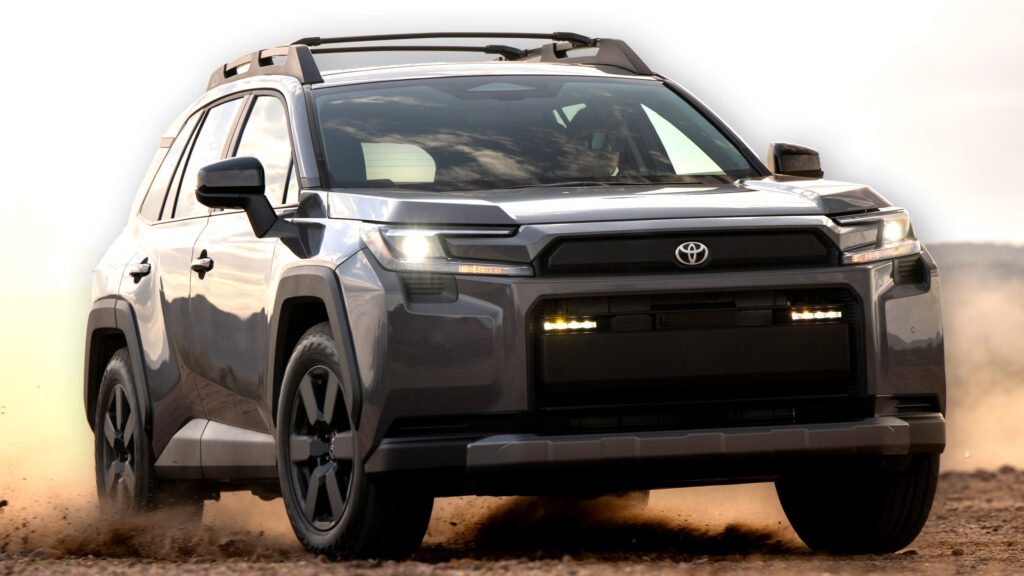
Launch of the New Toyota RAV4 and Dealer Strategy
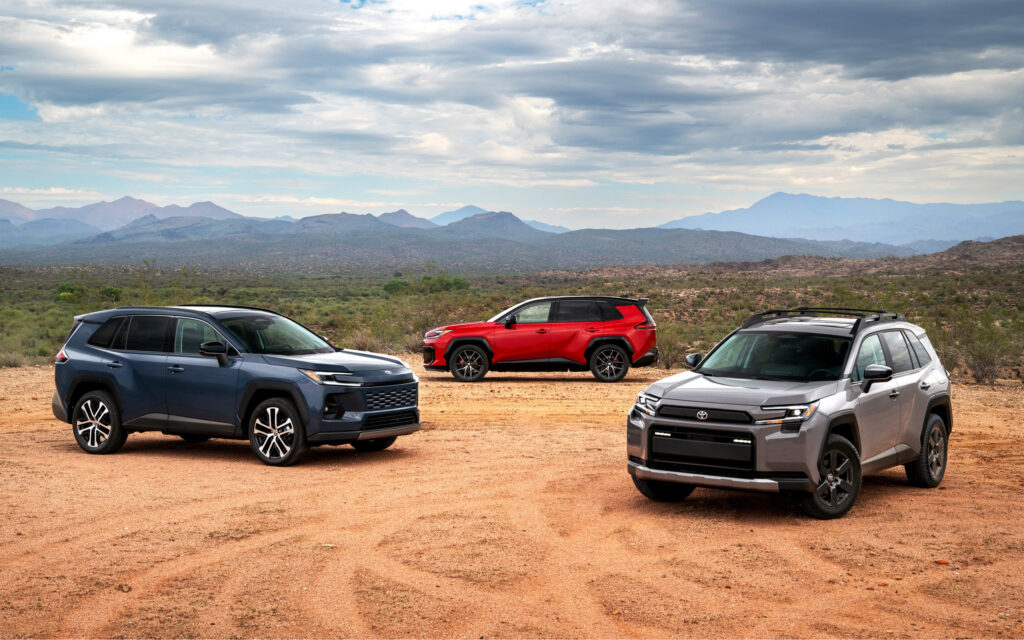
With the arrival of the next generation of the popular RAV4 crossover, Toyota dealers in the U.S. may start more actively offering customers models that are selling slower. Among them are the Crown sedan and wagon, the bZ series electric models, and the new compact C-HR+ crossover.
Although the 2026 model year is already beginning to arrive at dealerships, its availability will remain limited in the coming months due to the production ramp-up and logistics process. Some dealers who have already received the first batches are setting significant markups, causing dissatisfaction among potential customers.
Temporary Shortage and Demand Redistribution
Toyota’s Vice President in North America, Dave Christ, confirmed a temporary reduction in supply, noting that the company expects a “small volume decline” during the transition to the new model. However, Toyota hopes to compensate for this decline through sales of other brand vehicles.

Right now, most of our inventory is pickups, so we can do that today, and we are trying to do that. But as for vehicles with low inventory, that will be more determined as the year unfolds than anything we can really count on right now.
Data shows that Toyota and Lexus have maintained the industry’s lowest monthly inventory levels for two consecutive years. Due to the current RAV4 shortage, management sees an opportunity to redirect demand to other similarly sized models. This could help fill the gap until RAV4 production stabilizes.
Price Increase Plans and Tariff Impact
Those planning to buy a new car this year may want to do it sooner. Toyota’s sales in North America are expected to dip slightly, largely due to rising prices.

According to Andrew Gilleland, Senior Vice President of Automotive Operations at Toyota Motor North America, the company expects to implement three price increases on its models throughout the year, compared to the usual two. The brand does not plan to set the tone in pricing policy but will try to follow competitors’ actions, avoiding leadership on this issue.
We’re not going to pass that [tariff cost] on to consumers. I don’t think that’s possible, and so it’s this game of chicken. How long are we going to play this game and absorb tariffs for the consumer? It’s tough.
Gilleland also noted that the average new car price approaching $50,000 “doesn’t let him sleep at night,” and that Toyota is unable to fully pass on the costs associated with Trump-era tariffs to buyers.
The new car market situation continues to be challenging for buyers. The limited availability of the most popular models, such as the RAV4, combined with announced price increases creates additional pressure. The dealer strategy of redirecting customers to less in-demand models is a logical step to support overall sales volumes, but it may also indicate deeper problems in supply chains and production capacity. The future will show whether the company can find a balance between profitability and the affordability of its cars for the general public in conditions of economic uncertainty and trade restrictions.