 by
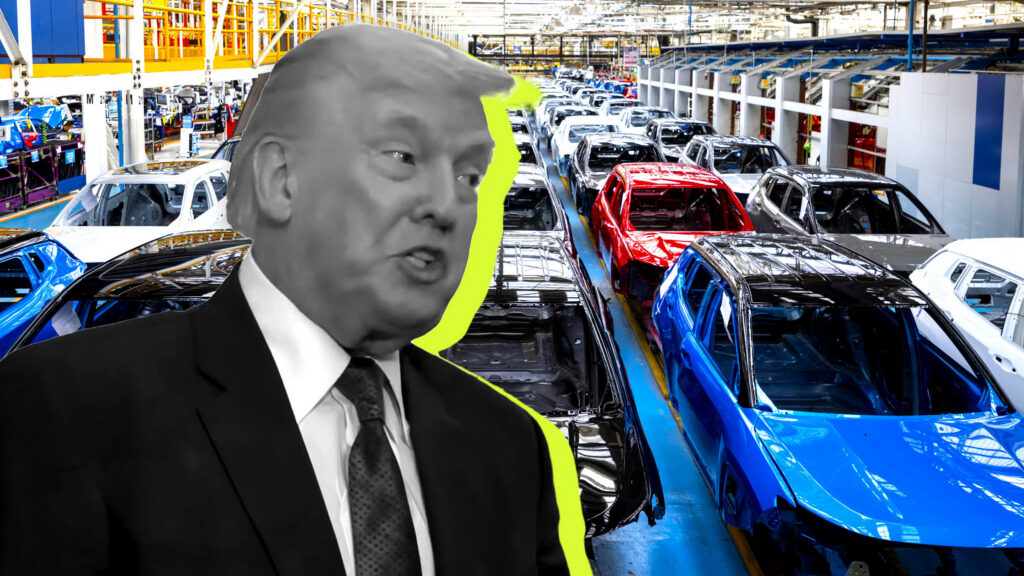
by Following the implementation of presidential tariffs, predictions of a sharp increase in car prices were very common. However, according to new research, the actual picture turned out to be much more complex. Prices did rise for some models, but far from all.
Impact of Tariffs on Different Markets
A detailed analysis at the vehicle identification number (VIN) level, conducted by CatalystIQ, examined millions of advertised prices from late 2025 to early February. The results show that cars assembled in Canada, Japan, Germany, and Mexico experienced the sharpest increase in recommended prices over the past seven months.
Canadian-made models led this growth with a price jump of almost 10 percent. On average, this amounts to nearly $4,000 more expensive since October for vehicles assembled in Canada. Japanese models became more expensive by approximately $3,300, German cars by slightly more than $2,800, and Mexican-assembled vehicles by more than $1,500.
Stability of Korean and American Cars
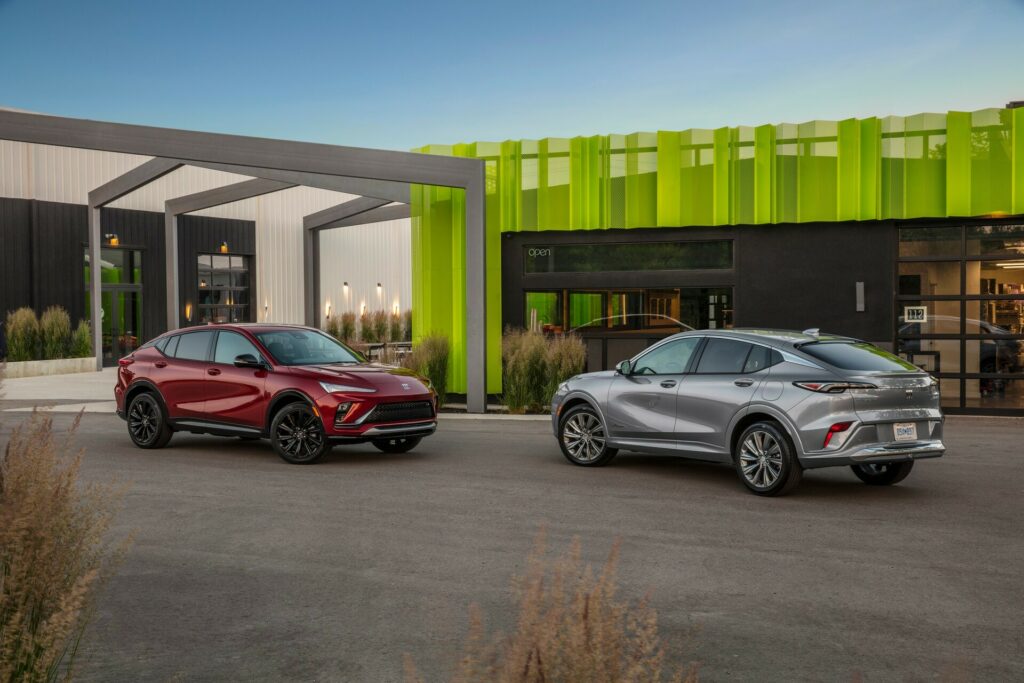
However, cars assembled in South Korea actually experienced a slight decrease in recommended prices, and, as expected, American-made models avoided such rapid growth. In other words, not all cars received the same price increase at the point of purchase.
“At the very beginning, there were forecasts that prices would rise by $5,000 or $8,000 or something like that as a result, and that didn’t happen,” noted Rick Wainschel, Vice President of Analytics at CatalystIQ, pointing out that many automakers initially took a wait-and-see position.
Part of this ‘focus’ lies in the timing. Some automakers remained largely silent when the tariffs were first introduced, fearing to attract unwanted attention. Instead, many seem to have incorporated the higher costs into the model year updates. According to CatalystIQ, this year’s update was on average about $1,200 more aggressive in pricing than last year’s.
Model Updates and Market Shift
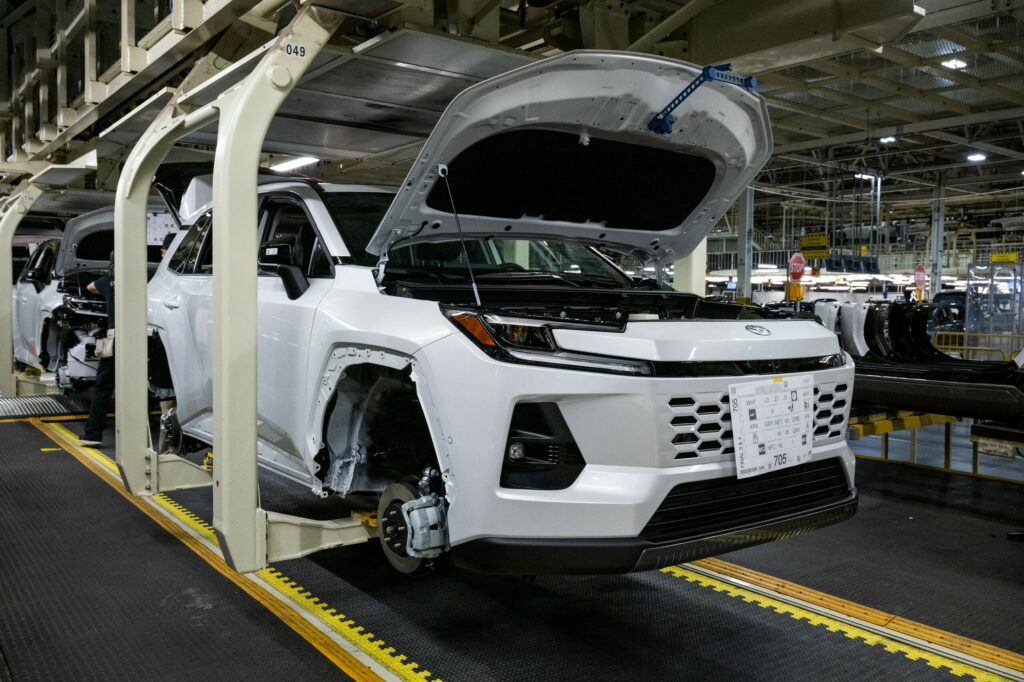
In some cases, cautious buyers may at least feel they are getting something in return for the higher bill. For example, the Canadian-assembled Toyota RAV4 switched to a fully hybrid lineup for 2026, raising its starting price and skewing part of the data. This move increased the RAV4’s base price to $33,350 for 2026 from $31,250 for 2025 models, including delivery. Nevertheless, the broader trend holds. Prices for imported cars from allied countries are rising faster than for domestic and South Korean models.
This change is beginning to affect market share. American-made cars are expected to account for over 55 percent of sales this month, which is 4 percentage points higher than a year ago. The affected automakers are absorbing much of the blow from the tariffs, which has squeezed their profit margin, but, as one Toyota executive explained, they may not be able to hold on for long.

Financial Pressure on Manufacturers
A recent analysis by the Federal Reserve Bank of Chicago, citing Bain & Co., shows how costly this strategy has been. Automakers’ EBIT margin fell from 8.1 percent in mid-2024 to 3.9 percent during the first three quarters of 2025, as companies shielded buyers from the full impact of the tariffs. Over the same period, federal tariff collections surged, reaching nearly $125 billion since October 1.

This data suggests that the consequences of trade policy can be highly uneven and unpredictable. While a general sharp price increase was initially expected, manufacturers found ways to soften the blow by redistributing costs or making model changes. However, the prolonged financial burden on companies calls into question the long-term sustainability of such approaches. The growing market share of American cars may not only be a result of price competitiveness but also evidence of changes in the supply and production strategies of auto giants in response to new economic realities.