


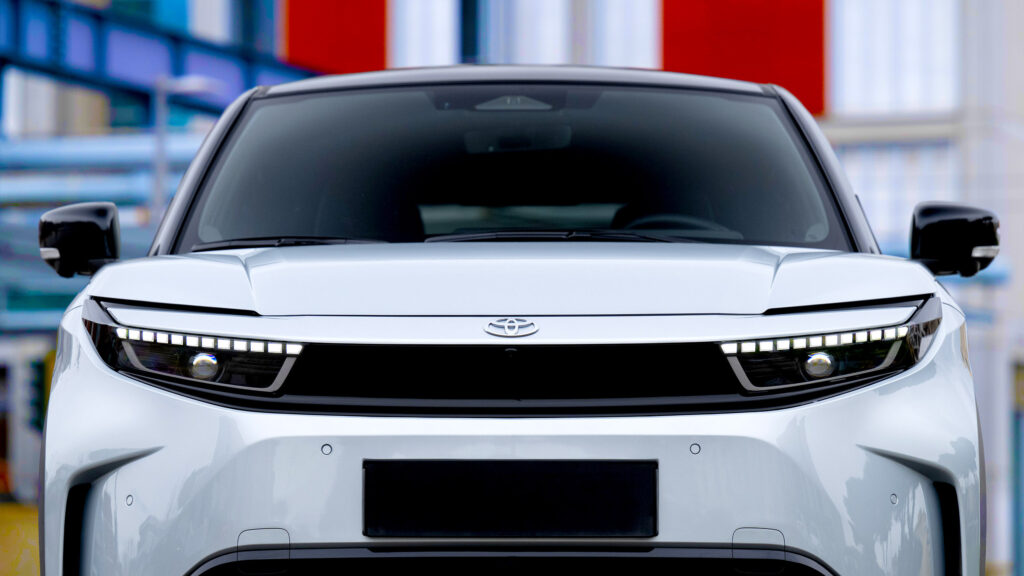
Global Leadership in Hybrids
If it seems to you that every second Toyota on the road is a hybrid, you are not mistaken. Toyota is already the world leader in hybrid car sales and expects to further increase their production and sales in two years. The world’s largest automaker forecasts a 30 percent growth in hybrid production.
Only one brand has broken the global sales record, and it is precisely the one that is not rushing to fully transition to electric vehicles.
Last year, the Japanese manufacturer sold 10,536,807 vehicles worldwide, of which 4.994 million belonged to the electric vehicle category. Of these, 4.433 million were traditional hybrids. Next year, Toyota aims to increase production of both hybrids and plug-in hybrids to 5 million units, and by 2028 plans to reach a level of up to 6.7 million.
Why Specifically Hybrids?
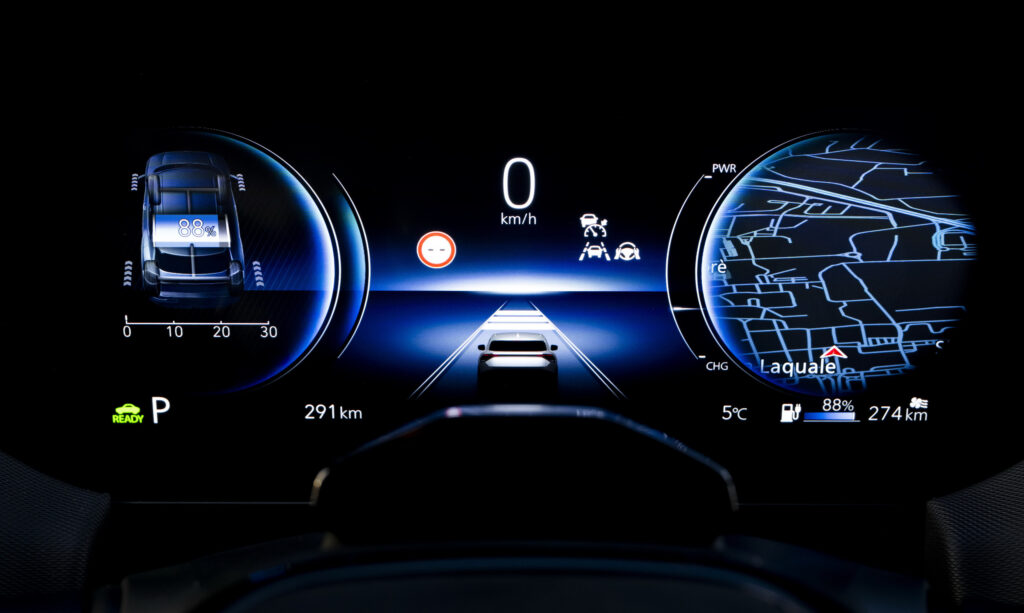

This projected surge will increase the share of hybrids in Toyota’s total sales from approximately 50 to 60 percent. By 2028, the company expects to manufacture a total of 11.3 million cars, meaning that hybrid growth will significantly outpace overall production, which is expected to grow by only 10 percent over the same period.
Part of this growth will be ensured by expanding production in the USA. Toyota plans to invest $10 billion in its American operations over the next five years. This includes modernizing five plants focused on producing hybrid powertrains and related components. At the end of last year, the company introduced a new hybrid version of the RAV4, and by 2028 plans to begin assembling the hybrid Corolla at its facility in Mississippi.
Hybrid variants of mass-market models such as the Camry sedan and Tacoma pickup continue to enjoy high demand, especially in the USA.
What About Fully Electric Vehicles?
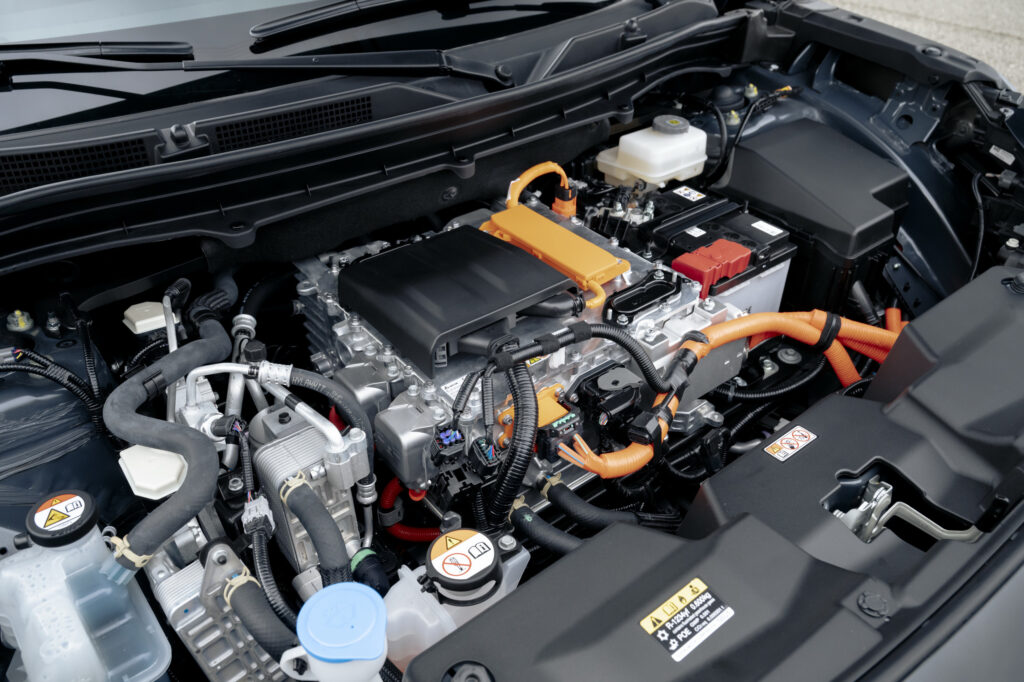

Interestingly, there is no data on how much Toyota expects its battery electric vehicle production and sales to grow. Obviously, as long as Donald Trump remains in office as US President, the company will double its investments in hybrid cars, underscoring how smart the firm’s decision was to invest in diverse powertrains instead of focusing entirely on electric vehicles and then being forced to change course.
This approach is gaining relevance against the backdrop of both US and some European governments cutting subsidies and requirements that once strongly favored fully electric vehicles.
Global Growth of the Hybrid Market
Market data confirms this. The British research firm GlobalData now forecasts that 29 million hybrid cars will be sold worldwide in 2030. This estimate is 2.8 million units higher than the firm’s previous projection, reflecting stronger-than-expected demand for both hybrids and plug-in hybrids.
Currently, Toyota holds a convincing 58 percent share of the global hybrid market, and there are no signs that this position will lose strength anytime soon.
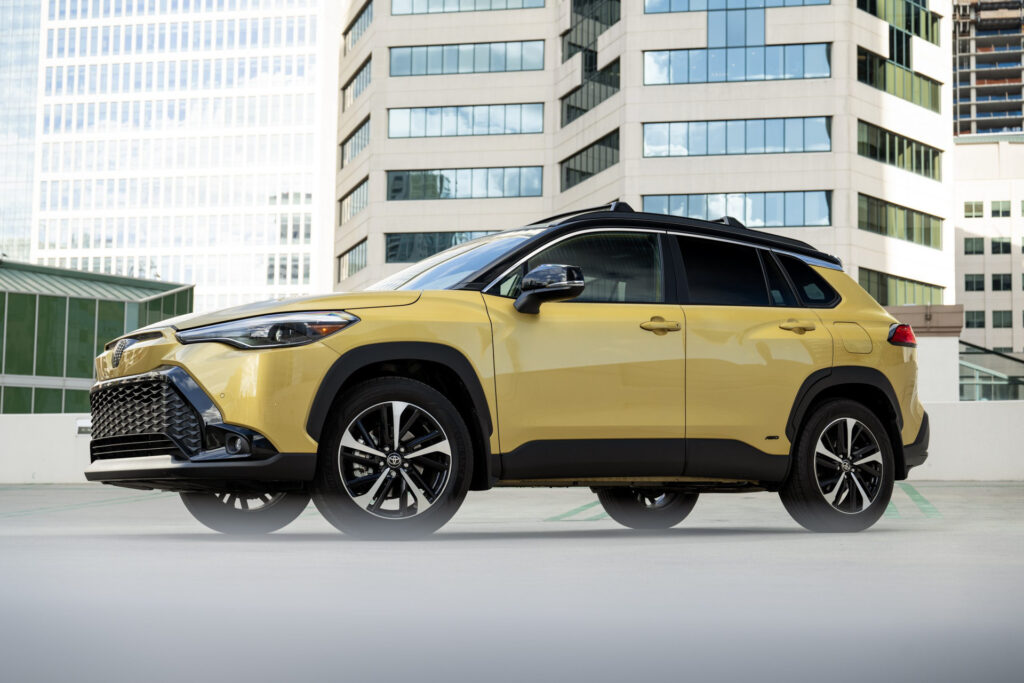

Toyota’s strategy, which bets on hybrid technologies as a transitional stage, looks increasingly justified in the context of global uncertainty regarding electric vehicle infrastructure and fluctuations in energy policy. Their approach allows them to meet current demand for more environmentally friendly vehicles without relying solely on rapid changes in charging station availability or political will. It also gives the company time to refine its own battery electric vehicle technologies to offer more competitive products in the future when the market is ready. Thus, millions of new hybrids are not just a business plan for today, but also a strategic reserve for tomorrow.