


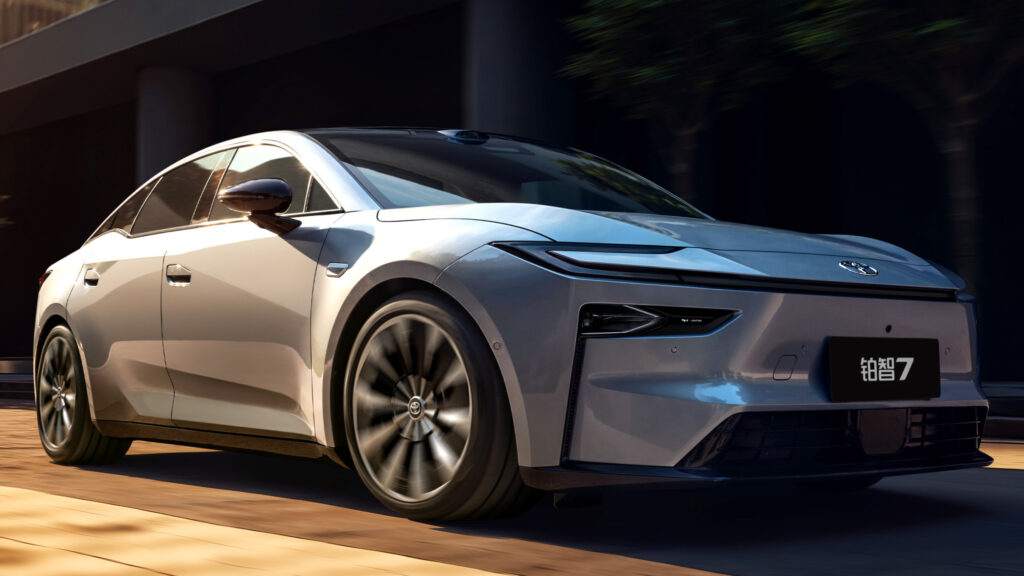
The Automotive Industry at a Crossroads
The global automotive industry is in a state of uncertainty. On one hand, the largest market, China, is showing record growth in electric vehicle and plug-in hybrid sales. On the other, in Europe, manufacturers are retreating from their ambitious electric plans due to slower-than-expected technology adoption and certain regulatory changes from the EU.
Against this backdrop, Toyota has consistently demonstrated support for internal combustion engines. For years, the company questioned the strategy of competitors and governments that decisively promoted exclusively electric transport. Despite showcasing its own electric concepts, Toyota adhered to a more balanced approach.
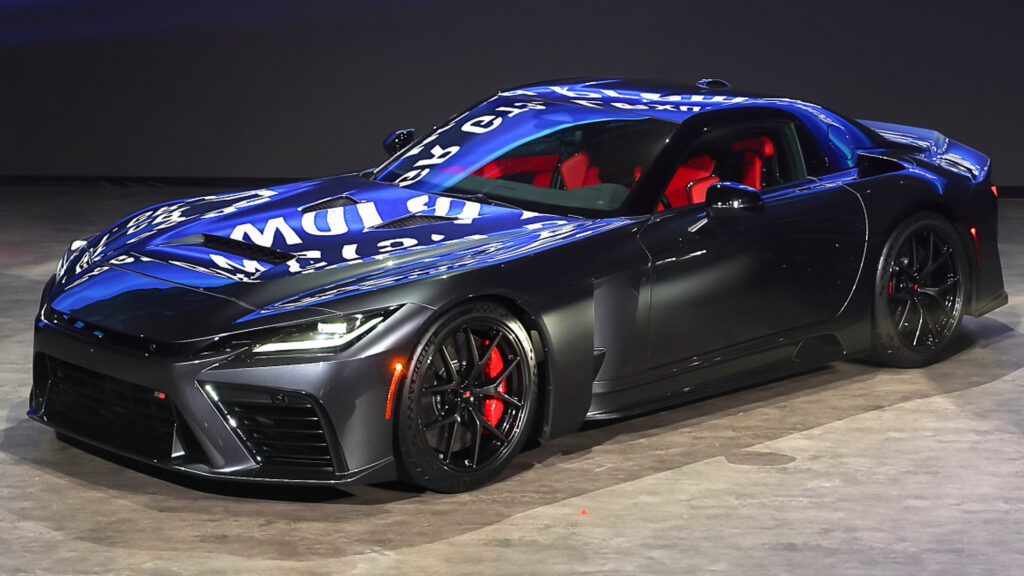
Toyota GR GT looks like the Batmobile and has the punch of a supercar
It has now become clear that Toyota does not intend to easily surrender its positions on the internal combustion engine, but hardly anyone expected the presentation of the GR GT. It is a serial-production, gasoline-powered supercar with a ferocious turbocharged 4.0-liter hybrid V8 engine.
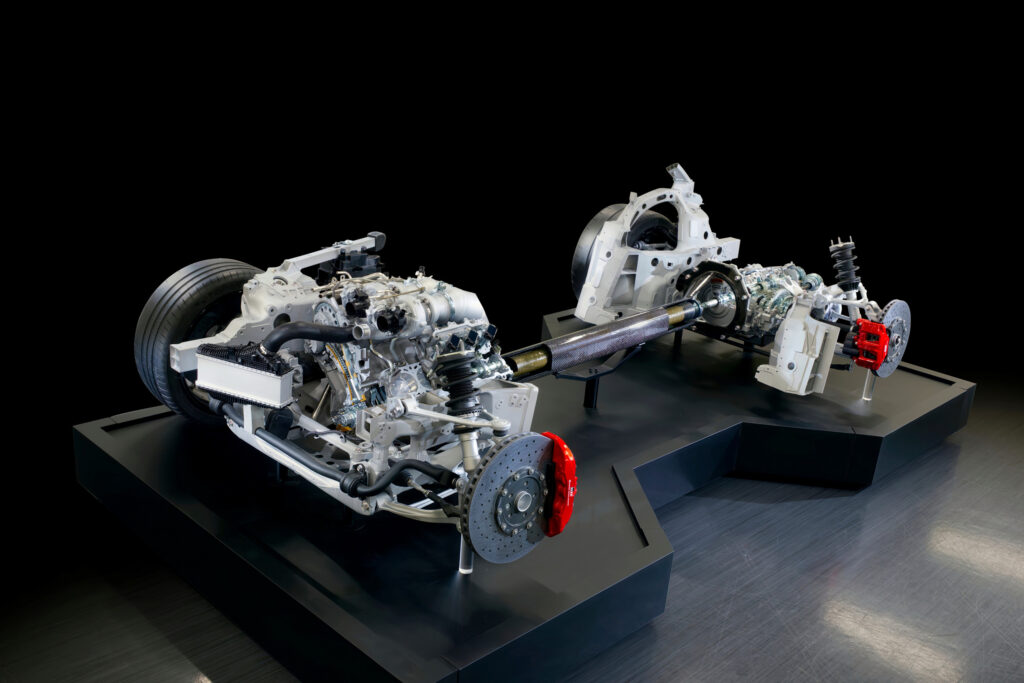

The Fight for Identity
In an era of stricter environmental norms and downsizing engines, the decision to give the green light to a V8 may seem almost rebellious. But for Toyota, the GR GT is not just a matter of sales volumes or compliance with norms. It is a matter of identity.
Cars, as an industrial product, are at risk of becoming mass-market commodities. The engine still has a role to play.
As noted by Nikkei Asia, the GR GT was developed without Yamaha’s involvement, unlike its spiritual predecessors, the 2000GT and Lexus LFA. This underscores the importance of in-house powertrains for the company.

The reality is that Toyota’s emphasis on preserving engines will permeate its entire product line in the near future. In June 2025, the company held a meeting with suppliers where managers outlined plans to develop new engines, including high-performance units, while maintaining overall engine production volumes until 2030. This was a clear signal that Toyota sees a long-term future for ICE.
Satisfying Giants: USA vs. China
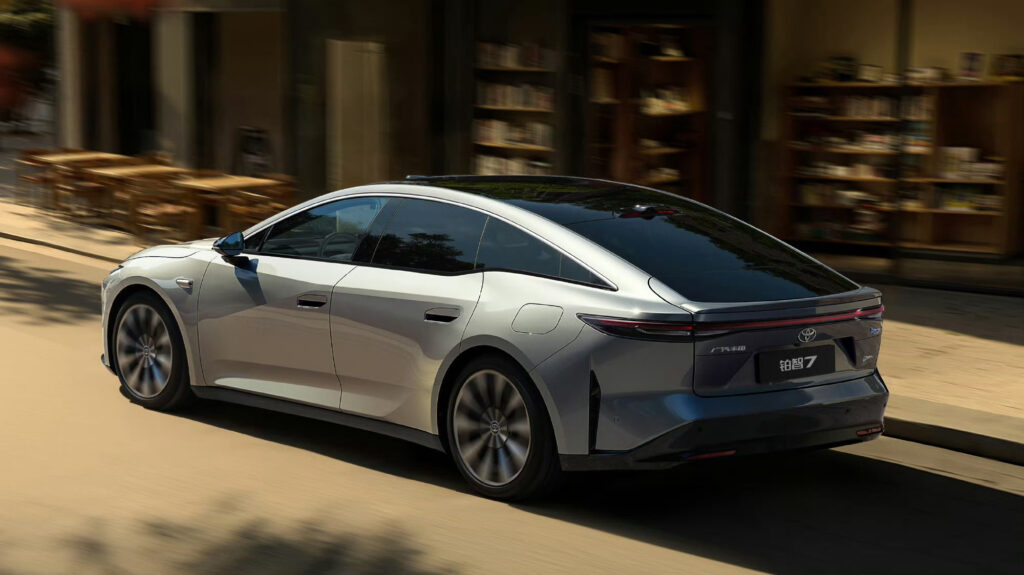

However, Toyota continues to diversify risks by developing electric vehicles, especially for the Chinese market. There, car buyers are steadily moving towards a fully electric future. Toyota, like all foreign manufacturers, is feeling pressure from local competitors.
In China, we will focus not on cars for the global market, but on cars created specifically for China. If management in Japan hesitates about investments, I will explain things to them personally.
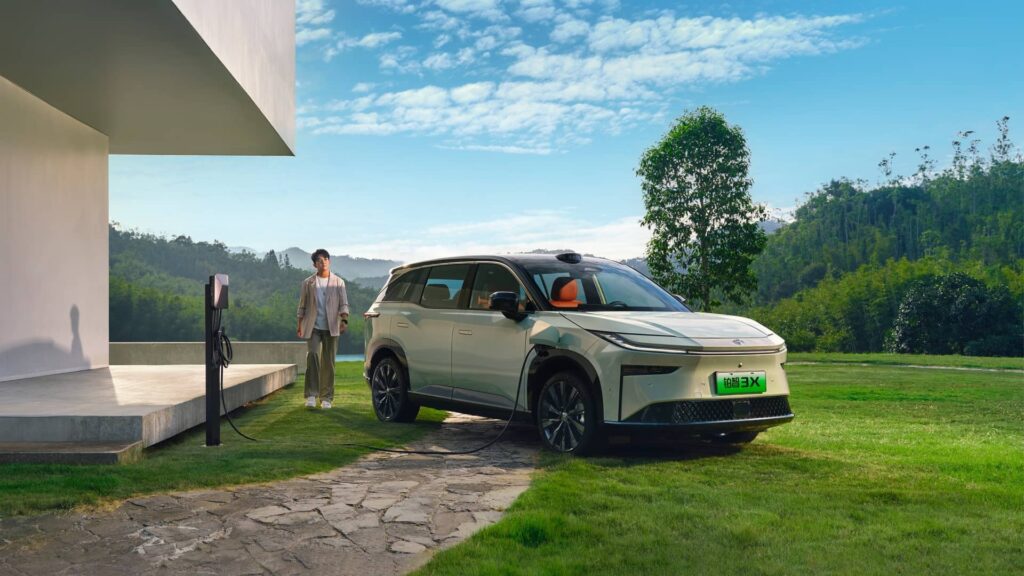
This shift is already noticeable in the product line. The bZ3X electric crossover, launched in March 2025 through the GAC Toyota joint venture, was co-developed with Guangzhou Automobile Group and uses affordable lithium-iron-phosphate batteries. Its price starts at approximately $15,300, and by November, monthly sales exceeded 10,000 units. The next is expected to be the bZ7 electric sedan.

Hybrid Momentum in America
Returning to the US, where the transition to electric vehicles is not as clear-cut, Toyota is investing in hybrid production. This step is driven by strong demand, as hybrids accounted for about 13% of new car sales in the US in the third quarter of 2025.
Toyota opened its new battery plant in North Carolina on November 12. The President of Toyota Motor North America called it a “key moment in our company’s history.” On the same day, Toyota announced plans to invest up to $10 billion over five years to expand hybrid and related component production in the US, increasing capacity at five American plants and reducing dependence on imports from Japan.
Is Betting on Everything the Smartest Move?

Of course, producing cars based on different technologies—from V8 hybrids to EVs with LFP batteries—is an expensive endeavor. Toyota spent approximately ¥1.3 trillion on R&D in the fiscal year ending March 2025, which is comparable to BYD’s spending and higher than that of many competitors.
To cope with the load, Toyota has begun to rely more on partnerships, including work with NTT on AI-based accident prevention and collaboration with Waymo in the field of autonomous driving.
In a market increasingly obsessed with finding a single winning technological concept, Toyota’s refusal to choose may seem risky. But if the future of global mobility is indeed plural, not singular, then betting on engines, rather than abandoning them, may later prove to be the company’s most calculated move.
Toyota’s approach, often criticized for its conservatism, now looks like a strategy of flexible adaptation to different markets. Instead of a universal solution, the company offers different technologies for different regions: electrification for China, powerful hybrids for enthusiasts, and mass-market hybrid solutions for markets like the US. This requires significant investment but allows avoiding dependence on a single technological trend, which could prove key in case of changes in global energy policy or raw material supply disruptions. Conditions on different continents continue to dictate different rules of the game, and Toyota seems to be preparing for a long-term perspective of precisely such a fragmented reality.