


Unexpected Leadership Change
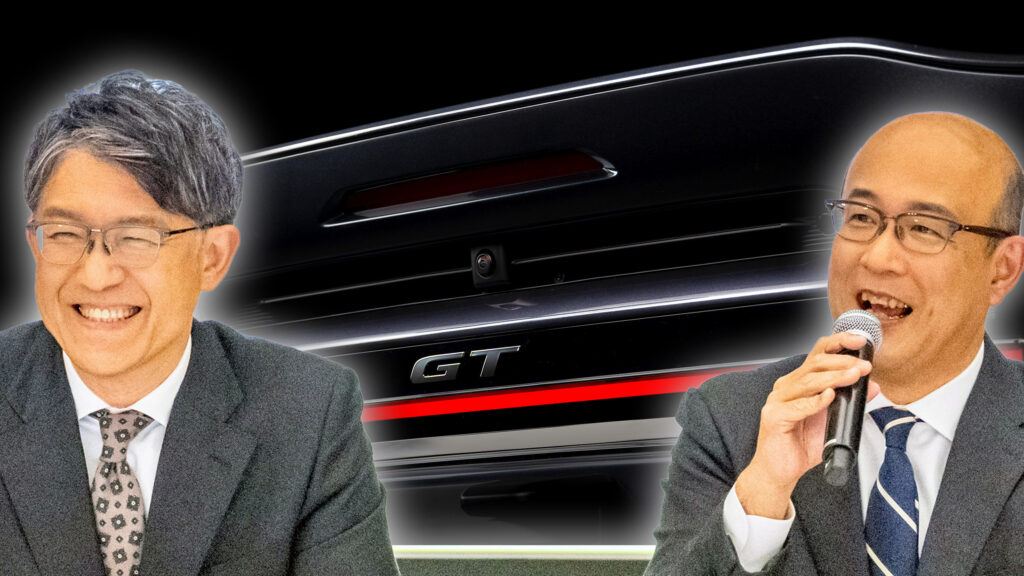
In a surprise top management reshuffle, Toyota announced that Koji Sato will step down as president and CEO after just three years in the role. Starting April 1, the world’s largest automaker will hand the reins to Kenta Kon, who currently serves as both Chief Operating and Financial Officer.
The announcement came during Toyota’s third-quarter earnings briefing in Tokyo on February 6. Under Kon’s leadership, the company is preparing for intensified competition from Chinese automakers amid ongoing global trade uncertainty.
The leadership transition is also widely seen as part of a long-term succession plan. Industry sources reported that this move could later pave the way for further advancement in the corporate hierarchy for Daisuke Toyoda, the son of Akio Toyoda and a senior figure in Toyota’s software division.
New Role for the Former CEO
The outgoing CEO is not leaving Toyota entirely. Sato will move to the newly created position of Chief Industry Officer and also become Vice Chairman of the Board. His focus will shift to external partnerships and industry collaboration, aligning with his recent appointment as Chairman of the Japan Automobile Manufacturers Association.
Reflecting on his relatively short tenure as CEO, Sato acknowledged that “three years was not enough,” citing the need for stricter cost control to sustain investments in electric and autonomous vehicle technologies.

The Arrival of a Financier
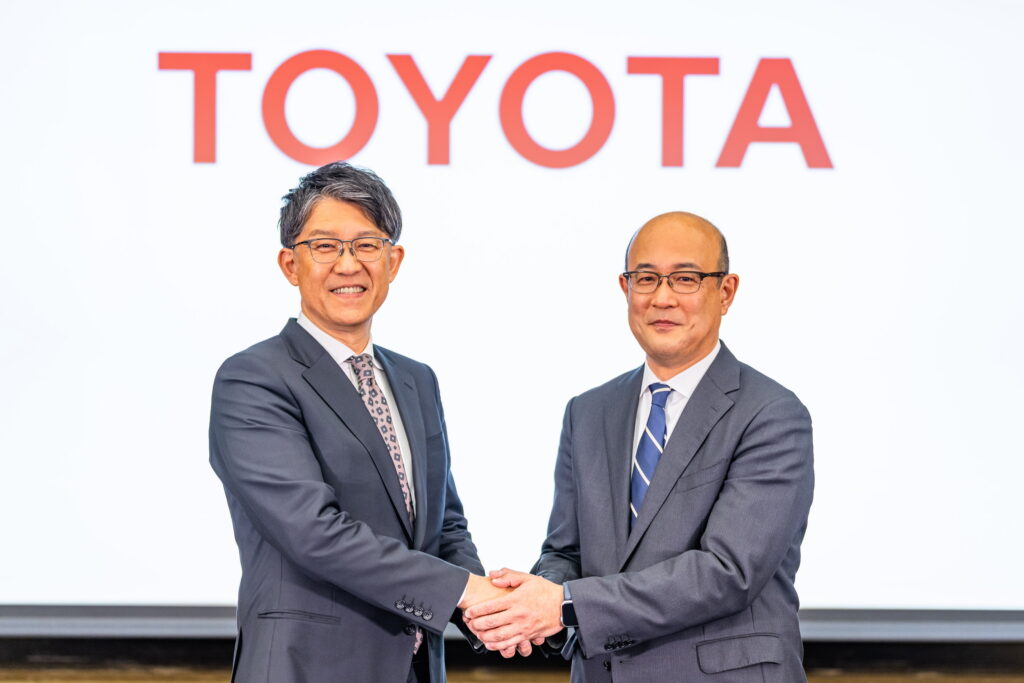
If Sato had an engineering background and a reputation as a “car guy,” his successor represents a different approach. Kenta Kon, often described as a numbers-oriented manager, has been with Toyota since 1991.
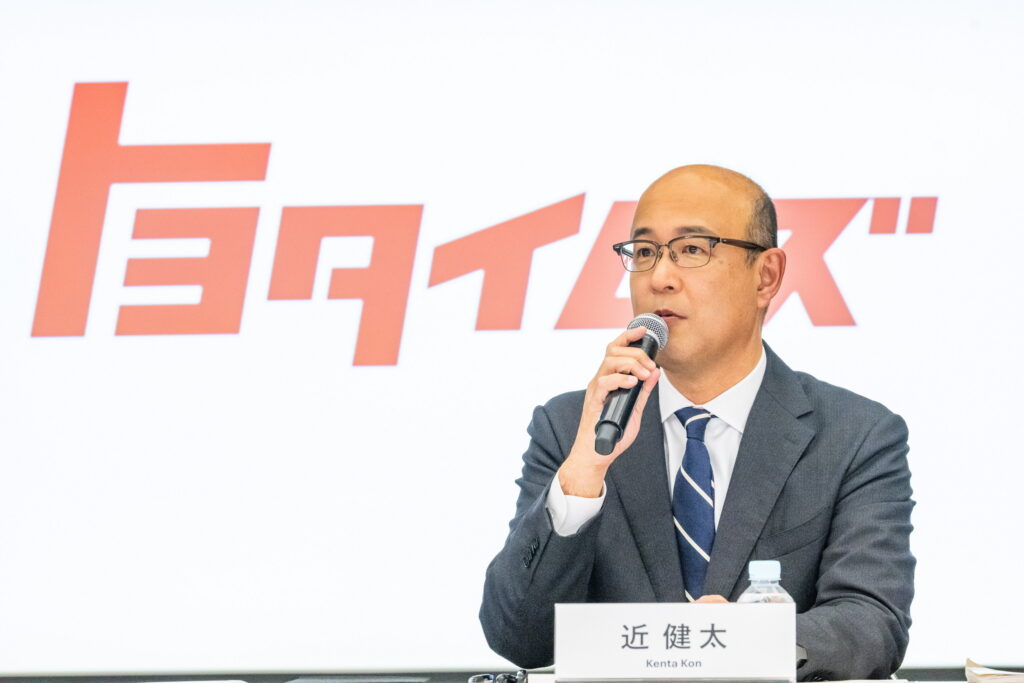
In an interview, Kon stated: “Because I am in accounting… I am extremely particular about profits and the numbers that allow for solid investments to develop cars.”
His mission is to strengthen Toyota’s financial resilience during an uncertain period and accelerate the company’s transformation into a full-fledged mobility solutions provider. Among his top priorities are reducing production volumes to achieve break-even and ensuring financial discipline.
Kon played a key role in recent cost-cutting strategies that helped the company cope with the effects of supply chain disruptions and rising US tariffs. Alongside this leadership change, Executive Vice President Yoichi Miyazaki has been appointed Chief Financial Officer.
Financial Resilience Despite Tariffs
Toyota’s leadership announcement was accompanied by a strong third-quarter earnings report. The company maintained its previous forecast of a 1.45 trillion yen ($9.2 billion) hit to operating income for the fiscal year ending March 31, 2026.
Despite pressure from US import tariffs, Toyota raised its full-year net profit forecast by 22% to 3.57 trillion yen ($22.7 billion). The upward revision was partly driven by a weaker yen and continued cost-cutting efforts, although third-quarter net profit still fell 43% year-on-year to 1.3 billion yen. Nonetheless, the market reacted positively, with shares closing 2% higher for the day.
Kon acknowledged future challenges: “We must be realistic about the headwinds we face, including potential shifts in global trade policy. We are preparing for a significant impact on our operating income, and our response must be an unwavering focus on cost efficiency and internal restructuring.”
North American Hybrid Demand Supports Margins
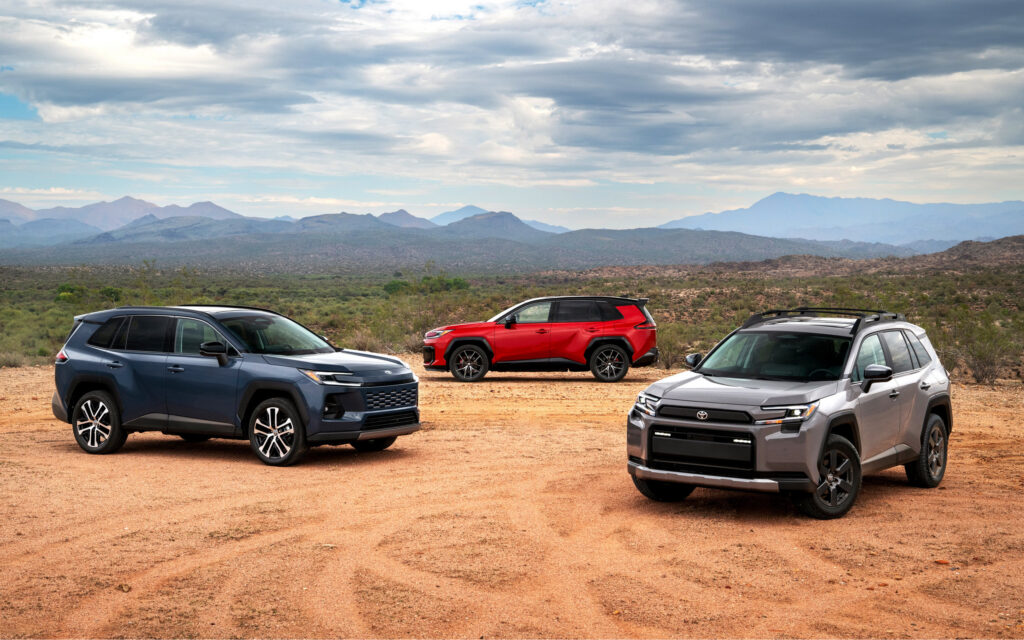

The new CEO confirmed that his predecessor’s battery-electric vehicle-focused strategy will remain central to Toyota’s ongoing transformation. He also pointed to strong hybrid sales as the company’s “financial foundation” and a “key driver of our upward profit revision,” especially in North America, where they helped cushion the impact of import tariffs.
Nevertheless, Toyota’s electric vehicle rollout remains modest compared to competitors. The company sold fewer than 200,000 EVs last year, paling in comparison to the 4.4 million hybrids it delivered worldwide.
Turning a Global Fleet into a Data Advantage
Kon noted that stable profitability is crucial to giving engineers the resources needed to drive innovation in both software and hardware.
He acknowledged that some competitors may have an early advantage in EV development but pointed to Toyota’s unique strength: a global fleet of 150 million vehicles already on the road. The vast amount of data generated by this fleet will become a key asset in developing future software-defined vehicles.
Toyota recently reported record sales of 10.5 million vehicles in 2025, up 3.7% from the previous year, solidifying its position as the world’s largest automaker ahead of the Volkswagen Group.
These changes come at a pivotal moment for the auto industry, as technological shifts and geopolitical tensions reshape the rules of the game. The emphasis on financial discipline and operational efficiency under Kon’s leadership could prove to be a strategic asset, allowing Toyota to fund long-term innovation while building on its current success in traditional segments. The company’s ability to balance immediate challenges with future investments will define its trajectory in the coming decade.