


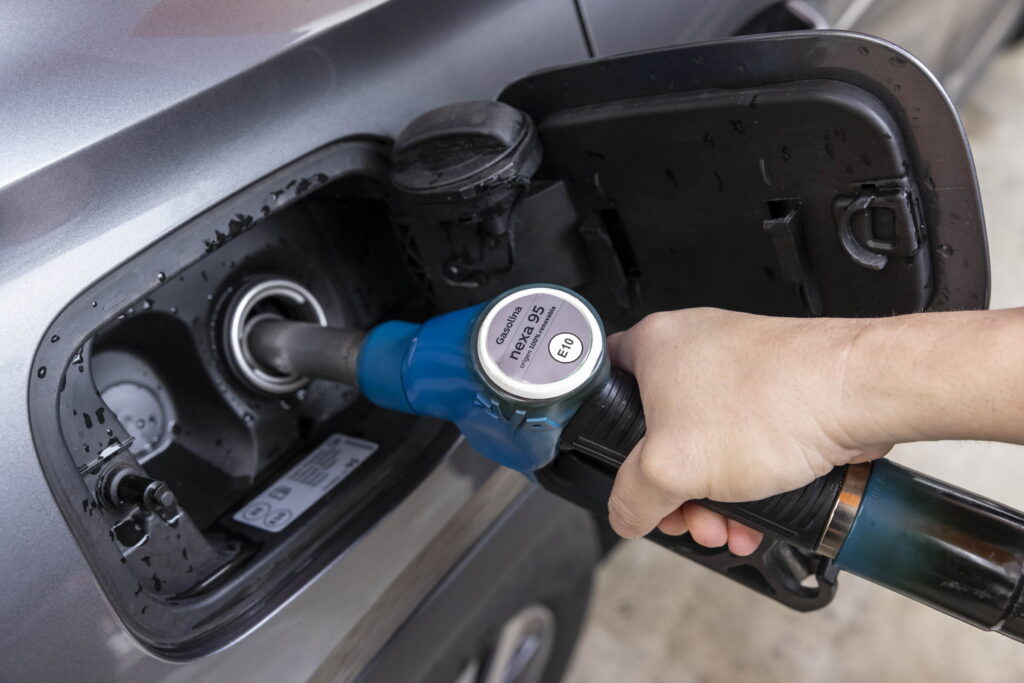
BMW and Toyota launch pilot project with renewable gasoline in Spain
While the US returns to “thirsty” engines, Europe is confidently moving in the opposite direction. The largest players in the automotive industry have united to demonstrate a new path of development. A six-month pilot project, which started this month, aims to prove that renewable gasoline can reduce carbon emissions. The key task is to show that this is possible without drastic changes in internal combustion engine technology.
Who is participating and what are the goals?
BMW, Toyota, Bosch, and Repsol have joined the project. As part of the initiative, about 20 BMW and Toyota vehicles will operate exclusively on Repsol Nexa 95 renewable gasoline. Bosch will provide the “Digital Fuel Twin” technology, which tracks fuel usage in the supply chain and confirms that each vehicle is refueled with certified renewable fuel.
According to the companies, the pilot has three main goals:
What is renewable gasoline?
Despite its name, renewable gasoline is fundamentally no different from the regular fuel currently poured into vehicle tanks. It is produced not from crude oil, but from renewable sources: used cooking oil, agricultural waste, and other organic residues.
The resulting fuel is chemically similar to traditional gasoline and can be used in existing engines without any modifications. It still emits CO₂ during combustion, but proponents of the technology claim the overall carbon footprint is significantly smaller. The reason is that the carbon comes from recently living sources, not from fossil reserves that have been underground for millions of years.
Why Spain and why now?
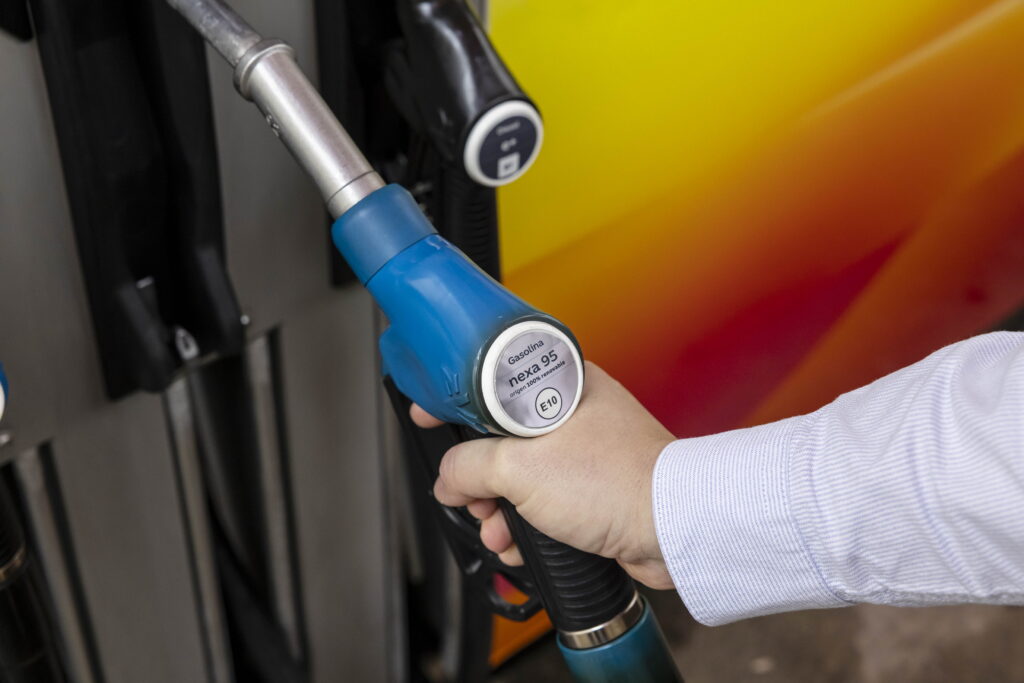

Spain was chosen for the tests because Repsol already has the only public network in the country offering 100% renewable gasoline. The timing of the pilot is not coincidental. Europe remains committed to effectively halting sales of new internal combustion engine vehicles by 2035, although politicians continue to debate whether to make exceptions for cars running exclusively on carbon-neutral fuel.
BMW has long argued that Europe should not bet solely on electric vehicles. Toyota agrees, noting that renewable fuel could help fill the gap if the EU’s zero-emission targets for 2035 are not met. The companies plan to submit the pilot project data to European lawmakers to influence the formation of regulations that recognize vehicles running exclusively on renewable fuel.
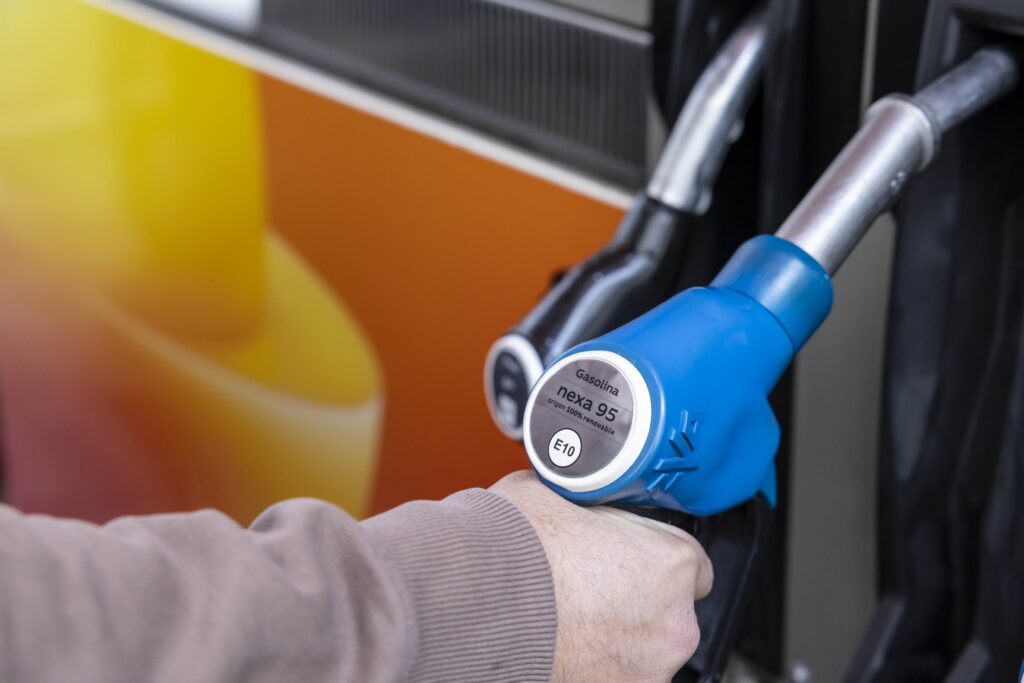
This pilot project is an important step in finding a compromise between preserving traditional technologies and environmental requirements. If the tests prove the efficiency and scalability of renewable gasoline, it could significantly impact the future of the automotive industry in Europe. Instead of a complete abandonment of internal combustion engines, the market could get an intermediate option that allows for emission reductions without needing to replace the entire vehicle fleet. This is especially relevant for countries where electric vehicle infrastructure is developing slowly. At the same time, questions remain about the sufficient availability of raw materials for producing such fuel on an industrial scale and its final cost for consumers.