 by
by The first quarter of 2026 proved challenging for the Swedish automaker Volvo in the U.S. market. The company recorded a significant sales decline affecting almost the entire model lineup.
Overall Market Decline
It turns out that even pragmatic Swedes are not immune when the market decides to tighten. The first quarter was tough for the entire U.S. auto market, but few brands struggled like Volvo. Sales fell by one-third in just a year, and not a single model in the lineup managed to show positive dynamics.
Volvo ended the quarter by delivering 22,651 cars in the U.S., which is 32 percent less than the 33,285 units sold a year earlier. In absolute numbers, the hardest hit was the XC60 model, whose sales fell by 37 percent from 12,706 units in the first quarter of 2025 to 8,061 last quarter.
The collapse in demand for the XC60 is partly related to its age, approaching ten years, along with a price increase of approximately $4,000 over the past year due to the Trump administration’s tariffs on foreign cars. In response, Volvo plans to start production of the XC60 at its South Carolina plant later this year.
Decline Across the Entire Lineup
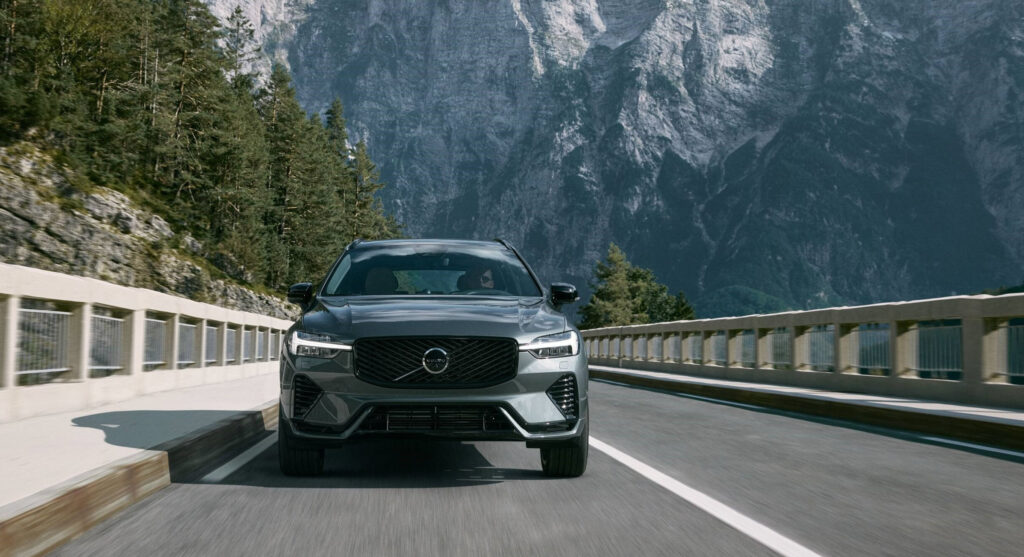
The smaller XC40 also suffered this year, with its sales falling 47 percent to 3,403 units. The larger XC90 proved more resilient, though still showing a 9 percent drop to 8,513 units. Electric vehicles also did not escape the decline: EX30 sales fell by 23 percent, and the EX90 by 30 percent to 702 units, reflecting softer demand for electric vehicles in the U.S.
Since the S60 and S90 models have long been discontinued, their sales fell by 100 percent and 95 percent, respectively. Additionally, the V90 Cross Country is no longer as popular, and its sales dropped from 166 units to just 15. Meanwhile, orders for the V60 Cross Country are closed, and its sales fell 43 percent to 565 units during the quarter.
Dynamics by Powertrain Type
The sales decline is consistent across all powertrain types. Sales of fully electric cars fell by 14 percent to 2,326 units. Plug-in hybrids fell by 49 percent to 3,436, while mild hybrid sales shrank by 29 percent to 16,889 units. The only bright spot was sales of certified pre-owned cars, which grew by 14 percent to 13,287 units.
Detailed Sales Statistics
The table below clearly demonstrates the scale of the sales decline for each Volvo model in the U.S. compared to the first quarter of 2025.
| Model | Q1 2026 | Q1 2025 | % Change |
| S60 | 2 | 685 | -100% |
| S90 | 17 | 377 | -95% |
| V60 Cross Country | 565 | 983 | -43% |
| V90 Cross Country | 15 | 166 | -91% |
| XC40 | 3,403 | 6,469 | -47% |
| XC60 | 8,061 | 12,706 | -37% |
| XC90 | 8,513 | 9,369 | -9% |
| EX30 | 915 | 1,185 | -23% |
| EX30 Cross Country | 458 | – | – |
| EX90 | 702 | 1,000 | -30% |
| Total | 22,651 | 33,285 | -32% |
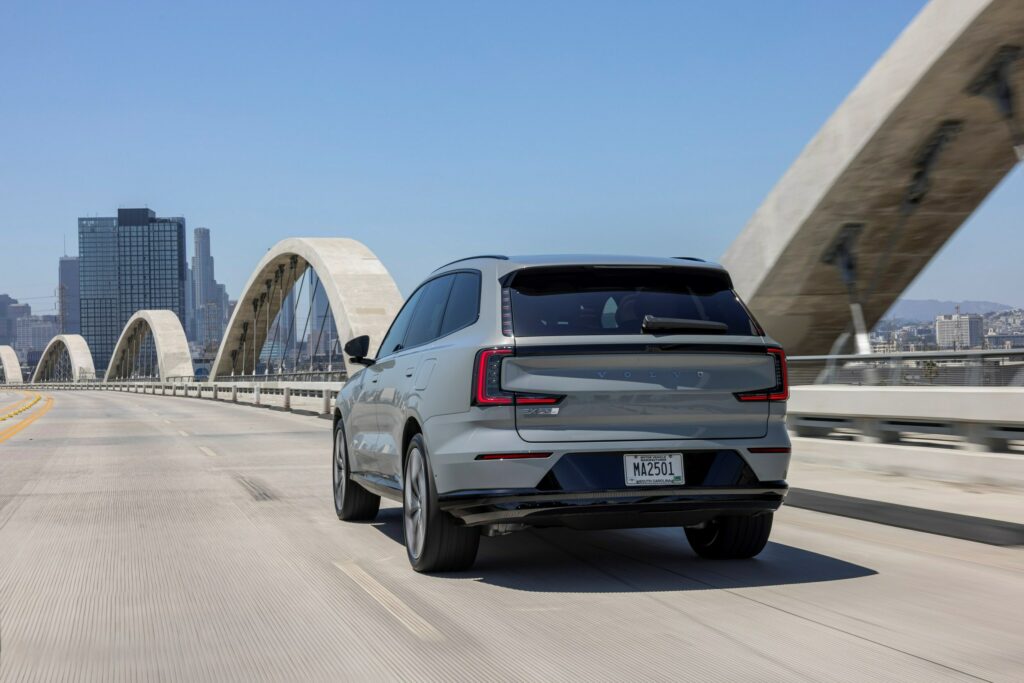
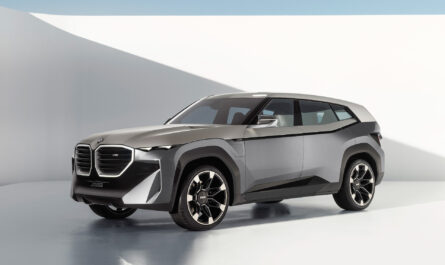
This sales situation indicates not only cyclical market fluctuations but also the structural challenges facing the brand. The aging of the key XC60 model, the general cooling of demand for electric vehicles, and external economic factors such as tariffs have created a perfect storm for Volvo. Moving production of some models to U.S. soil could be a key step in reducing costs and improving competitiveness. However, to stabilize the situation, the brand will likely need not only localization but also an accelerated update of its model range, especially in the electric crossover segment, which currently shows the greatest dynamics in the global market. The success of future models, such as the EX60 depicted in the first photo, could be decisive for Volvo’s return to growth in the U.S.