


A new study shows that the majority of German car buyers categorically reject the idea of buying a Tesla car, despite the company providing thousands of jobs at its Berlin factory.
A Serious Decline in Brand Trust
According to a study by the German Institute for Economic Research, over three-quarters of Germany’s population rule out buying a Tesla car. About 60 percent of respondents called it completely impossible, and another 16 percent said they would most likely not buy one. This is not just a minor fluctuation in brand popularity but a serious collapse, which helps explain Tesla’s 27 percent drop in sales in Europe last year.
The Problem is Not with Electric Vehicles in General
Interestingly, the problem is not with general interest in electric cars. The same poll shows that many Germans are open to electric cars, especially from domestic manufacturers. Approximately every fifth new car sold in Germany is fully electric, and about 40 percent of those surveyed stated they could imagine buying an electric car from a German brand.
The Role of Elon Musk


Researchers point out that the main factor is Tesla’s founder and CEO, Elon Musk. His outspoken political positions, including statements in support of the German right-wing party AfD, associations with President Trump, as well as issues of tariffs and threats to Europe’s security, have not found a positive response among a significant portion of German buyers.
Political views now play a leading role in electric vehicle purchase decisions in Germany, turning a technological and environmental choice into something much more tribal.
Reaction of Different Political Groups

Even among supporters of the Green Party, who are typically enthusiasts of electric mobility, only one in ten said they could imagine buying a Tesla. On the other hand, among AfD supporters, general enthusiasm for electric cars is low, further reducing interest in Tesla.
An Advantage for German Automakers
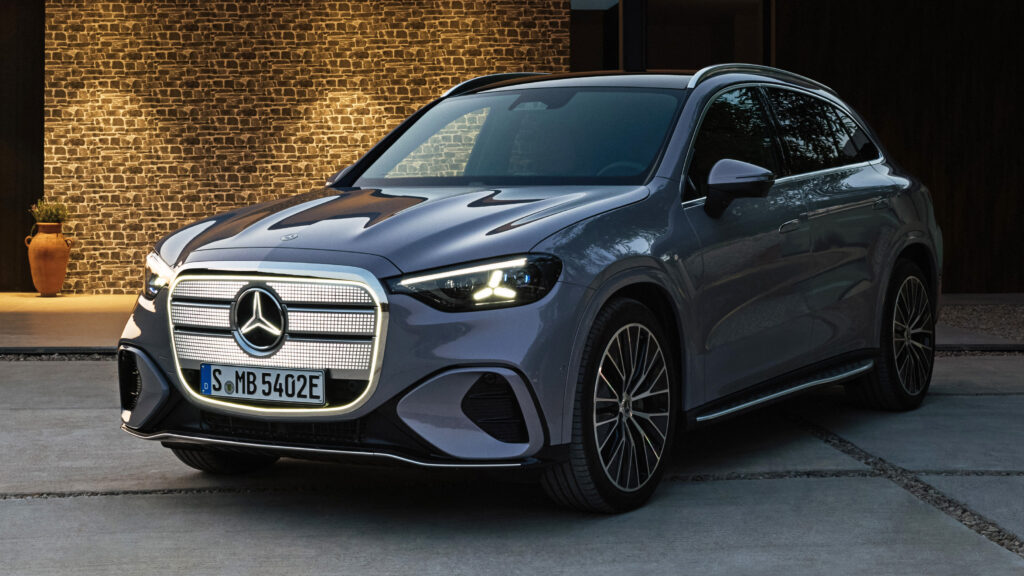

For German automakers, this situation looks like an unexpected gift. As Tesla loses ground in the public eye, local brands get more opportunities to sell their own electric models without having to battle the “star power” from Silicon Valley. The new BMW iX3 model is an example of an electric car benefiting from the apathy towards Tesla. It is almost sold out for this year.
A Shift in Tesla’s Priorities
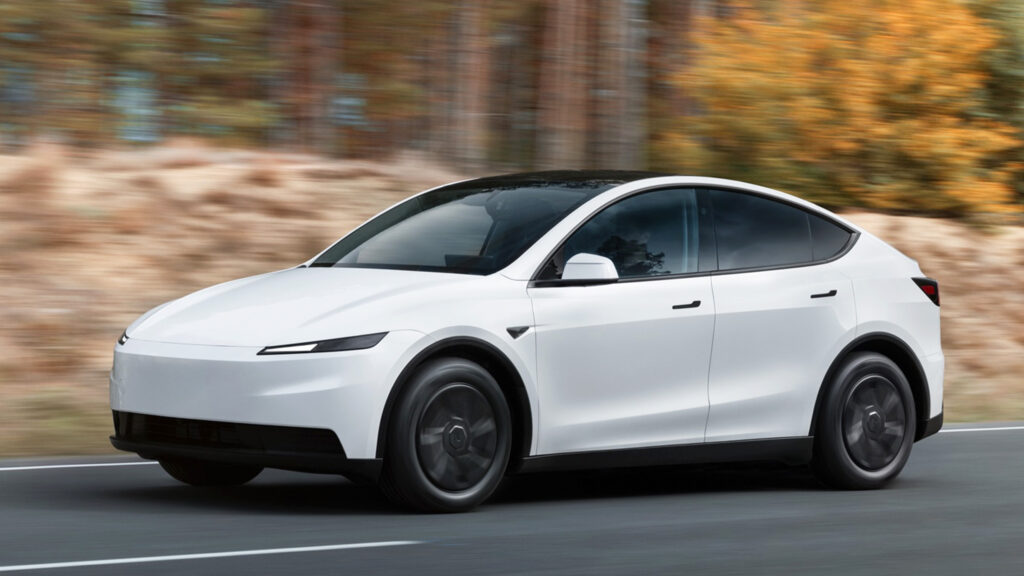
This is a reminder that in the era of electric vehicles, not only software and charging speed are important, but also how people feel about the emblem on the hood. However, perhaps Elon Musk is not worried about this, as he is looking at a bigger goal. After revolutionizing the car market, Musk is betting on robots and robotaxis, which have the potential to bring Tesla even more money. Last month, the CEO confirmed that the Model X and S will be discontinued this spring to free up capacity for the production of the Optimus robot.
This situation in Germany vividly illustrates how a global business can become hostage to the political statements of its leaders. The decline in trust in Tesla in one of the key European markets could have long-term consequences for the company’s sales structure and spur local competitors to more active action. At the same time, Tesla’s focus on new technologies, such as robots, may over time change the very essence of the automotive business, making traditional sales to private individuals less of a priority. The German market, with its strong national identity and sensitivity to politics, remains an important barometer for the acceptance of innovations in the world.