


Mobile Phones and Tablets Could Cause a Fine While Driving in Florida
Mobile phones today have become as common an item as a wallet. They are part of everyone’s life, but also a constant source of distraction. Legislators in the state of Florida want to prevent danger on the roads due to these distractions. Their intention is to grant police the right to stop drivers who are simply holding a phone or tablet in their hand.
The legislative initiative, known as House Bill 1241 and its Senate counterpart SB 1152, will expand Florida’s current distracted driving law. Currently, police can only stop drivers for texting as a primary offense.
If the bill is approved, the new rules will prohibit operating a vehicle in case of “physically holding or supporting” a wireless communication device in the hand.
What Will Be Considered “Holding” a Device?
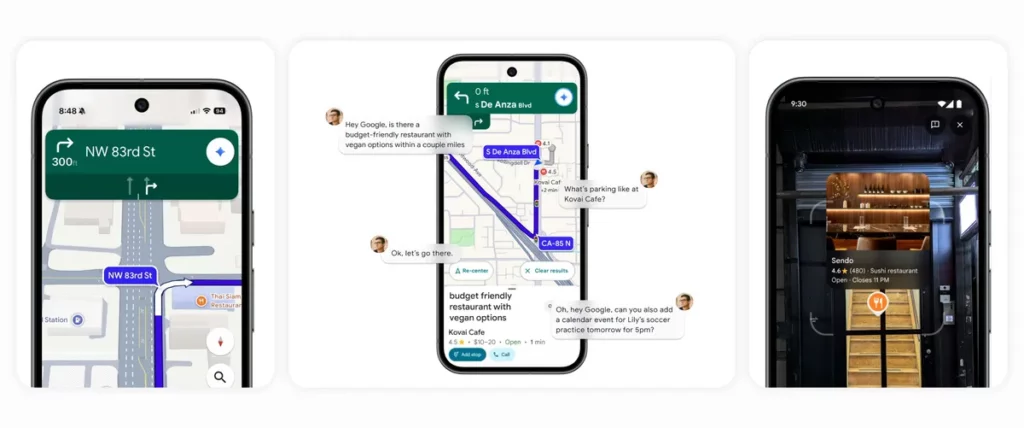
The proposed laws go far beyond just texting. They will cover scrolling, video calls, using GPS, and even placing the device on the lap. The wording “holding in the hand” is interpreted broadly and applies to phones, tablets, laptops, and other wireless devices, except for emergency services and built-in vehicle systems.
Traffic attorney Doug Burnetti notes that this change would mean a significant shift in enforcement. Police will need clear training to ensure consistent compliance with the law and to avoid profiling issues. Unlike current rules, police will not need to prove that the driver was texting. The simple fact of holding the device will be sufficient.

Proponents of the changes claim that this could also change civil liability after accidents. Burnetti explained that proving a driver was actively texting at the moment of a collision is often difficult, but a complete ban on holding a device in the hand creates a clearer legal standard for determining negligence.
When Touching GPS Can Become Expensive
Fines can quickly increase. Violations in school zones or construction zones carry a fine of $150 and three points on the driver’s license. Repeat offenses can escalate to a $500 fine, four points, and a 90-day driver’s license suspension.


This year’s bills are still in the early stages of consideration. HB 1241 is currently in committee, while SB 1152 was introduced in mid-January. If approved, the measures will take effect in mid or late 2026, potentially putting Florida in line with more than 30 states that already have hands-free driving laws.
The Law Leaves Room for Interpretation
It is worth noting that the wording of the bill may open a certain loophole. Drivers who have a phone or tablet holder could technically circumvent the law by continuing to use their device.
Furthermore, it ignores the fact that data confirms that large tablet-style infotainment systems also distract drivers as much as phones. Will legislators support banning such devices? Unlikely.
Potential changes in Florida’s legislation reflect a broader national trend in combating distracted driving. While the goal of improving road safety is obvious, the effectiveness of such a law will largely depend on the quality of law enforcement training and the clarity of its wording to avoid controversial interpretations. The question also arises as to whether similar regulations will extend to built-in vehicle systems, which are becoming increasingly complex and potentially no less distracting. The success of the initiative could set a precedent for other regions considering similar measures.