


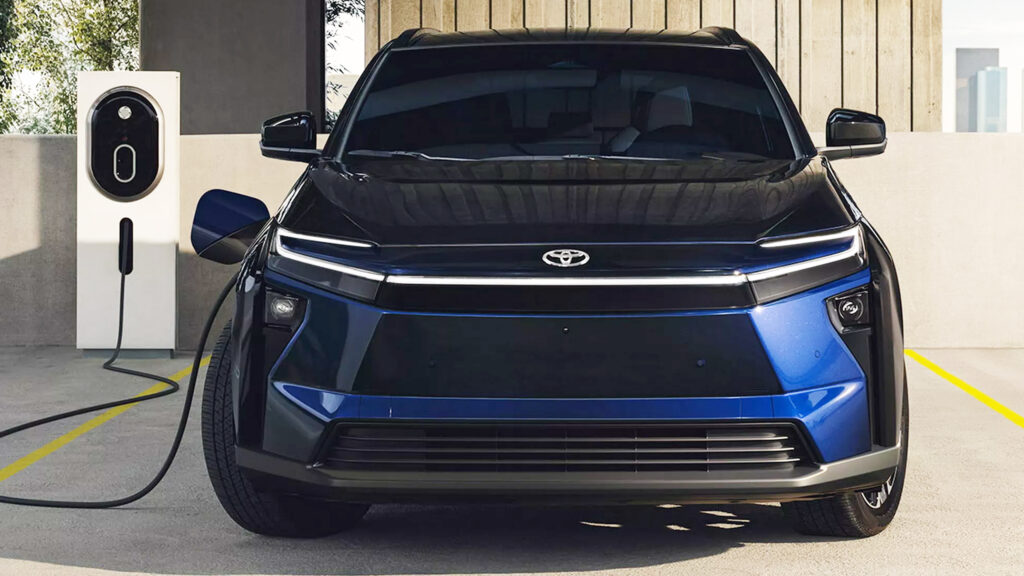
Toyota Nears Implementation of Solid-State Batteries
The Japanese automaker Toyota has long promised revolutionary solid-state batteries for electric vehicles, and these efforts are beginning to take tangible shape. Idemitsu Kosan, the company collaborating with Toyota on these batteries, has announced the start of construction of a plant for producing solid electrolytes.
Key development points:
The electrolytes produced at the new plant are intended for Toyota’s battery packs. Idemitsu Kosan has already succeeded with two smaller demonstration productions and expects to complete work on the new pilot plant by the end of 2027. Under favorable conditions, the company could produce several hundred tons of solid electrolyte annually.

Collaboration and Technological Prospects
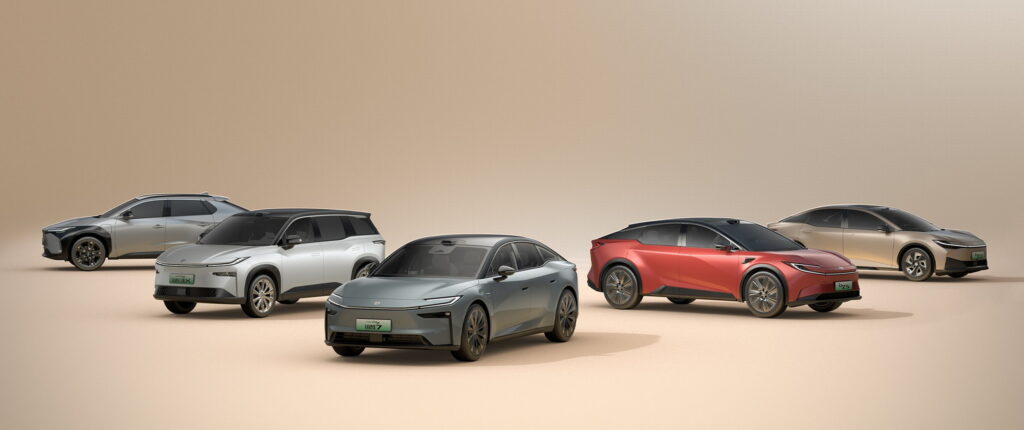
In addition to working with the major oil refiner on solid-state batteries, Toyota is also collaborating with the Japanese mining company Sumitomo Metal Mining on cathode materials necessary for solid-state batteries, along with advanced anodes and solid electrolyte.
Better Range and Faster Charging
A roadmap published by Toyota at the end of 2023 indicates that it intends to launch the first generation of solid-state batteries in 2027-2028. This will allow electric vehicles to provide a range of up to 1000 km (620 miles) and charge from 10 to 80 percent in about 10 minutes. Work is also underway on a second generation of solid-state batteries, which is expected to increase the range to 1200 km (745 miles) and possibly further reduce charging time.
Toyota is one of many automakers investing significant funds in solid-state batteries. Last year, Mercedes began testing an EQS with a solid-state battery, which during a recent test covered 748.8 miles on a single charge. Also last year, the new MG 4 with a semi-solid-state battery, which uses only 5 percent liquid electrolyte, was introduced.
Progress in building a specialized plant is a concrete step that transforms years of research and announcements into industrial reality. The success of this collaboration between the auto giant and the chemical company could be decisive for scaling the technology, as the production of key components, such as electrolyte, in sufficient volumes remains one of the main obstacles. If the timelines are met, the next few years could bring a serious shift in the electric vehicle market, offering consumers a level of practicality that competes with traditional cars.