


A Serious Transmission Problem
General Motors has announced two separate recalls due to a faulty transmission control valve, which can lead to the rear wheels locking up. The issue affects a range of full-size SUVs and pickups. Although the risk of the defect occurring is assessed as limited, the potential consequences are serious enough to warrant action.
First Recall: Full-Size SUVs
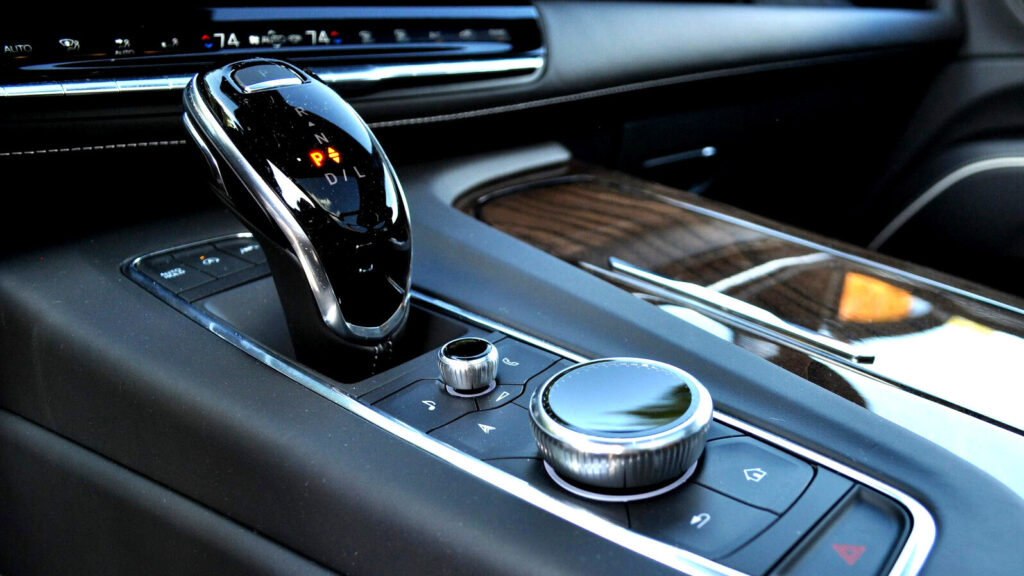
The first recall concerns 43,732 full-size SUVs from the 2022 model year, including the Chevrolet Tahoe and Suburban, GMC Yukon and Yukon XL, as well as the Cadillac Escalade and Escalade ESV. According to the National Highway Traffic Safety Administration, the control valve for the ten-speed automatic transmission is prone to excessive wear over time, which can cause a gradual loss of pressure. This, in turn, can lead to harsh gear shifts or, in rare cases, to a rear wheel locking up.
GM learned about this issue last fall following a customer complaint who claimed their transmission locked up, leading to a loss of control and a collision with a fence. The manufacturer launched an investigation and noted that the incident echoed an earlier recall related to excessive wear of the transmission control valve, which could cause a brief (less than 150 milliseconds) rear wheel lock-up.
Why Do the Wheels Remain Locked?
The new investigation revealed a “specific condition” unique to vehicles equipped with the ten-speed automatic transmission with electronic range selection. In these models, excessive wear in the transmission control valve body can cause the rear wheels to remain locked until the vehicle comes to a complete stop.
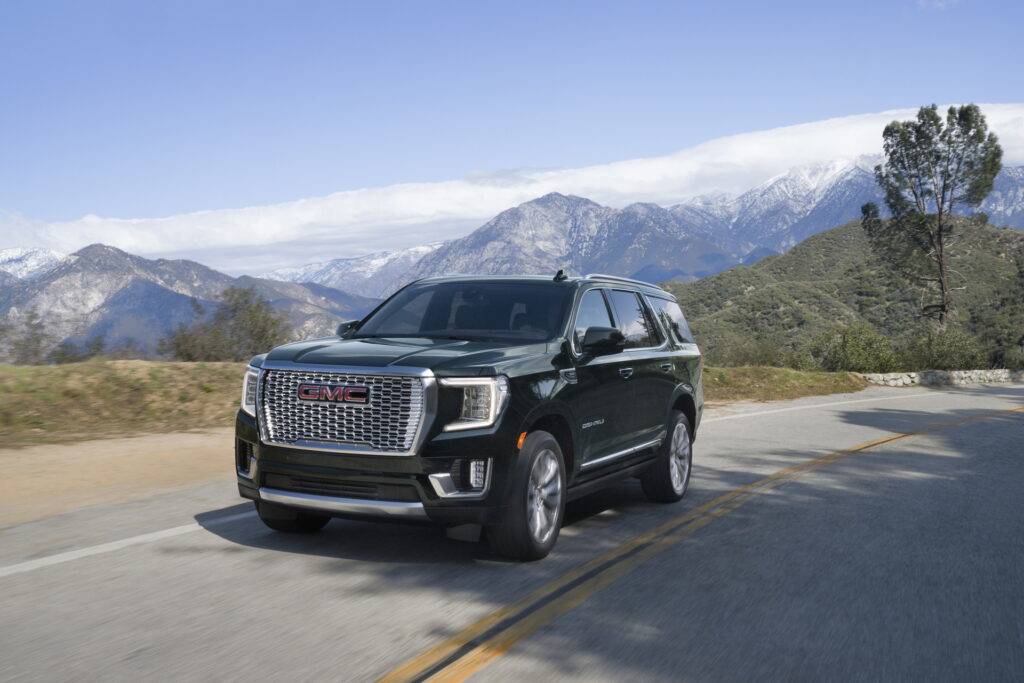

GM identified 13 reports potentially related to this issue and believes the problem is limited to transmissions manufactured between April and September 2022. According to the company, they have “unique internal equipment that can increase the level of transmission control valve wear.” Furthermore, they did not have the software installed to monitor valve performance and detect excessive wear.
It is believed that only 1% of the vehicles have this defect. GM plans to resolve the issue by installing new software for the transmission control module. It is designed to detect excessive wear approximately 10,000 miles (16,093 km) before a potential wheel lock-up.
System Response and Driver Warning
Once the software detects a problem, the transmission will be limited to fifth gear to prevent the possibility of a lock-up, which occurs when downshifting from eighth gear. Drivers will also be alerted by a check engine light and a warning message on the display.
Second Recall: Software Issue
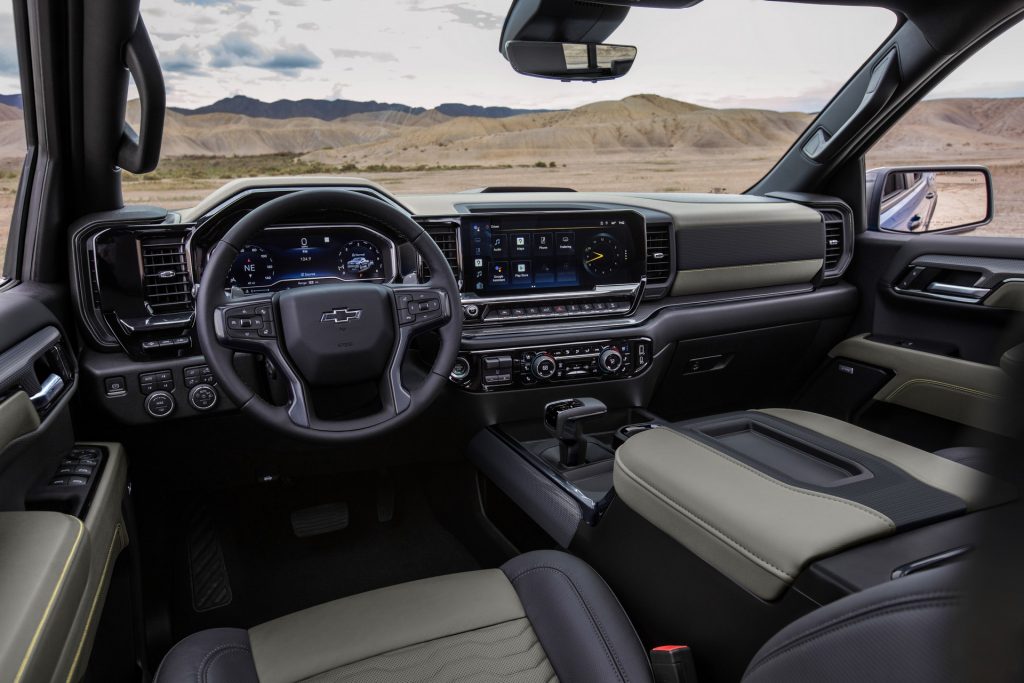
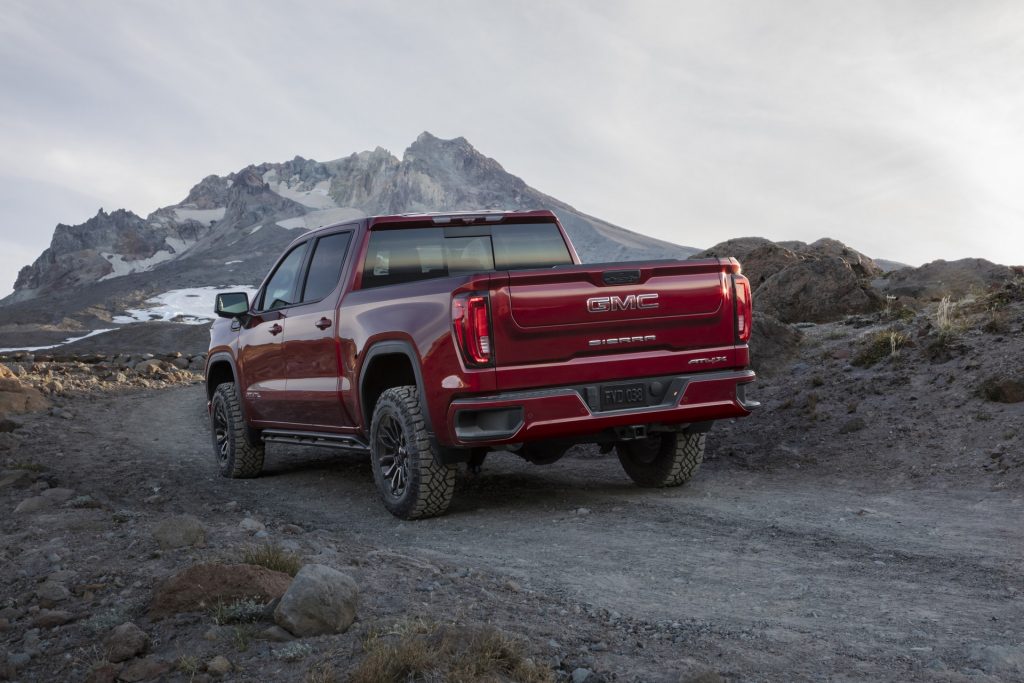
The second recall is much smaller and concerns 1,055 full-size pickups. It includes the 2020-2022 Chevrolet Silverado 1500 and GMC Sierra 1500, as well as some 2500 and 3500 models from both brands.
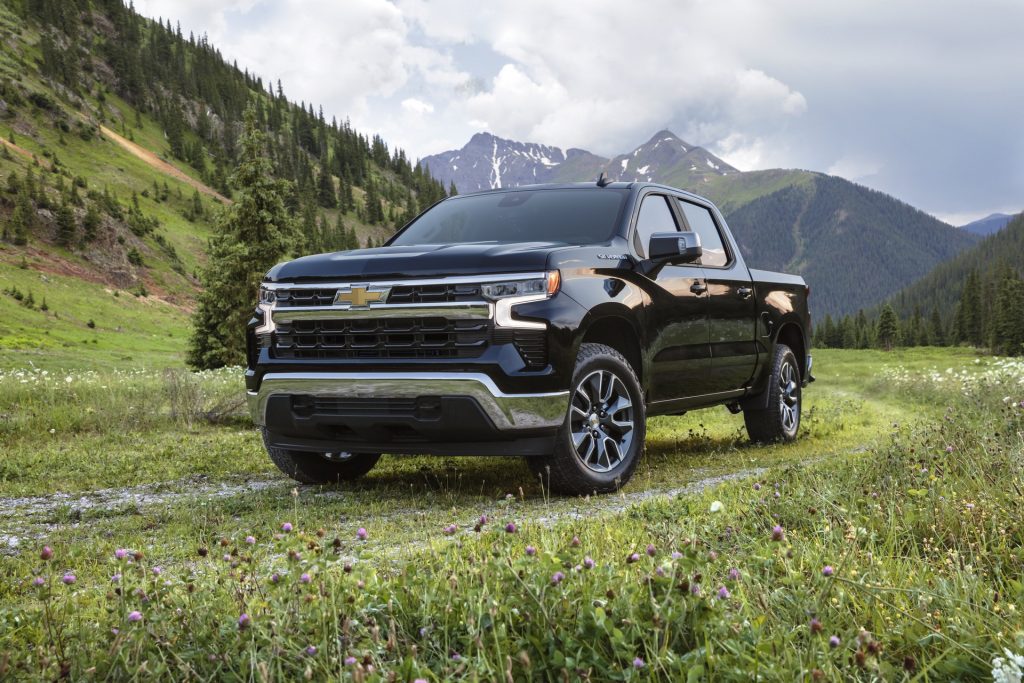
These vehicles are suffering from a recurring issue, as they may have been improperly repaired as part of a previous 2024 campaign that covered 461,839 vehicles. This is precisely the earlier recall mentioned above, and it was related to valve wear and brief wheel lock-up.
GM began an investigation last September after discovering an “issue” in its Global Field Action management system. The company wanted to determine if this issue could have allowed dealers to install incorrect software versions during the recall process.
The automaker reviewed 56 different recalls and found no evidence of incorrect software being installed. However, on January 19 of this year, an investigator discovered that some vehicles might still have been affected by the issue due to a previously unknown delay in software deployment.
It is believed that 100% of these vehicles have the incorrect software. Dealership technicians will check which version they are using and update it if necessary.
These dual recalls highlight the complexity of modern automobile manufacturing, where software is becoming as critical a component as mechanical parts. The fact that a problem with physical part wear is planned to be resolved with a software patch is a telling trend for the industry. At the same time, the story of incorrect software updates indicates that even digital fixes require careful control of the implementation process. For owners of the affected models, it is important to promptly contact official dealers, as even a brief wheel lock-up while driving can have serious safety consequences.