


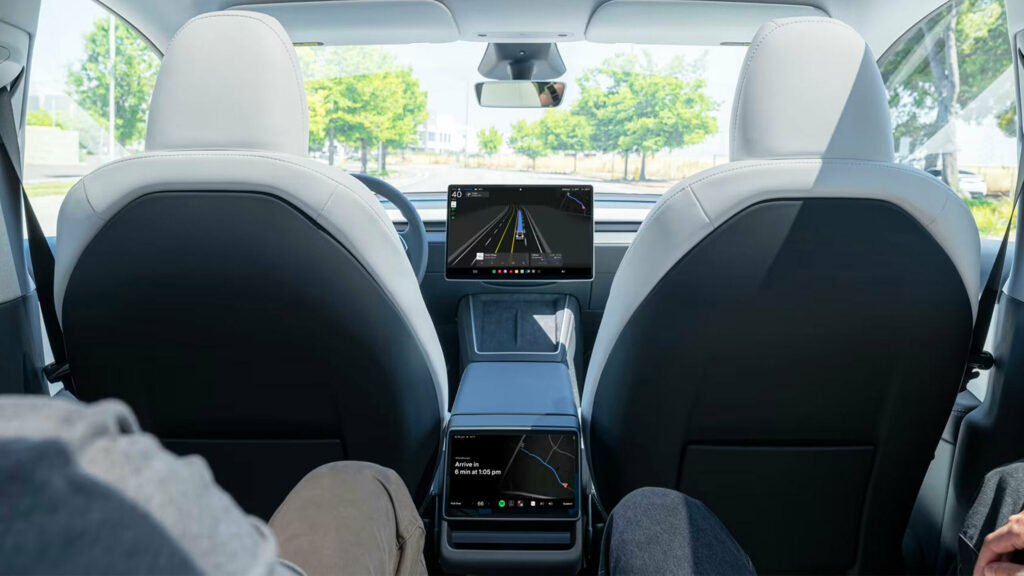
Promises and Reality: Where Are Tesla’s Million Robotaxis?
Back in October 2019, Tesla CEO Elon Musk assured investors that the company would have over a million robotaxis on the roads within a year. Six years have passed, and Tesla has not only shamefully missed this deadline, but the actual fleet of autonomous vehicles in the US continues to shrink.
The long-awaited robotaxi service was finally launched in Texas last year, starting in a fenced-off corner of Austin with safety drivers behind the wheel. The service later expanded to Dallas, Houston, and the Bay Area in California, but its scale remains minuscule compared to Waymo — a company that quietly built the leadership that Tesla only talks about.
Minuscule Number of Autonomous Vehicles
Data from the Robotaxi Tracker service shows that over the past seven days, Tesla had only 20 autonomous vehicles across all four regions. Of these, 14 operate in Austin, 3 in Dallas, and 3 in Houston. Importantly, California regulators are still blocking Tesla from operating any autonomous robotaxi in the state. And even the number of human-operated Tesla robotaxis in the Bay Area is small.
The total fleet peaked around December 2025 — January 2026 and has been steadily declining since.
Fleet Reduction and Safety Issues
According to Electrek, over the past week, the total number of vehicles operating across the entire Tesla robotaxi fleet, including both supervised and autonomous cars, was only 34. In April, there were 107 vehicles operating in the Bay Area, and now there are only 9. These cars in the Bay Area were never true robotaxis, as they operated with safety drivers under California’s charter transportation permit.
An analysis of activity over the last 30 days shows that nationwide, the robotaxi service used only 92 vehicles, of which 33 operated autonomously. Most of them, specifically 52, are used in the Bay Area. However, it is worth reiterating that these vehicles in California are driven by people, like a regular taxi service.
Tesla has not explained why its robotaxi fleet is shrinking, but it is likely related to the safety issues the company is facing. As we reported in January, vehicles operating in the Tesla robotaxi fleet were involved in incidents every 55,000 miles, which is approximately four times the average number of miles driven by humans.
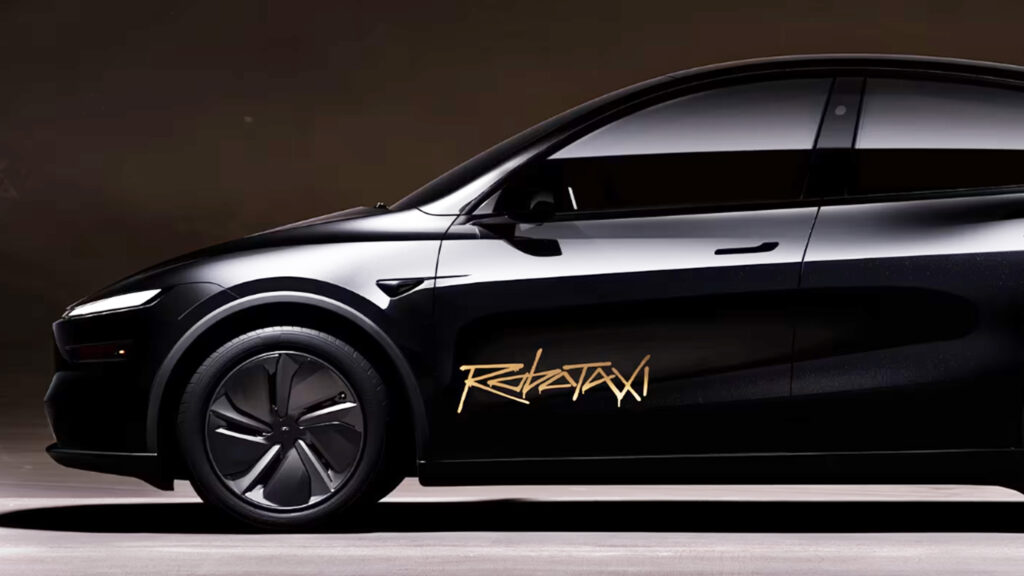

Thus, instead of the promised million autonomous taxis, Tesla currently has only a few dozen cars operating in a very limited capacity. This stands in stark contrast to the ambitious statements from management and indicates serious technical and regulatory hurdles that the company has yet to overcome. It is worth noting that even those few vehicles operating autonomously are mostly concentrated in Texas, where regulatory requirements are more lenient. California, as a key market for autonomous technology, remains closed to Tesla due to stricter safety standards. The situation with frequent incidents calls into question the readiness of Tesla’s technology for mass deployment, especially compared to competitors who are already demonstrating more stable operations.