


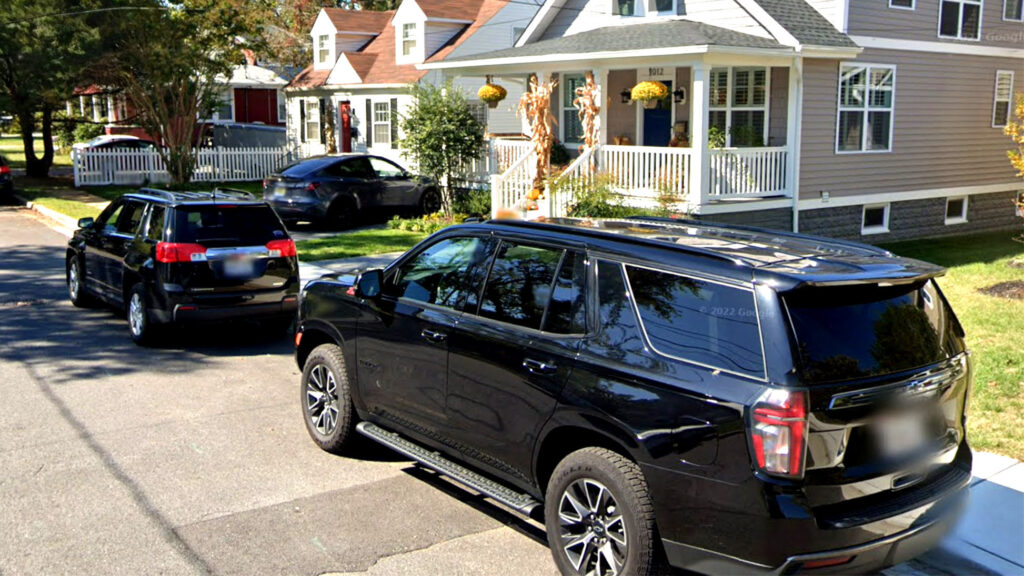
Annapolis Residents Receive Fines for Parking Near Their Own Homes
Parking near one’s own home usually doesn’t cause homeowners much concern. However, in the city of Annapolis, Maryland, the situation has changed. Local residents have started receiving $200 fines for parking where it is prohibited: in front of their own garage driveways.
Main reasons for fines:
Unexpected Fines for Long-Term Residents
Several residents of one neighborhood reported recently receiving significant fines for parking a second car in front of their own driveway. According to one resident, three neighbors in the same dead-end corner received fines on the same morning, despite having parked that way for years. Some of these families have lived there for over 26 years and have never faced such sanctions before.
The fines are divided into two types. The first is when a car parked on the street blocks one’s own driveway. The second is when a vehicle parked in the driveway protrudes onto the sidewalk.
The Problem with Modern Vehicle Dimensions
The second type of fine causes particular outrage. Many modern pickup trucks and SUVs have such dimensions that they simply don’t fit on the old suburban driveways. A full-size truck, a long-wheelbase crossover, or even a large family SUV can easily protrude onto the sidewalk by several centimeters. It turns out that this is enough to receive a $200 fine. In some cases, the fine can exceed $300.
Authorities’ Reaction and Lack of Solutions
Residents report that they have contacted local officials and the city’s parking contractor, but their complaints seem to have no effect. One resident stated that his first appeal was rejected, and the second is under consideration.
Mayor Jared Littmann explained the situation as follows: “We suspect this may be heightened in certain parts of the city due to responding to resident complaints. If you generate more enforcement on your street, there will be more of it. Not because it’s a city initiative, but because you live in a neighborhood and called. And they will look not only for the specific instance you reported, but for everything else they see while they’re there.”
No improvement in the situation is planned. Annapolis residents will simply have to be especially careful when parking. Those living elsewhere should also check what is legal and what is not before parking near their own home.
This situation in Annapolis points to a broader problem of urban infrastructure not keeping pace with changes in the automotive industry. Old neighborhood plans and parking space dimensions often do not account for the dimensions of modern vehicles, leading to conflicts between regulations and residents’ everyday needs. The story also demonstrates how complaint mechanisms can lead to unforeseen consequences when increased enforcement on one issue reveals violations in others, creating tension between the community and city authorities. Similar cases could become an impetus for revising local regulations or, at a minimum, for broader public discussion about the balance between safety, convenience, and property rights.