 by
by The Car as a Smartphone
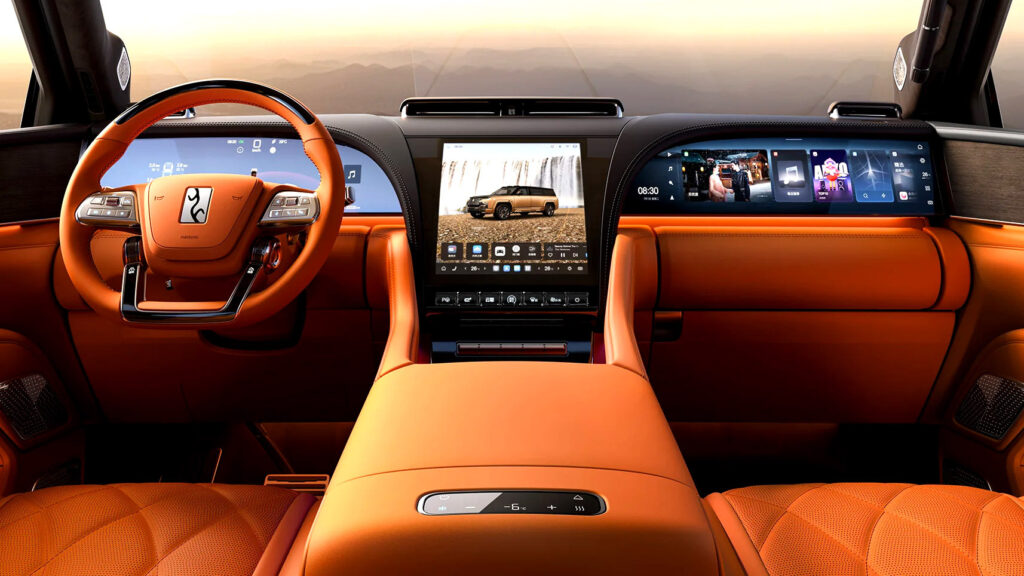
In the modern world, cars are becoming less like mechanical devices and more like technological gadgets on wheels. Their life cycle now resembles that of a smartphone update cycle. Modern vehicles are filled with screens and features controlled by software. This software can be updated, improved, and fixed with relative ease. According to one report, there is a company that understands this better than all others.
That company is none other than BYD, the Chinese new energy specialist that continues to make headlines. In this case, the company is using over-the-air (OTA) software updates to enhance vehicle performance and extend the life cycle of its models.
In mid-February, BYD released the fourth OTA update for its Han L sedan, the flagship model of the Dynasty family, which was first introduced in April 2025. The update implements an improved driver assistance system, fully powered by artificial intelligence to enhance perception and decision-making in complex traffic situations.
Installing the new features will take about two hours, and owners will be able to use them without visiting a dealership.
China’s Leadership in OTA Updates
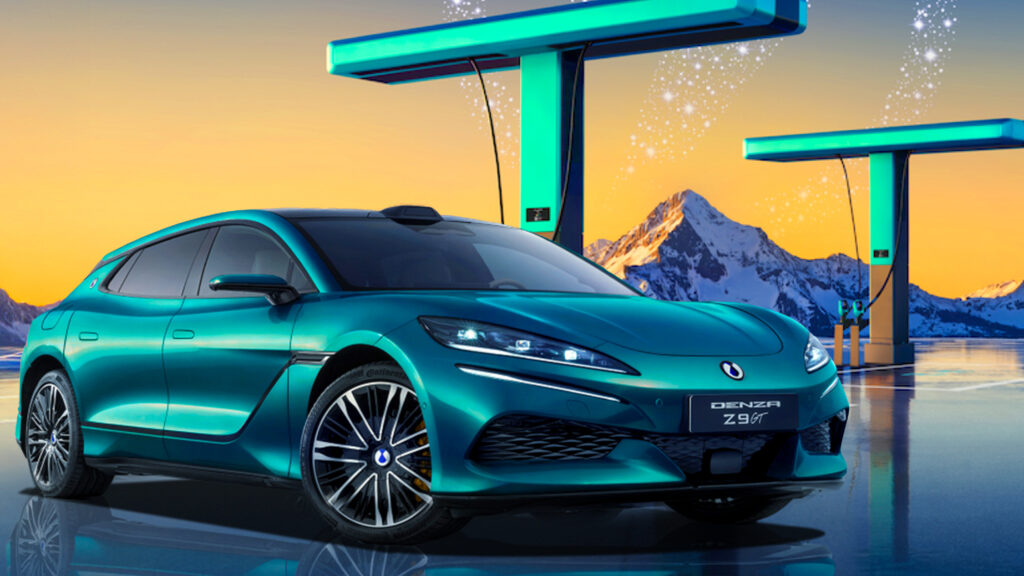
Chinese manufacturers like BYD appear to be leading in the field of OTA updates. While the concept may have been pioneered by brands like Tesla, evidence suggests that Western manufacturers are falling behind.
Previously, cars received only minor changes, often through facelifts, and even then several years after launch. OTA technology has broken this model and enabled a cycle of continuous improvements, updating cars throughout their service life, similar to smartphones.
BYD is leading these changes thanks to its proactive update strategy. In 2025, according to Nikkei Asia, the company released about 200 software updates for its Ocean and Dynasty brands. Other brands, such as Aito, created by Huawei Technologies and Seres Group, and startups like Leapmotor, have also become more productive regarding OTA updates. For comparison, Tesla had only 16 OTA updates last year. Toyota and Volkswagen did not fare better—eight and five respectively.
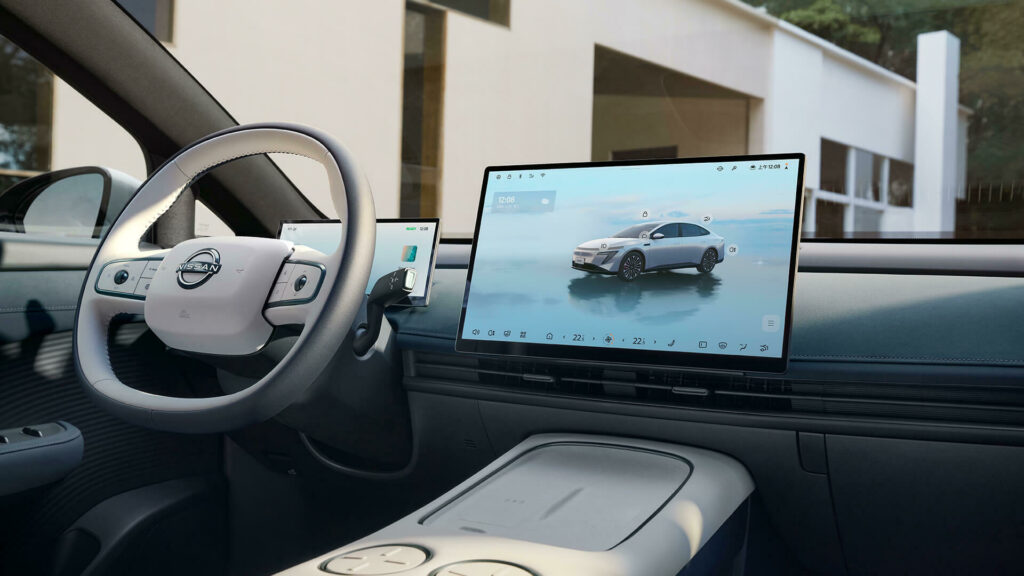
However, Nissan with its new N7 electric vehicle managed to release its first update just two months after launch, unlocking new applications and expanding voice recognition capabilities. “OTA updates must be developed even before the product launch as part of the car’s life cycle to keep up with trends,” said Isao Sekiguchi, Managing Director of Dongfeng Nissan.
There is one nuance. The N7 is not a fully independent Nissan development, but a joint project with Dongfeng Motor Corporation, built on the Chinese partner’s eπ 007 platform.
Fewer Opportunities to Monetize Updates
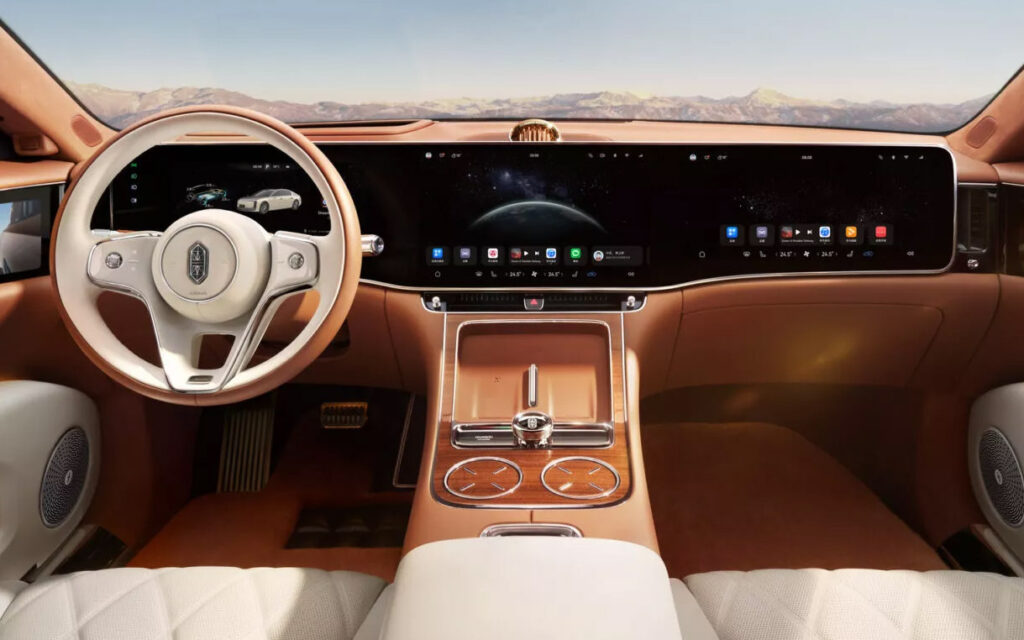
BYD’s high update speed may be explained by its vertically integrated development model, meaning the in-house design of semiconductors, operating systems, and hardware. Such control allows the company to update everything very quickly and efficiently without changing the user experience.
However, OTA updates come with an economic cost. These are not just the costs of developing and implementing each update. While extending a car’s technological relevance can increase its resale value and reduce the need for full model redesigns, OTA technology is difficult to commercialize.
In China, updates are usually free, which excludes the possibility of additional profit for the company. Instead, the industry is looking at subscription solutions like Tesla’s. XPeng is considering implementing more advanced levels of autonomous driving, specifically Level 4 technology, which could be sold as an additional service. This would mirror the strategy that Tesla already uses with its Full Self-Driving subscription in North America.
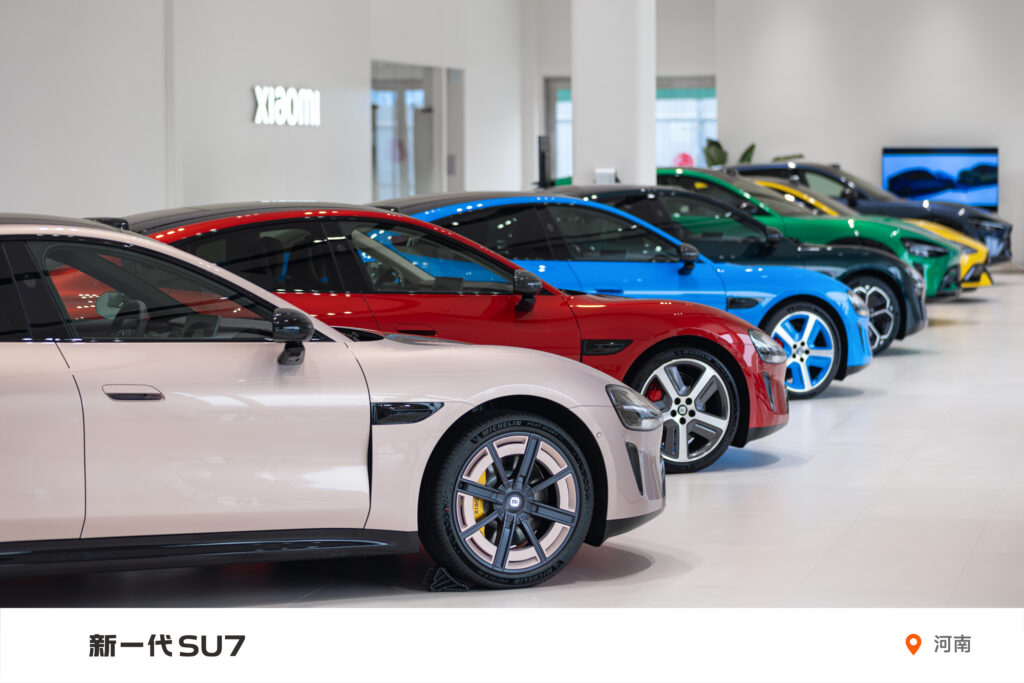
This dynamic creates an interesting paradox for the global auto industry. On one hand, the speed and frequency of updates have become a new competitive battleground, where China demonstrates a clear advantage due to flexibility and integration. On the other hand, the very business model that enables such speed—free updates for customers—raises questions about its long-term financial sustainability. The future may lie in a hybrid approach, where basic safety and functionality improvements remain free, while advanced features such as high levels of autonomy or premium entertainment come at a cost. The success of such models will depend not only on technology but also on the willingness of consumers worldwide to perceive a car as an evolving subscription-based service.