 by
by The electric vehicle market in Japan, which had long remained quite calm, is now experiencing significant shifts. For nearly fifteen years, Nissan had been the undisputed leader in this segment, largely due to the successful Leaf model. However, the situation is changing.
Change in Market Leader
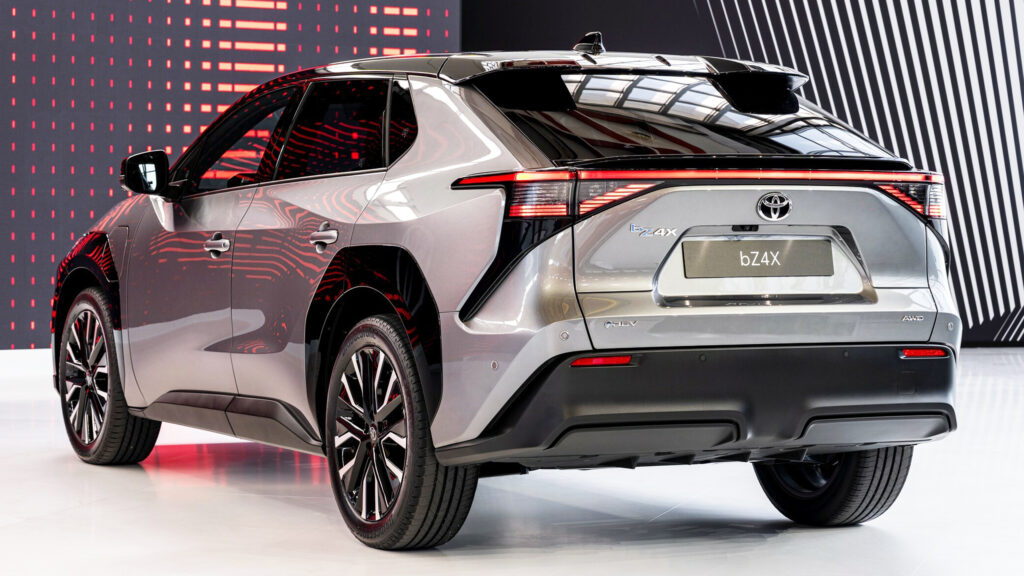
Decreased demand for Nissan’s electric vehicles and growing interest in competitors’ new models have led to a historic event. For the first time in many years, Nissan lost its position as the most popular electric vehicle brand in Japan at the end of a quarter. The leader of the fourth quarter of 2025 was Toyota.
According to the Japan Automobile Manufacturers Association, Toyota sold 3,684 electric vehicles in the domestic market in the fourth quarter of 2025. This jump became possible after the launch of the bZ4X model in October. Although this figure is still modest by global standards, it represents a thirteen-fold increase compared to the same period in 2024.
Sales of Nissan’s electric vehicles, meanwhile, fell by 56%, to 2,857 cars. Demand for the Leaf and Sakura models weakened significantly at the end of the year.
Rise of Other Manufacturers
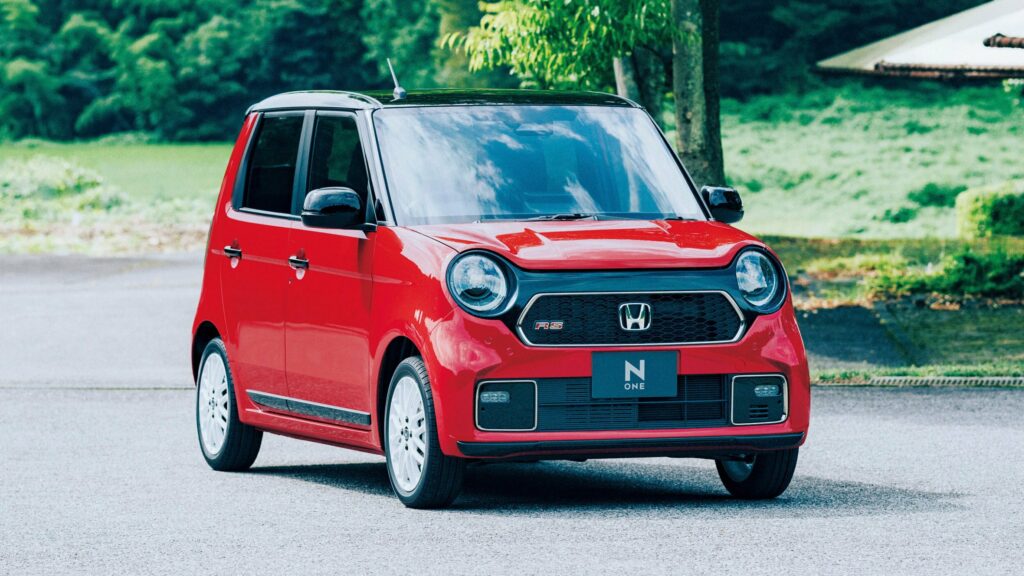
The positive dynamic was not limited to Toyota alone. Honda also showed growth, aided by the launch of the N-One e: electric minicar. With a range of up to 295 kilometers, it is now the leader in its class.
Honda sold 2,732 units in the fourth quarter, allowing it to even surpass Tesla. Sales of the American manufacturer, by the way, also grew by 62% compared to last year, reaching 2,600 cars per quarter.
Electric Vehicles Remain a Niche
Despite the growth, electric vehicles in Japan still occupy a very small market share. Currently, they account for only 1.9% of all new car sales in the country. This is the lowest rate among developed world economies.
The government is trying to accelerate the transition by offering subsidies. In 2026, qualified buyers can receive up to 1.3 million yen (about $8,300) to incentivize the purchase of an electric vehicle.
New Players on the Horizon
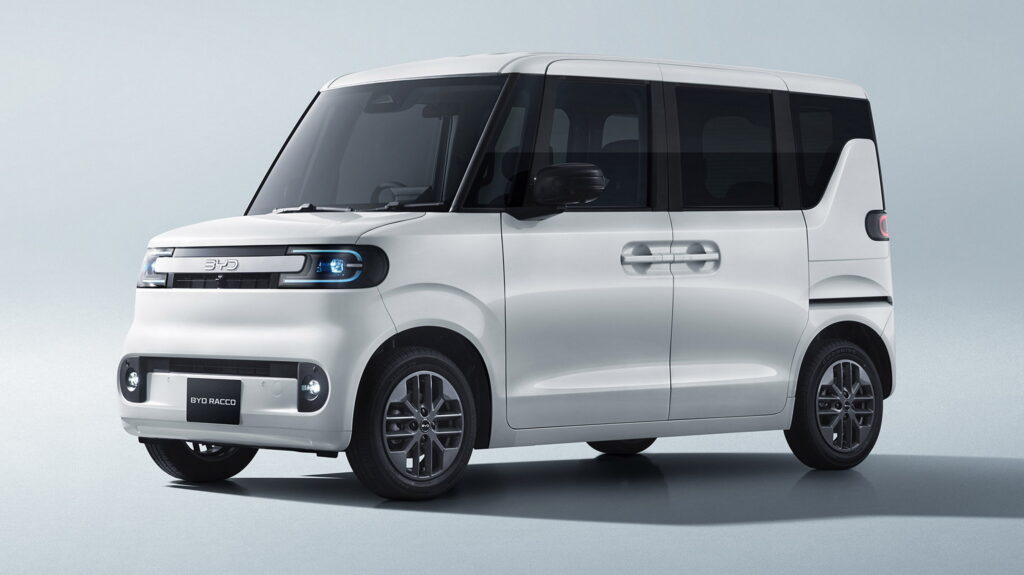
Chinese automaker BYD may soon become a serious competitor. The company recorded a 72% increase in sales in the fourth quarter, to 832 units. BYD plans to launch the fully electric kei car Racco on the Japanese market this year, allowing it to advance more actively in this traditionally difficult segment.
These changes in the Japanese electric vehicle market reflect the global trend towards diversification and intensifying competition. Nissan’s decline, despite its early leadership, shows how important it is to constantly update the model range and technologies. Government support in the form of subsidies is certainly a key factor, but the final choice lies with buyers, who are increasingly looking at new brands and models. The success of Toyota and the breakthrough of BYD indicate that the market is becoming more open to new players, which in the long term could significantly accelerate the electrification of the country’s vehicle fleet, which is still significantly lagging behind other developed countries.