 by
by Auburn May Continue Funding Surveillance Camera System
The city of Auburn in the state of Maine has become an arena for disputes between residents, police, and the private company Flock Safety. According to local reports, the authorities implemented a video surveillance system without public discussion. Now, residents and the city council are preparing to discuss allocating an additional 24 thousand dollars to support this system.
The Essence of the Conflict Surrounding the Technology
While the amount may seem insignificant on the scale of the city budget, the cameras have become one of the most controversial technological solutions implemented in Auburn in recent years. The arguments of both sides explain why this issue causes such tension.
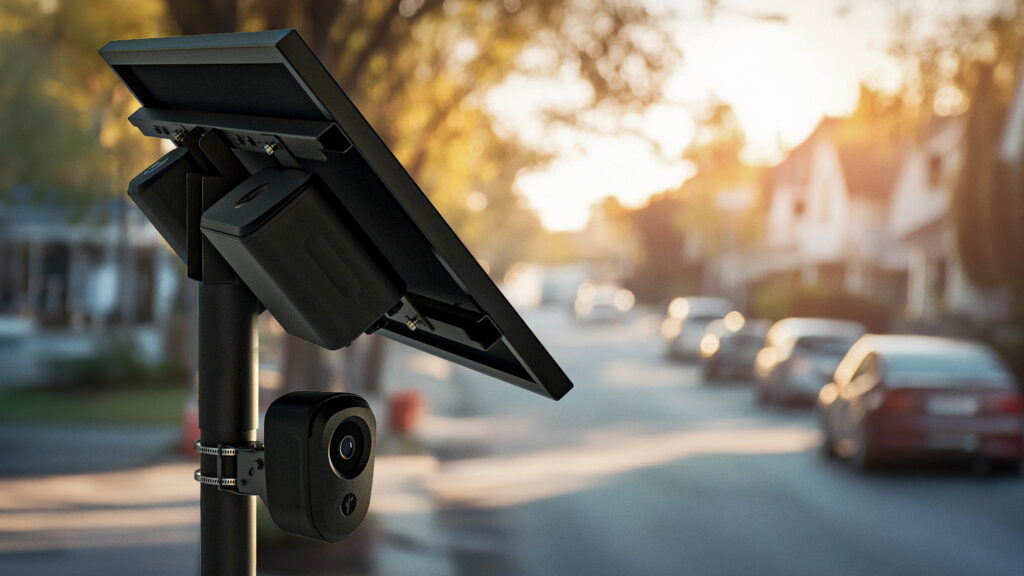
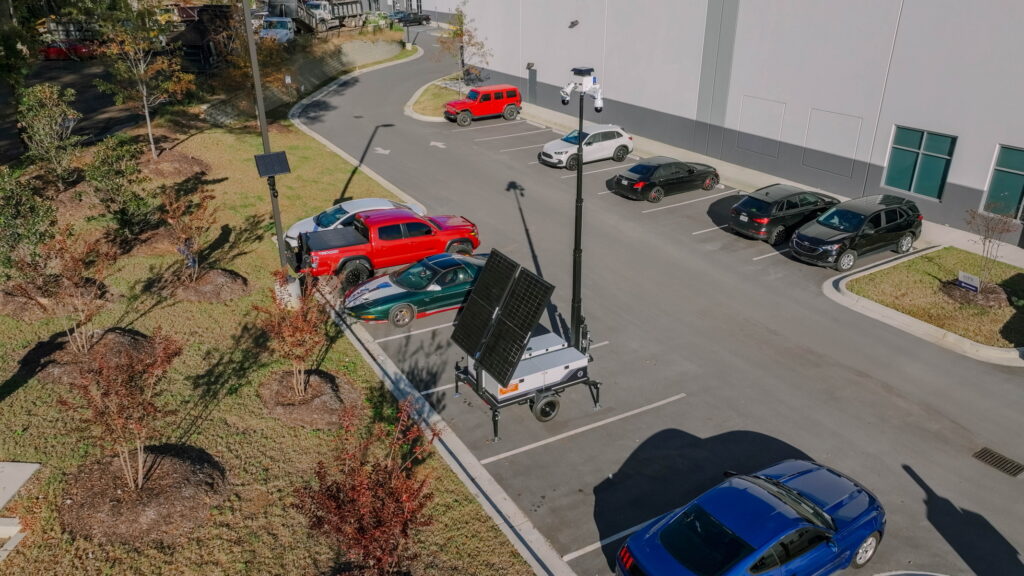
The police claim that the network of eight cameras has a clear purpose. Seven stationary license plate readers and one mobile camera were installed around August 2023 using a 25-thousand-dollar grant from the Department of Homeland Security. The city mayor supports the use of these cameras, noting that they can alert officers to the detection of stolen cars or vehicles involved in crimes.
The Company’s Position and Identified Problems
The company Flock Safety also emphasizes the positive aspects: assisting in finding missing persons, reducing shoplifting levels, etc. It is precisely such advantages that make the technology popular among law enforcement and federal agencies. However, the company does not publicize the system’s vulnerabilities.
Reports have already been published about cases of improper use of the system, revealed security problems, and instances where police departments did not comply with legal requirements for protecting data collected by the cameras. The American Civil Liberties Union warned that federal immigration services had access to Flock’s data, and this information could later end up with public data brokers. Privacy advocates are also concerned that police could use the system to search for vehicles far beyond their jurisdiction.
The Main Issue – Lack of Discussion with Citizens
State Representative Laurel Libby, who represents Auburn, points out that the main problem is that the cameras appeared practically without public discussion.
Auburn citizens were never informed that these cameras were being installed, let alone asked if we wanted them. I will be at City Council tonight at 7 PM to speak in opposition, and ask Auburn citizens to join me! This is a process that is playing out across the state and across…
The Future of the System and the Broader Context
Even if the Auburn City Council leaves the request for 24 thousand dollars in the budget, it does not guarantee that the cameras will remain. Instead, it may initiate a broader public discussion about whether small towns should trade a bit more security for less privacy. This situation in Auburn is not unique; it reflects a broader trend across the country, where surveillance technologies are often implemented faster than the legal and ethical framework for their use is formed. The decision made in this city could set a precedent for other communities facing the choice between innovation in fighting crime and protecting fundamental civil liberties. The dialogue between authorities, law enforcement, and residents becomes key to finding a balance that does not undermine trust in government institutions.