 by
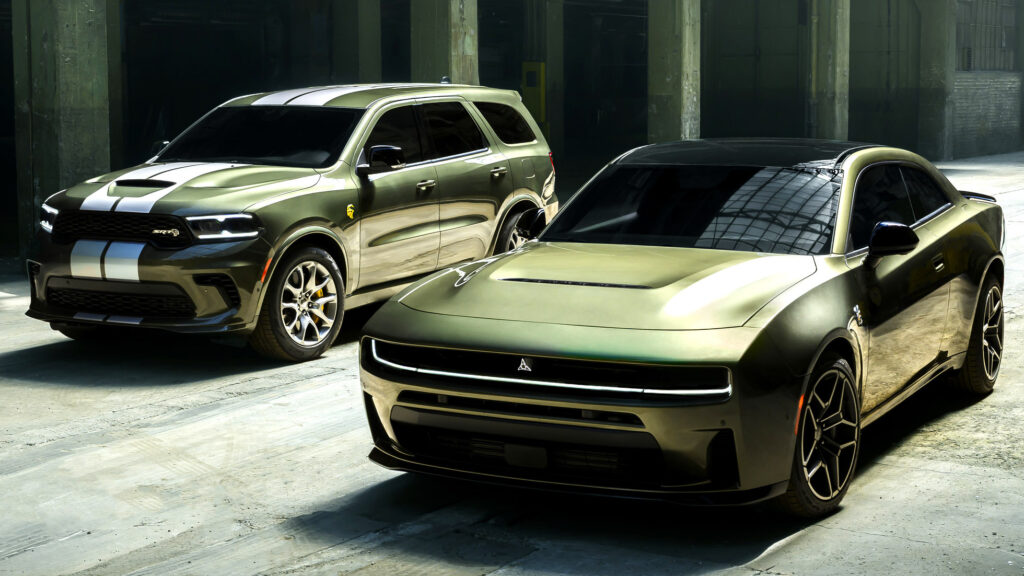
by The situation of the Dodge brand looks critical. Here are the key points illustrating its state:
The Collapse of Key Models
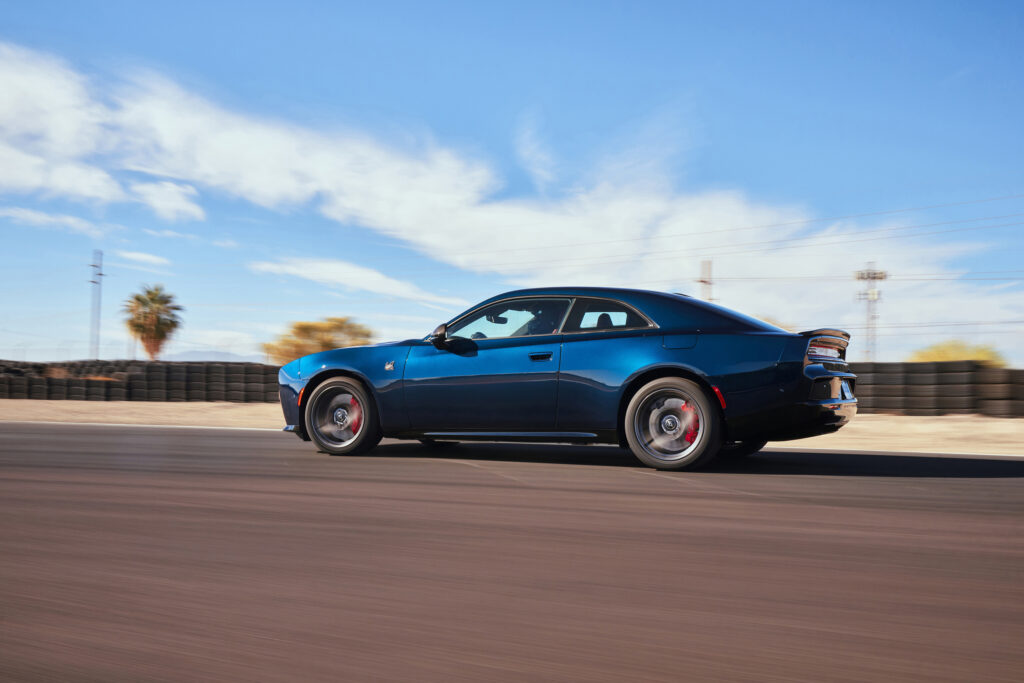
Dodge sales are plummeting, and the situation is worsening after the discontinuation of the Hornet. This model, although not a hit, found 9,365 buyers, which turned out to be a better result than the new Charger Daytona, which sold only 7,421 units. For comparison, 27,056 Challengers were sold in 2024.
Now Dodge is left with only two models in its lineup – the same number as Chrysler, which, however, outsold Dodge by 24,446 vehicles sold, despite its outdated model range.
An Uncertain Future and Stellantis’s Strategy
The prospects for Dodge look bleak. Stellantis’s massive $13 billion investment in the American market is focused primarily on the Jeep and Ram brands, leaving Dodge on the sidelines.
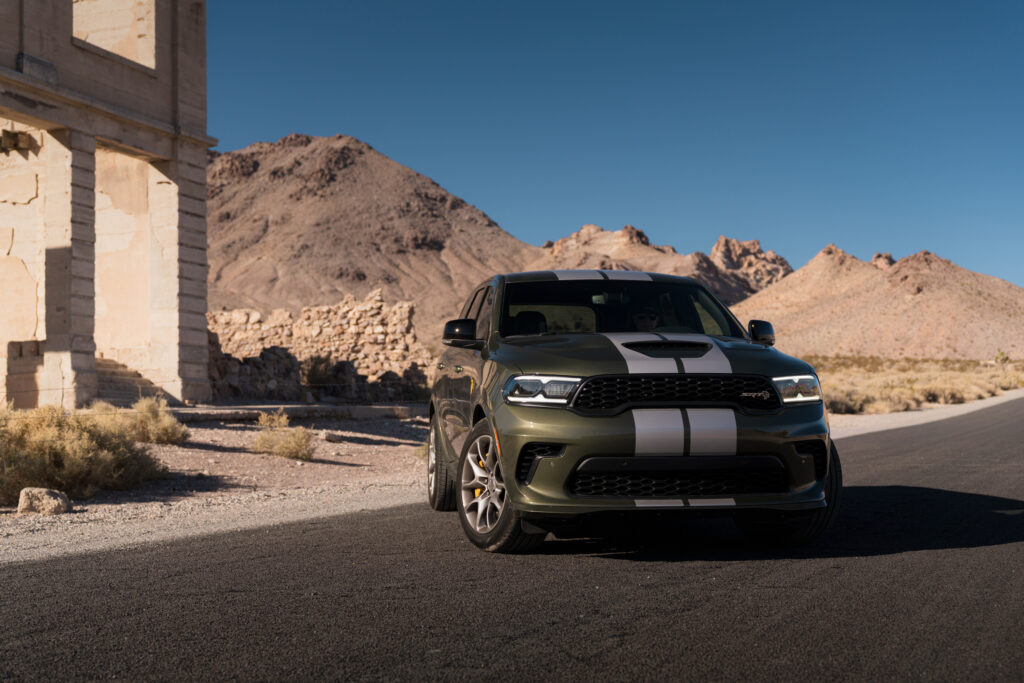
The only good news is the announcement of building the next-generation Durango in Detroit. However, its production will only start in 2029, which means the current model could remain on the assembly line for almost two decades. Interestingly, despite its age, the Durango posted its best sales since 2005 – 81,168 units, which is 37% more than before.
Paths to Saving the Brand
The question arises: how to save Dodge? The brand likely needs a truly affordable entry-level crossover. Previous attempts, such as the Hornet and Nitro, were unconvincing and were merely rebadged versions of other companies’ products.
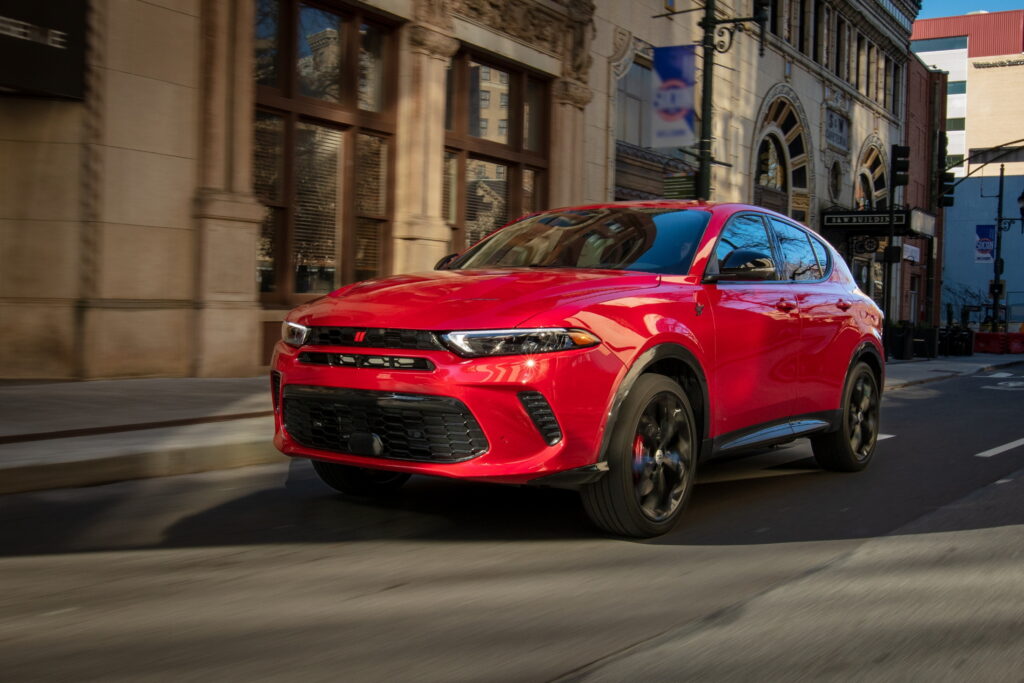
Such a crossover must be produced in North America, as importing the Hornet from Italy was a flawed idea from the start, and customs tariffs were the final nail in the coffin. A model based on the new Jeep Compass but with a distinctly Dodge character could occupy a place below the Durango, which starts at $38,495.
The Problem of Affordability and Competition
The Charger lineup will likely expand with a new SRT version, but the brand could also use a model below the R/T level, which starts at $49,995. This price is $10,610 higher than the 2023 Challenger R/T and a full $19,450 higher than the old Challenger SXT. This gap leaves many former Challenger owners with no alternative in Dodge showrooms, forcing them to look towards competitors, for example, Ford. Mustang sales, by the way, grew by 3% last year, reaching 45,333 units.
Today, Dodge stands at a crossroads. Its identity, closely tied to powerful internal combustion engines and affordable muscle cars, is blurring in the era of electrification and rising prices. The success of the Durango proves that demand for Dodge vehicles exists, but it requires a modern, targeted approach. The future of the brand will depend on its ability to offer cars that combine hereditary aggression with new market realities, without resorting to quick but ill-conceived solutions like the Hornet. Whether Dodge can find this balance by 2029, while waiting for the new Durango, remains the most important question.