


The Chrysler brand, owned by the Stellantis conglomerate, is going through difficult times due to excessive car inventories at dealers, despite an extremely limited model range.
Excessive Inventory with Minimal Assortment
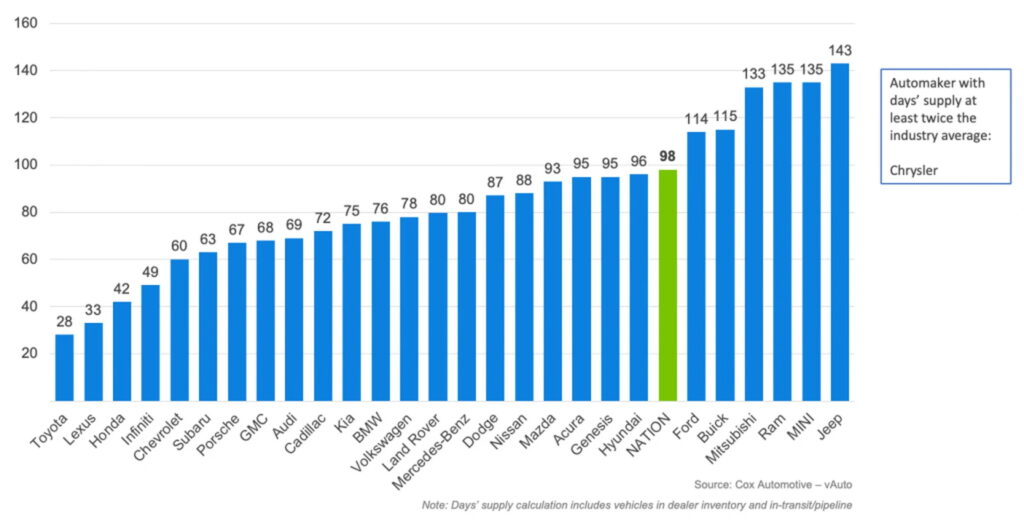
As of early 2026, the level of Chrysler car inventory at dealers is striking. According to Cox Automotive, it is more than double the current industry average, which is 98 days. This means it will take significantly more time to sell the cars in stock than the market average. The brand doesn’t even make it onto the main inventory chart, lagging behind other Stellantis brands such as Ram (135 days) and Jeep (143 days).
Chrysler’s inventory numbers exceed the industry average by more than double.
At the opposite pole are three Japanese brands with the smallest inventories in the US: Toyota (28 days), Lexus (33 days), and Honda (42 days).

The Overall Market Picture
Overall, in the US market, new car inventories in January 2026 remained relatively stable, at approximately 2.77 million units. However, a slowdown in sales pace to 845,216 units (22% less than in December) led to an increase in the national days’ supply indicator to 98 days compared to 76 days a month earlier.
Sales pace also fell by 4% compared to January 2025, although total inventories remain lower than the peak of over 3 million units recorded last year. Analysts point out that the increase in the days’ supply indicator reflects precisely the slowdown in turnover, not an expansion of warehouse stocks, which remained largely unchanged.
Strong winter storms that swept across much of the country in January likely played a role in the soft traffic at dealerships, exacerbating the typical seasonal slowdown.
The average advertised price for a new car is now $49,248, which is 2.6% less than the previous month but 1.4% higher year-over-year. These figures indicate selective price adjustments rather than a widespread reduction.
A Brand with One Model
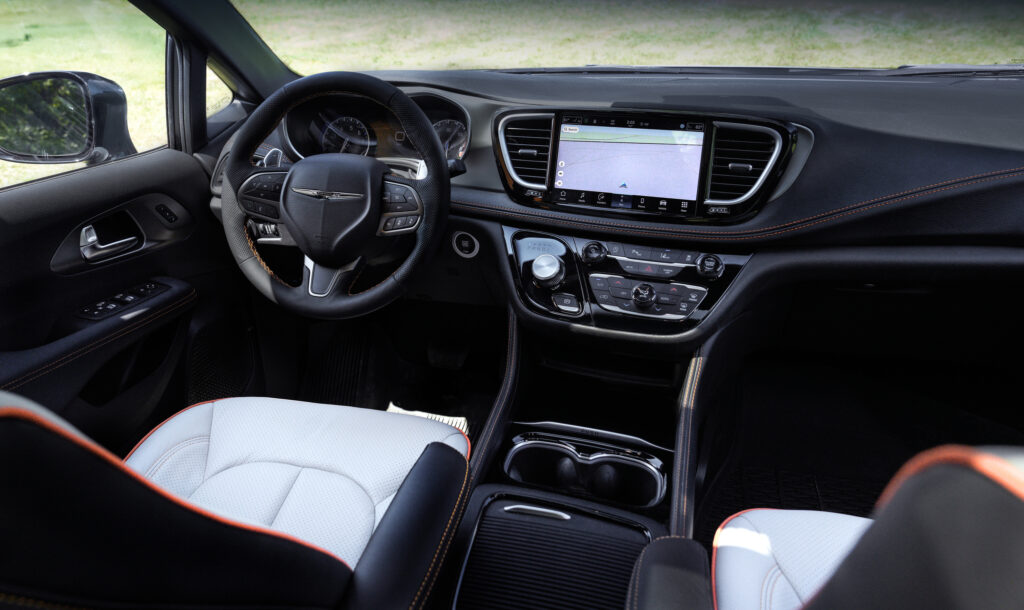

Over the past few years, Chrysler has effectively turned into a one-model brand. Technically, three cars are represented in showrooms, but all of them are variations of one minivan: the Pacifica, Pacifica Plug-in Hybrid, and the more budget-friendly Voyager.
Dealers are desperately trying to sell off inventory. Chrysler is offering a national retail bonus cash incentive of $3,500, valid until March, plus an additional bonus cash of up to $2,750. The Voyager currently starts at $41,395, the Pacifica at $44,445, and the Pacifica Plug-In Hybrid at $52,260. Buyers looking for a better deal may find unsold 2025 model year units in stock.
Last year, Chrysler sold 126,373 units of the Pacifica and Voyager, only 1% more than the 124,683 cars delivered a year earlier.
What Awaits Chrysler in the Future?
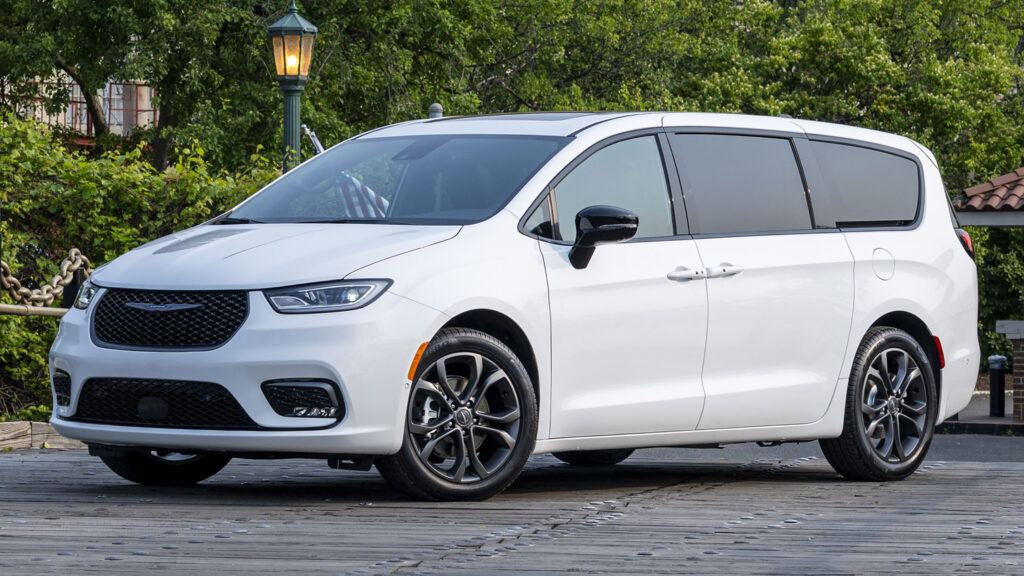

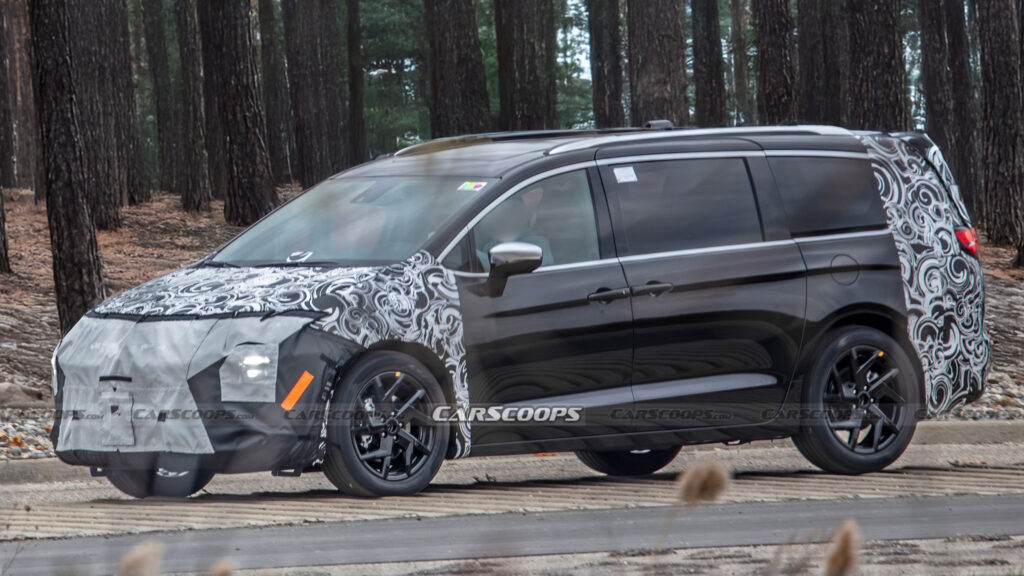
Despite current inventory problems, Chrysler is preparing a significant update for the Pacifica, with its debut expected in the first half of 2026. A camouflaged prototype with a redesigned front end and illuminated logo, inspired by the 2024 Halcyon concept car, was recently spotted in the US.
The future update is also expected to introduce a larger infotainment display and gesture-controlled sliding doors. Currently, the Pacifica is available with a gasoline V6 engine and a hybrid powertrain, but the latter is likely to be discontinued as part of Stellantis’s product strategy review. However, there is speculation that the minivan could receive the more modern Hurricane 4 turbo engine.
Those hoping for a Chrysler with a different body type will have to wait. The fully electric crossover, once planned for a 2026 debut, has now been postponed indefinitely.

The situation with Chrysler is a vivid example of the challenges faced by traditional automakers in a transforming market. The limited model range, focused not even on today’s most popular crossover segment but on minivans, makes the brand vulnerable to demand fluctuations. Inventory indicators show that even active financial incentives cannot always quickly solve the problem when the product offering does not meet broad market expectations. The success of the future Pacifica update and the possibility of expanding the lineup in the future will be decisive factors for the brand’s revival. For now, its fate remains closely tied to the fate of one, albeit once successful, family car.