 by
by The Dilemma of Tracking and Fining
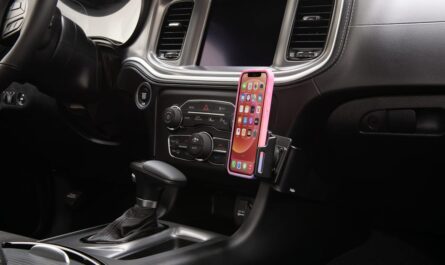
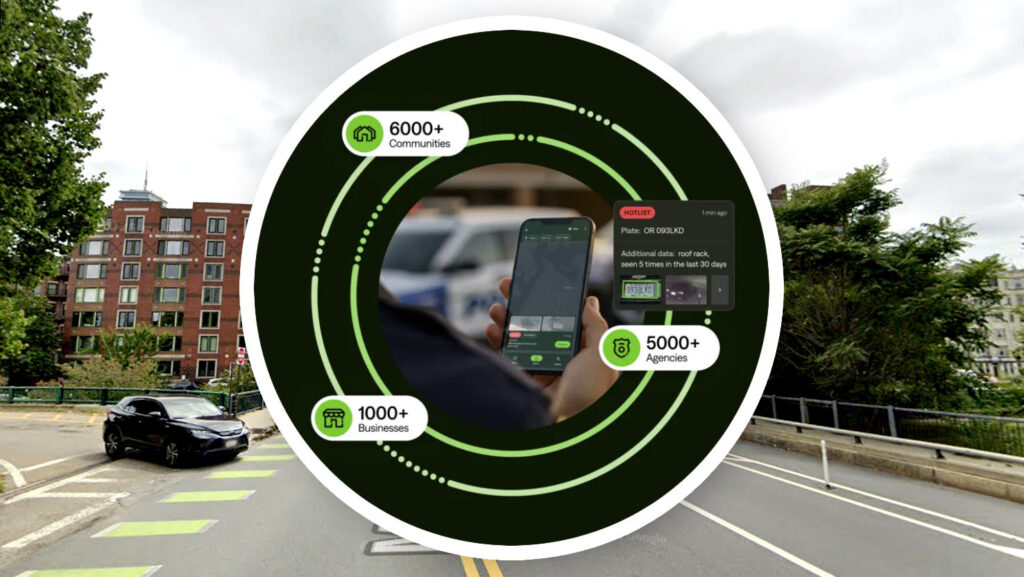
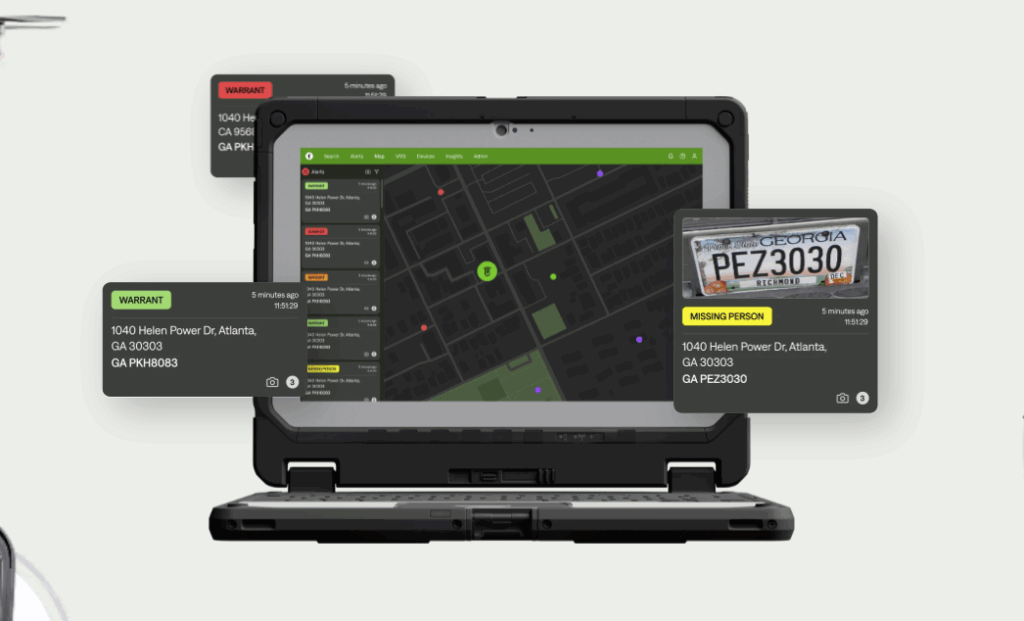
The state of Massachusetts already allows police to track vehicles using widespread automatic license plate readers. However, the state currently does not permit the use of similar technologies for automatically issuing fines to drivers who speed or run red lights. This contradiction has become a central theme of government debates.
State Representative Steven Owens spoke directly, noting that police can legally track vehicles, but cameras that record traffic violations are somehow considered “unacceptable.”
A combination of Democratic lawmakers, road safety activists, and Governor Maura Healey supports legislation that would finally introduce automated traffic enforcement in the state. Proponents argue the logic is simple: if cameras can already track where cars are going, why not use them to reduce accidents and save lives?
Proposed Plans and Restrictions
One plan allows the use of speed cameras only near school zones and active construction sites. Drivers caught exceeding the speed limit by 10 km/h or more in school zones or by 18 km/h in work zones could receive a fine from $25 to $100.
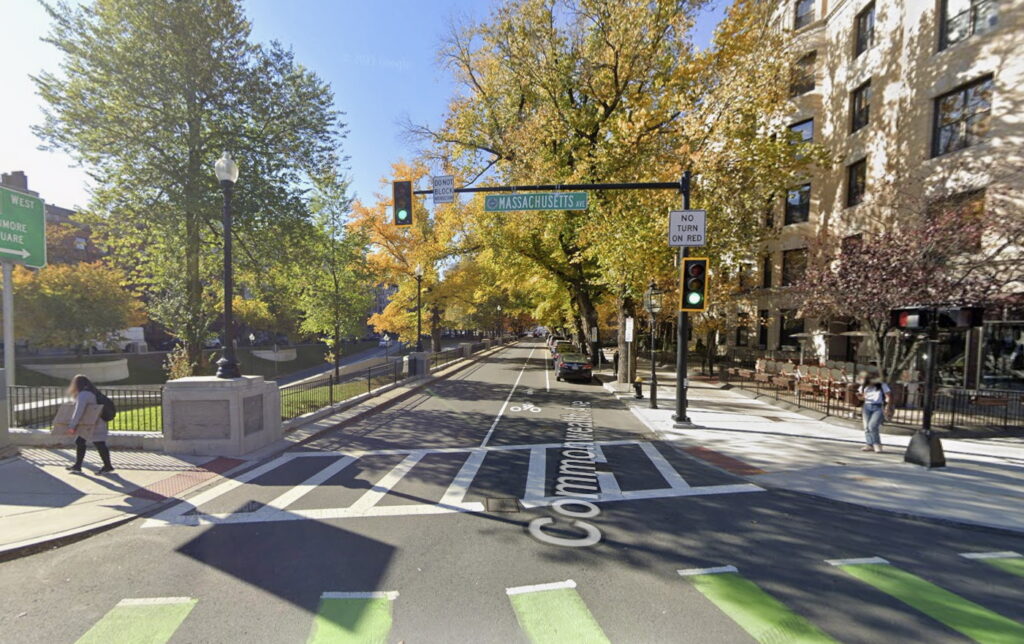
Cities will be limited to approximately one camera per 5,000 residents, meaning only Boston could install about 135 devices. More extensive bills go further, allowing cities to place cameras on any road and use them to record red-light running or intersection blocking, with fines up to $150.
Critics’ Arguments
It is clear that not everyone supports this initiative. Privacy advocates reasonably express concerns about confidentiality, data sharing, and the overall expansion of the system’s powers. They argue that without strict oversight and clear accountability requirements, camera enforcement could create more problems than it solves.
Legislators have tried to allay these fears by including specific provisions in the bill regarding exactly which photographs are taken, how they can be used in court, and requirements for data destruction after cases are closed. For now, Boston residents will have to wait to see if the road camera bills pass through the budget process. If so, it will force people to drive slower to avoid an automatic fine.
The question of balancing road safety and private life remains extremely relevant. Technologies capable of recording violations are constantly improving, posing new challenges to society regarding their ethical and legal use. The success of such initiatives will depend not only on the technical side but also on citizens’ trust in the control mechanisms and guarantees for the protection of their data. The experience of other regions shows that transparency and the justification for applying fines are key factors for public perception.