


Maryland Implements Mandatory Speed Limiters for Habitual Offenders
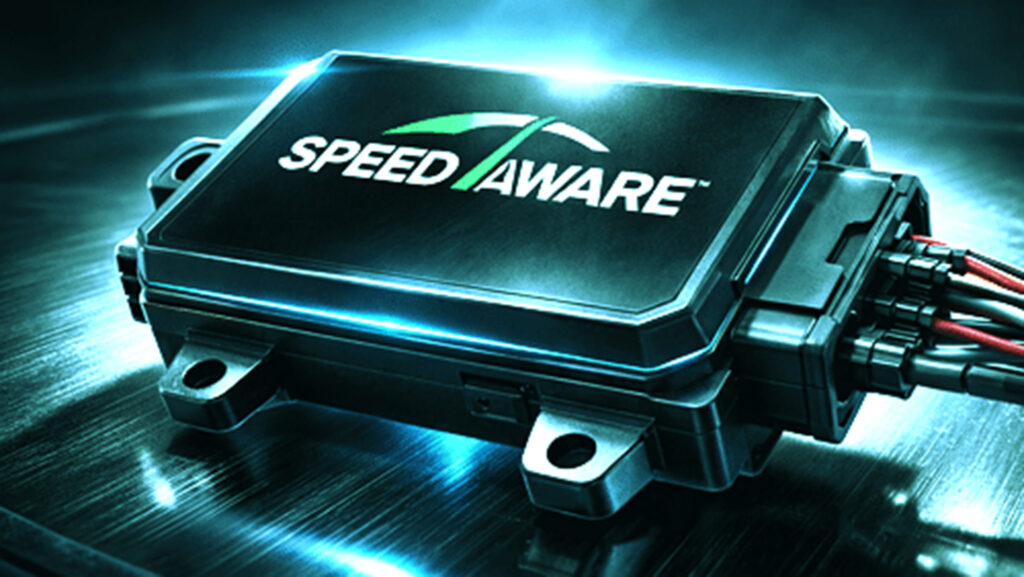
Maryland state legislators have made a decision: if drivers refuse to stop exceeding the speed limit, their cars will have to do it for them. The House of Delegates and the Senate have approved a new bill that will require a certain category of habitual offenders to install Intelligent Speed Assistance (ISA) devices in their vehicles. If a driver accumulates enough serious speeding violations, their car simply will not allow them to drive faster than the posted limit.
ISA technology is far from new. In fact, similar initiatives are already being implemented or considered in other states, including Virginia, the District of Columbia, and Washington State. Moreover, over a dozen other states are considering analogous legislation.
Who Exactly is the Law Targeting?
In Maryland, the law does not apply to everyone who gets a speeding ticket. It is aimed at drivers with a history of repeated or particularly egregious speeding violations. As reported, such drivers may be allowed to retain limited driving privileges, but only on the condition that they agree to install a special device.
This is a key element of this law. It is not aimed at those caught on a rare occasion when they slightly overdid it with the gas pedal. The focus on habitual offenders makes the law quite narrow, so the likelihood of a negative impact on a driver who is not a regular offender is very low.
Safety advocates argue that such a measure may prove more effective than simply revoking driver’s licenses. Some estimates suggest that approximately 75% of drivers with revoked licenses continue to operate a vehicle. Maryland’s new approach is based on the premise that if offenders are going to drive anyway, the state can at least ensure they cannot continue to drive at 90 mph where 45 is allowed.
The Future of the Bill
The bill has passed both chambers of the Maryland legislature and now awaits the signature of Governor Wes Moore. Given his support for other road safety measures, there is little reason to believe this law will not take effect soon.
The implementation of technologies like ISA opens a new chapter in traffic regulation, shifting the focus from punitive measures to preventive technical solutions. This raises questions about the balance between safety, freedom, and driver privacy. While the law clearly targets a small group of habitual offenders, its success could set a precedent for the broader implementation of similar systems in the future, especially with the development of autonomous technologies and related regulatory frameworks. The effectiveness of such measures will also depend on the reliability of the technology itself, the accuracy of GPS mapping data, and mechanisms to protect against potential attempts to circumvent the restrictions.