


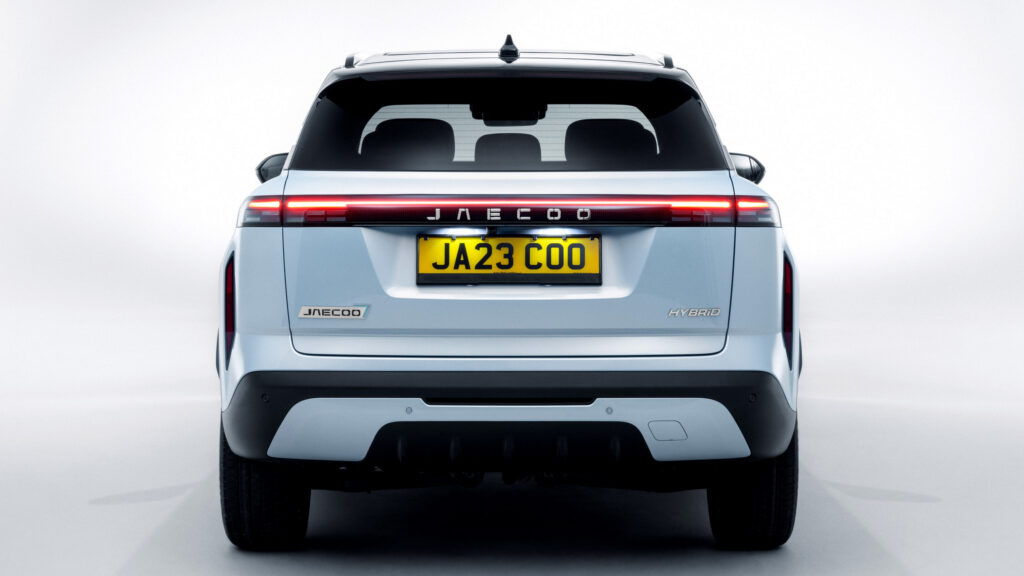
British bestseller of March: the car that insurance companies don’t want to cover
British buyers are actively choosing a new wave of Chinese cars at competitive prices, often saving thousands of pounds compared to similar models from well-known brands. However, they later discover that the cost of insurance makes such savings significantly less attractive. In some cases, insurance is simply impossible to find.
In April, BYD sold more electric vehicles than any other manufacturer in the country. March, however, belonged to Chery: their popular Jaecoo 7, nicknamed the ‘Temu Range Rover’ due to its resemblance to the products from Solihull, became an absolute bestseller in the UK with 10,064 units sold. The model is available in both hybrid and petrol versions.
Why are insurance companies refusing to cover Chinese cars?
The problem was revealed in a CarWow study, which showed that many insurers simply refuse to insure new Chinese models. The reason is that they need time to accumulate data on repairs, long-term claims history, and establish stable supply chains for spare parts.
The publication contacted five different insurance companies for quotes on the Jaecoo 7, Xpeng G6, Skywell BE11, and BYD Seal U for a 27-year-old male. One of the insurers, Axa, refused to offer coverage for any of these Chinese SUVs. Hastings Direct agreed to insure only the BYD, while Direct Line refused to cover two models. The only company that agreed to insure all four cars was Aviva.
How much extra will you have to pay?
The problem lies not only in the availability of insurance but also in its cost. For example, the average insurance price for the Jaecoo 7 was £1,103 (about $1,500) per year. This is almost twice as much as the average £577 ($770) for a Skoda Karoq. Additionally, insuring the Xpeng G6 cost £936 ($1,250), significantly exceeding the average for its competitor, the Hyundai Kona, at £639 ($850), reports The Guardian.
Chery is working on solving the problem
“Getting insurance quotes for new Chinese models is still more difficult than for more established European and Japanese equivalents,” said Ian Reid from CarWow. “On paper, Chinese cars cost an average of £901 ($1,200) a year to insure — roughly £255 ($340) more than equivalent petrol models at £646 ($860). But the main issue isn’t just the price, it’s the availability.”
According to Oliver Lowe, head of product for the Omoda and Jaecoo brands owned by Chery in the UK, the automaker is working with insurance companies to reduce costs.
“Everything that is based on risk changes and adapts slowly to new challenges. This is completely understandable. For them, it’s a risk. We have a team of experts working on all fronts to reduce these insurance costs.”
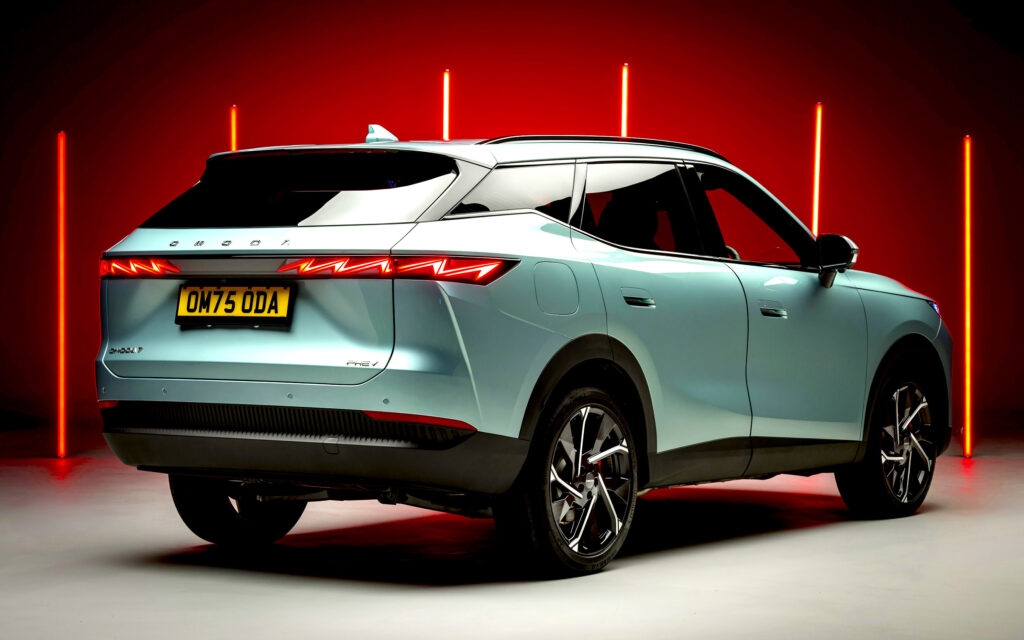

The situation in the British market shows that the rapid growth in popularity of Chinese cars is facing objective difficulties. Insurance companies, which traditionally rely on years of statistics, are struggling to keep up with the pace of new model releases. This creates an additional financial burden for buyers who initially rejoice at the low car price but are later forced to pay significantly more for its insurance. While Chery and other Chinese manufacturers are trying to solve this problem, potential buyers should check the cost of insurance in advance to avoid unpleasant surprises. This could also affect overall demand, because if the costs of car ownership turn out to be too high, some buyers may return to more traditional brands.