 by
by A Future for Sedans and Wagons
Although Volvo’s current lineup is dominated by crossovers and SUVs, the company has plans for those who love sedans and wagons. According to the Swedish automaker, the new SPA3 platform, introduced on the EX60, offers the flexibility to create low-slung cars.
This new architecture is designed so that battery capacity no longer dictates the vehicle’s height. This is a key difference from the SPA2 platform used in the EX90 and ES90, which is an adapted version of an internal combustion engine (ICE) platform.
In an interview with Autocar, Volvo’s Chief Technology Officer Anders Bell explained that SPA3 allows future electric vehicles to maintain width and height close to their gasoline counterparts. There’s no need to stretch dimensions just to accommodate large batteries, which avoids sacrificing interior space.
Technical Advantages of the New Architecture
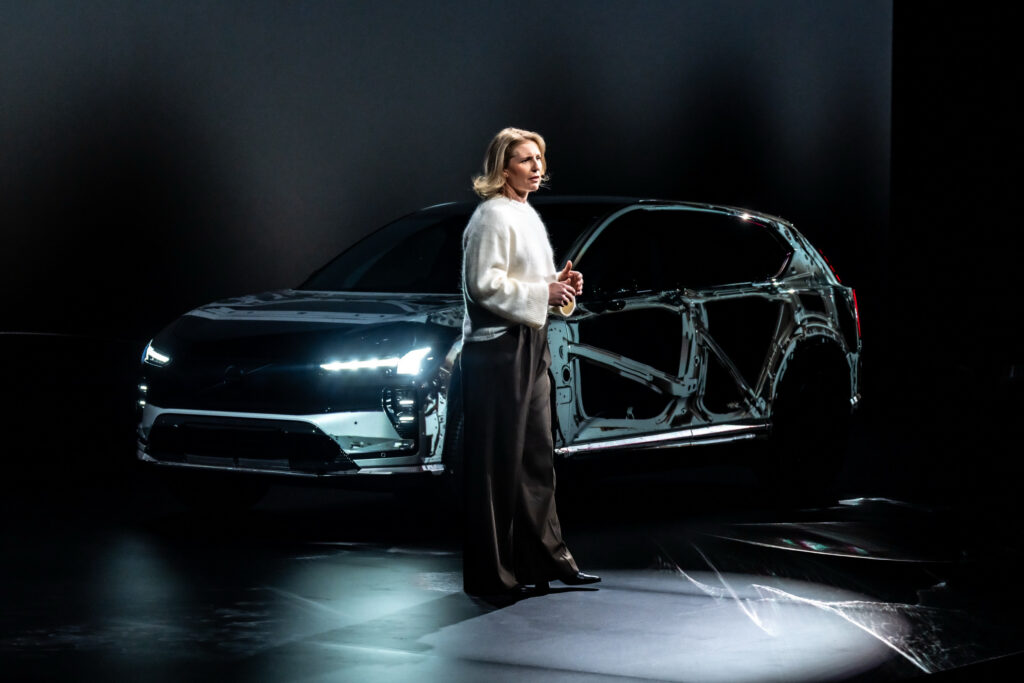
Bell added that over 7 kWh of battery capacity can be moved forward, in front of the front wheels, opening up more possibilities for weight distribution and design flexibility.
This flexibility is the result of a complete rethinking of the platform’s fundamentals. “We can make [cars] tall. We can make them low,” Bell said. “It’s all about scalability, and that is unlocked by removing the internal combustion engine, exhaust system, fuel tanks, and everything else from the equation, as well as finding new ways to build the base structure and scale the platform.”
Unlike adapted ICE platforms, which force battery packs to be located exclusively between the axles, SPA3 gives designers more freedom. Elements can now be placed forward, utilizing more of the underfloor area, without sacrificing crash safety or vehicle dynamics.
New Design Possibilities
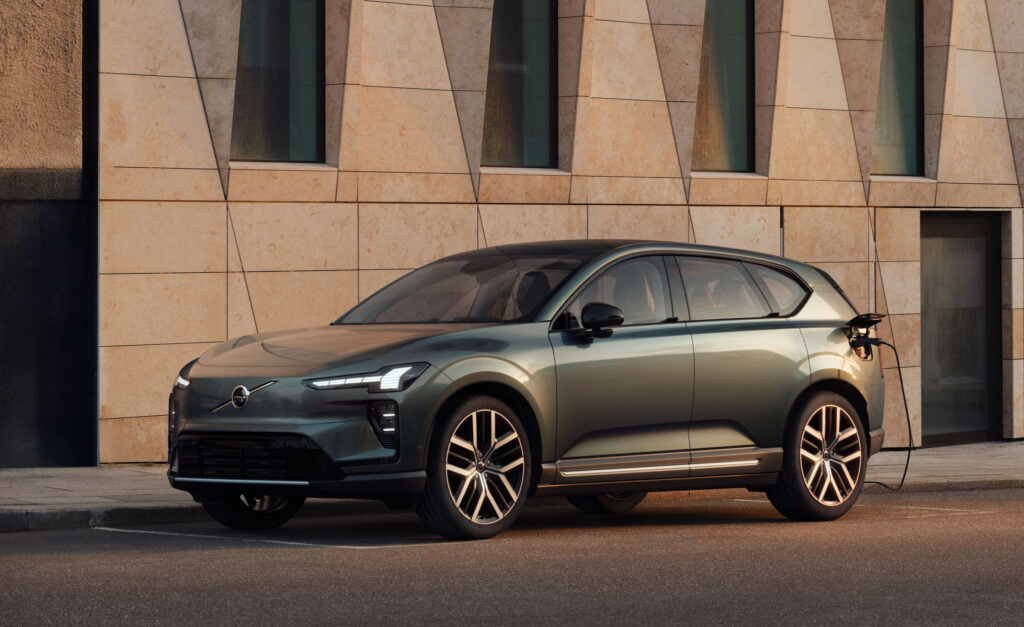
This means that “in a lower car, you can reduce the number of elements in the rear passenger area, which is what typically dictates the minimum height of a car: rear passenger comfort.” He noted that many current EVs based on ICE platforms look like compact SUVs because the cars have to be raised to accommodate a flat battery pack between the wheels.
By moving modules forward, Volvo also creates space for what Bell calls “foot garages.” Similar to those in the Porsche Taycan and Audi E-tron GT, these recessed floor areas allow for a lower seating position. The result is an EV interior that feels more like a traditional car, with a lower roofline and more natural driver ergonomics.
According to Bell, the new architecture gives Volvo the ability to build practically anything. “We can make low ones. We can make sleek ones. We can make tall ones. We can make minivans… Everything is in the recipe book. What we choose to implement is another story.”
Potential New Models
While Volvo is not revealing exactly which low-slung models might be in development, Bell confirmed they can now create cars that are “very low, truly low,” adding: “you can achieve this fantastic range so we can make extremely sleek cars, as if the battery pack doesn’t affect the roof height at all.”
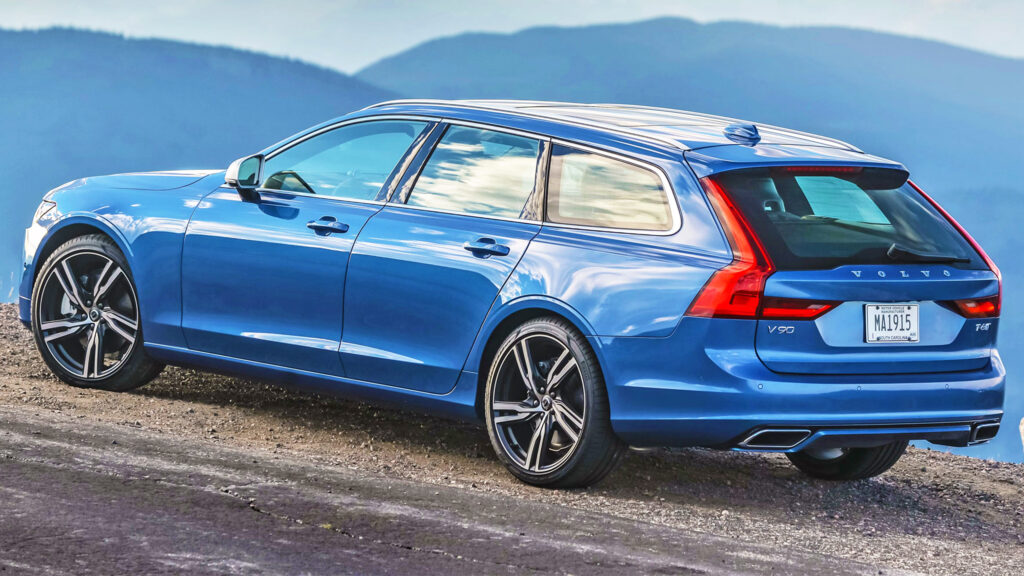
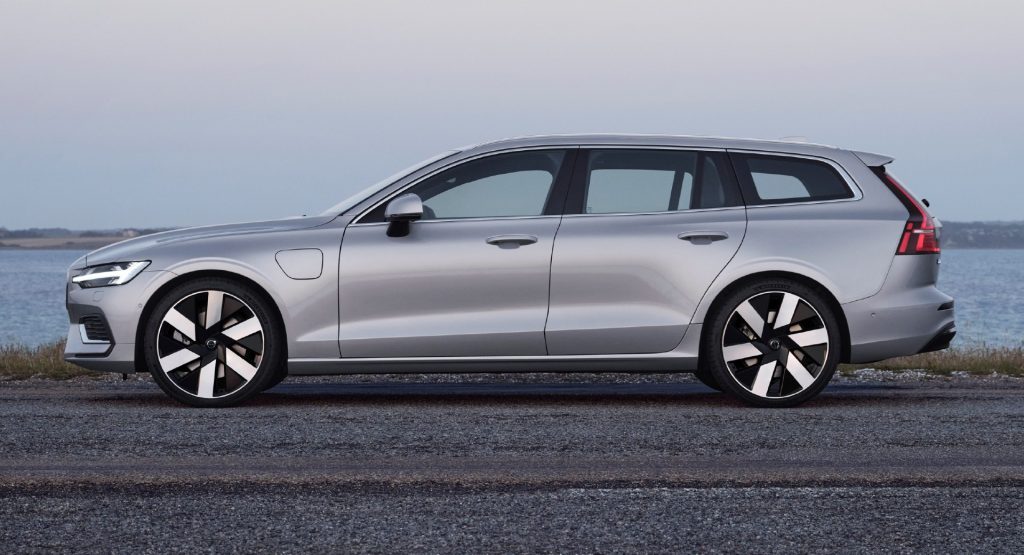
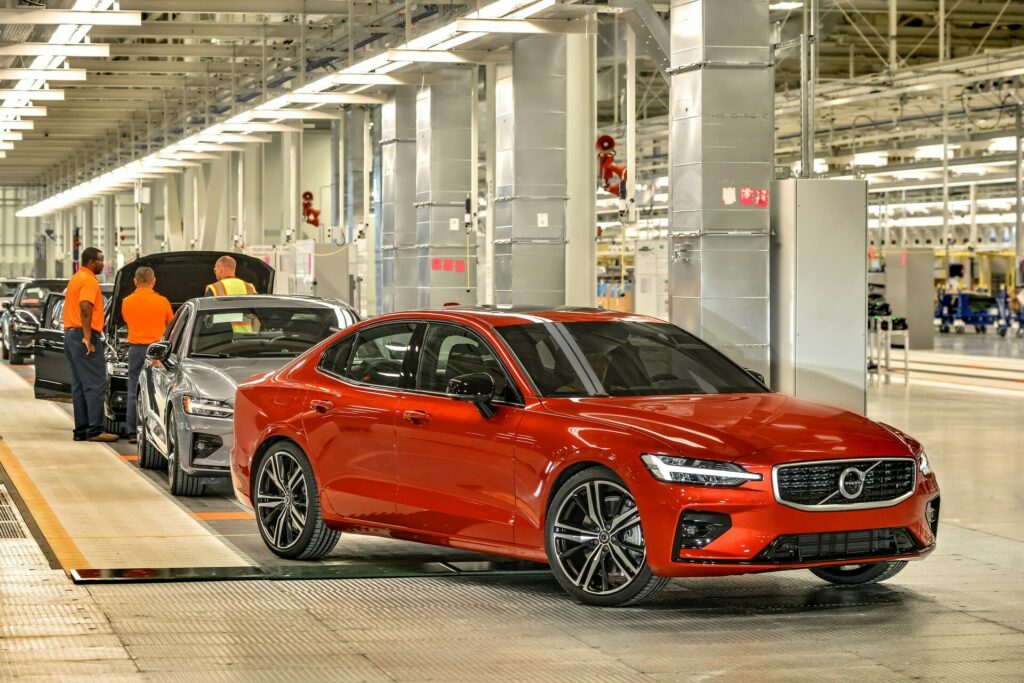
In theory, this could mean electric versions of sedans like the S60 or S90 have become possible, as well as wagons like a new V60 or V90. Such models could look much more attractive than the current ES90, which is currently Volvo’s closest thing to an electric sedan but actually has crossover height due to the use of ICE-derived components.
The transition to a dedicated electric platform is often seen as a key step for automakers, allowing them to fully realize the advantages of electric propulsion. Volvo’s SPA3 not only confirms this thesis but also places special emphasis on preserving the brand’s characteristic design. The ability to create low and aerodynamic body styles, such as wagons that have always been part of Volvo’s DNA, points to a strategy aimed not only at the mass market of electric crossovers but also at loyalty to the brand’s traditional values. This could become an important competitive advantage in the premium car segment, where many buyers still value the classic proportions and dynamic qualities inherent in conventional passenger cars, not SUVs.