


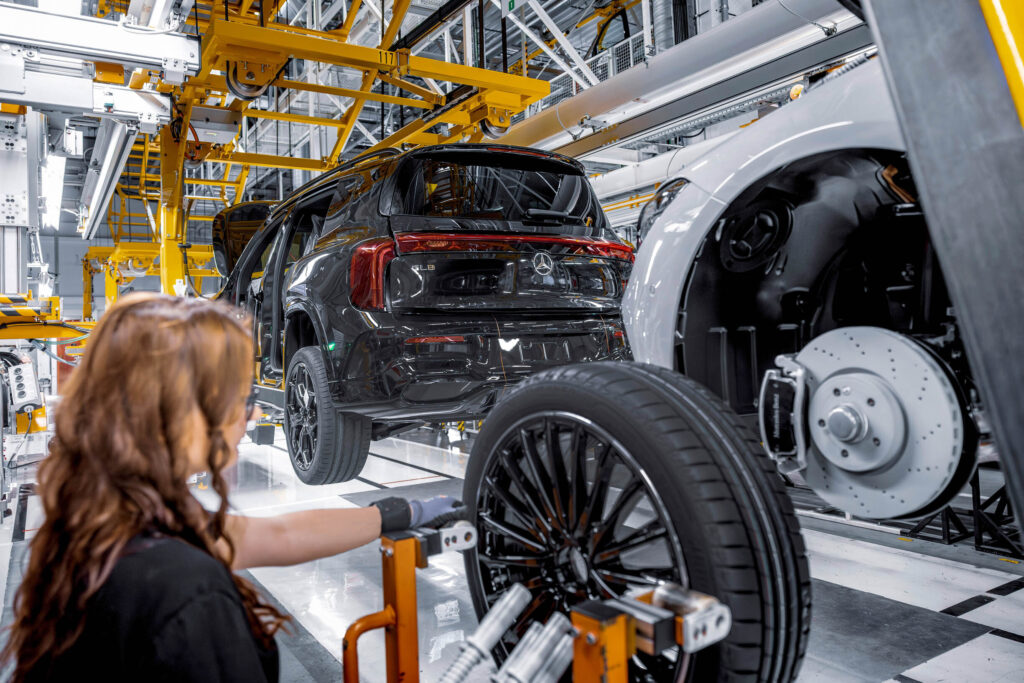
Mercedes Relocates Production to Hungary: 70% Cost Savings
Mercedes-Benz often emphasizes that the automobile was invented in Germany, but today building cars there is becoming increasingly expensive. The manufacturer is actively expanding capacity in Hungary, where production costs are reportedly 70% lower, while demanding more output from German workers without increasing pay.
The plant in Kecskemét has doubled its annual capacity to 400,000 vehicles, becoming Mercedes’ largest European production site and the second largest in the world after the plant in Beijing. Currently, the Hungarian facility employs about 5,000 people and is hiring another 3,000. At the same time, in Germany, the company is cutting jobs and production capacity.
By the way: Mercedes electric vehicle sales rose by 28%, while the brand’s total volume declined.
Why Hungary Is More Competitive?
It’s easy to understand the appeal. Mercedes calculated that production costs in Hungary are 70% lower compared to Germany. According to Eurostat, the cost of an industrial labor hour is €49.50 ($56.60) in Germany versus only €15.60 ($17.80) in Hungary. Hungarian workers also work significantly more hours per year due to fewer public holidays and a 40-hour workweek, while German auto workers have had a 35-hour workweek since the mid-1990s.
Hungary Gets the Best Models
Kecskemét is no longer receiving only budget models as it did initially. Now they assemble the C-Class alongside the GLB, and the compact G-Class will be produced exclusively in Hungary. Production of the GLC — Mercedes’ most popular model line — is also planned.
In Germany, the mood is quite different. Recently, about 18,000 workers protested after Mercedes intensified its cost-cutting plans. Management wants to reduce labor costs: proposals include reviewing special payments and demanding greater productivity from workers for the same money.
Mercedes is not alone in this. Volkswagen is also reducing its reliance on German plants. Production of the Passat has already been moved to Slovakia, and the European Golf will be built in Mexico starting in 2027.
Porsche Believes Location Matters
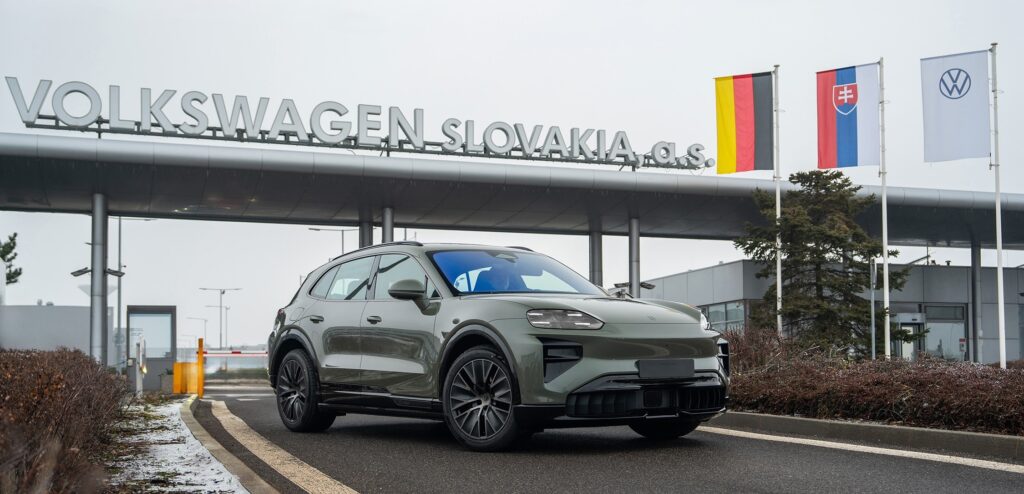

However, Porsche offers an interesting counterargument. Despite its own issues with profits, sales, and loss of influence in China, the company is considering moving production of the Cayenne from Slovakia to Leipzig, where the smaller Macan is already built. New CEO Michael Leiters believes that German production remains a central element of what buyers expect from Porsche.
“We have to reinvent ‘Made in Germany’ and prove ourselves,” Leiters said in June. “Ultimately, that will determine whether we are successful.”
But there is a major caveat. Bringing the Cayenne home depends on German workers agreeing to lower pay, and Porsche could cut thousands more jobs by 2035.
What’s Good for Hungary Is Good for Germany
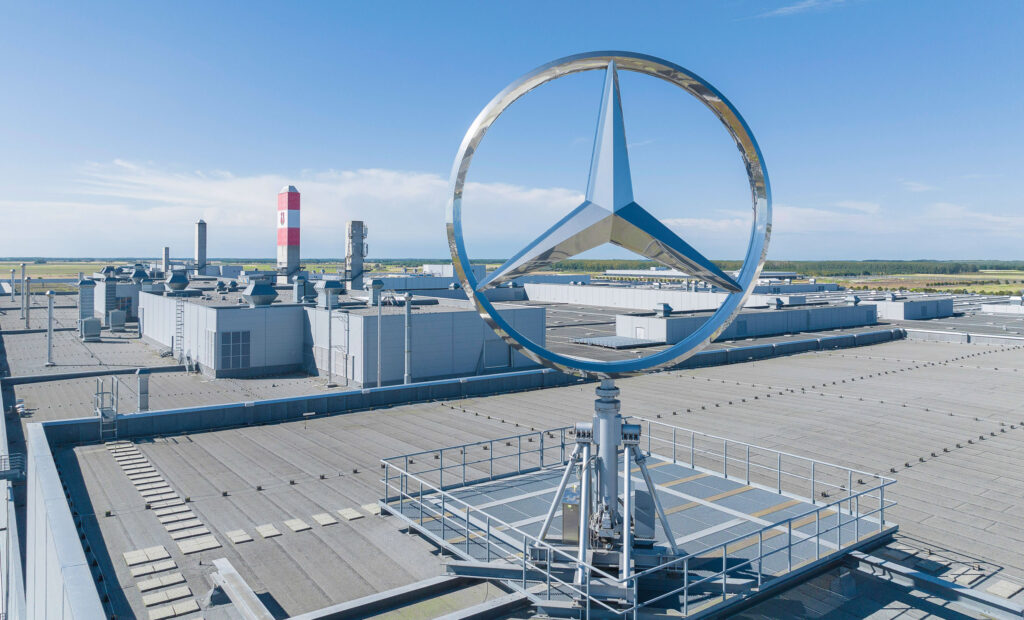

Mercedes claims that expansion in Hungary ultimately strengthens the entire company. Production director Michael Schiebe stated that such growth “helps us preserve jobs in Germany.”
“This is not about Hungary versus Germany,” Schiebe emphasized.
However, given the pressure on German automakers due to falling profits and increasingly fierce competition from Chinese companies, the central question becomes ever more pressing: how much is ‘Made in Germany’ really worth, and who is willing to pay for it?
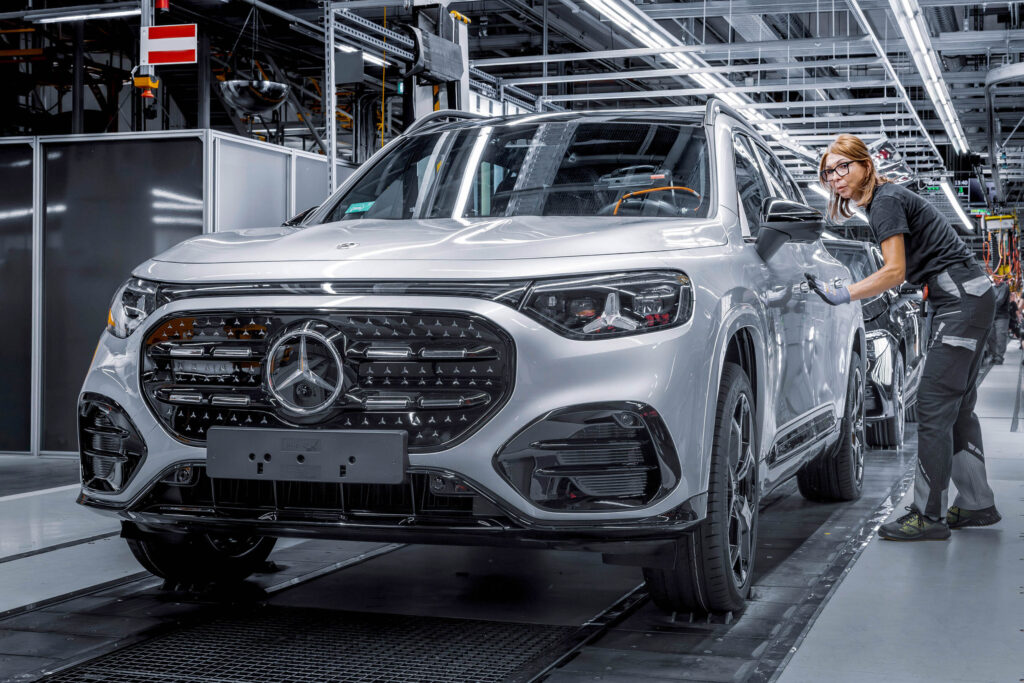

This strategy by Mercedes reflects a global trend: manufacturers are seeking cheaper locations to remain competitive, especially against the rapid rise of Chinese brands that offer low costs and quick market entry. At the same time, Porsche’s decision to keep production in Germany is a bet on a premium image and customer loyalty—buyers willing to pay more for ‘German quality.’ However, this path is risky, as it requires concessions from workers, and competition from the East will only intensify. Ultimately, the German auto industry finds itself at a crossroads: cost optimization abroad or maintaining local production with all its advantages and drawbacks.