 by
by Prices for new cars in the US continue to rise, but for electric vehicles, the opposite trend is observed. Here are the key takeaways from the latest data:
Narrowing the Gap Between EVs and ICE Vehicles
For those considering an electric vehicle as a way to avoid expensive fuel costs but are intimidated by the high initial price, there is good news. The cost gap between electric and gasoline-powered cars has shrunk to the smallest level ever. While a $5,800 difference is not small change, it is significantly less daunting than before. For drivers who travel a lot, this difference can be offset by fuel savings.
Falling EV Prices and the Role of Incentives
Prices for new electric vehicles fell by 2.8% compared to last year, to $54,508, marking the third consecutive monthly decline. This is not happening by accident. Automakers are showering buyers with incentives like confetti. Discounts on electric vehicles average 14.6% of the transaction price.
Automakers are providing buyers with incentives like confetti, discounts on electric vehicles average 14.6% of the transaction price.
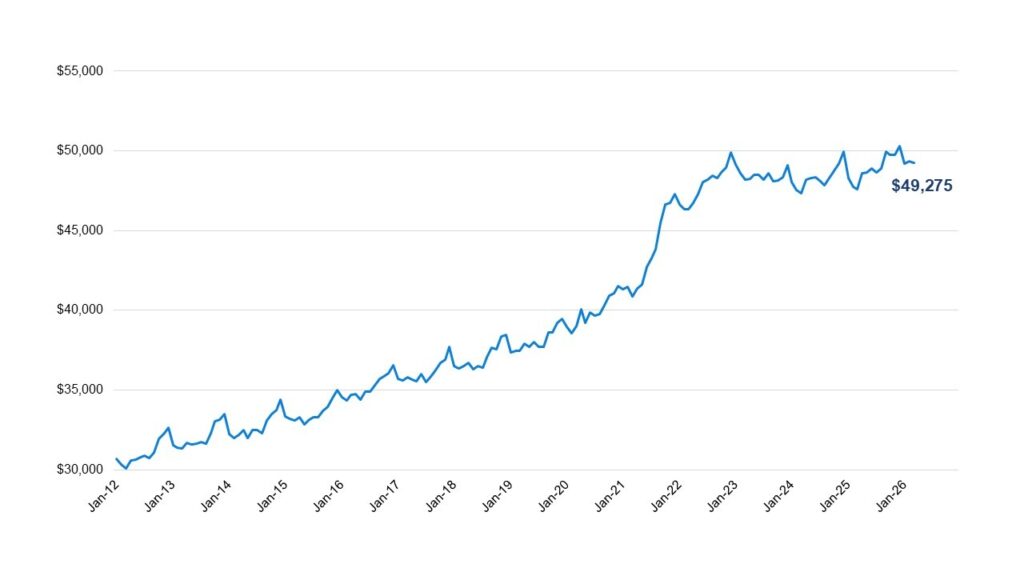
Meanwhile, prices for gasoline and hybrid cars remain stable. The industry’s average transaction price in March was $49,275, which is 3.5% higher than last year but virtually unchanged from February. So, while electric vehicles are getting cheaper, ICE models are in no hurry to meet them halfway.
The year-over-year price increase has accelerated for the fourth consecutive month. The average Manufacturer’s Suggested Retail Price (MSRP) reached $51,456, marking the 12th consecutive month above the $50,000 mark.
The Trend Towards Large Cars
The overall figures are significantly influenced by the preferences of American buyers. They still choose large vehicles, and these are not electric ones. Full-size pickups cost around $66,000, and full-size SUVs are approaching $80,000.
At the other end of the spectrum, compact cars are barely moving, with only a 1.1% increase compared to last year, and their price is still below $28,000. Even despite price increases, they are losing relevance as buyers continue to seek space, power, and status.
Price Dynamics by Brand
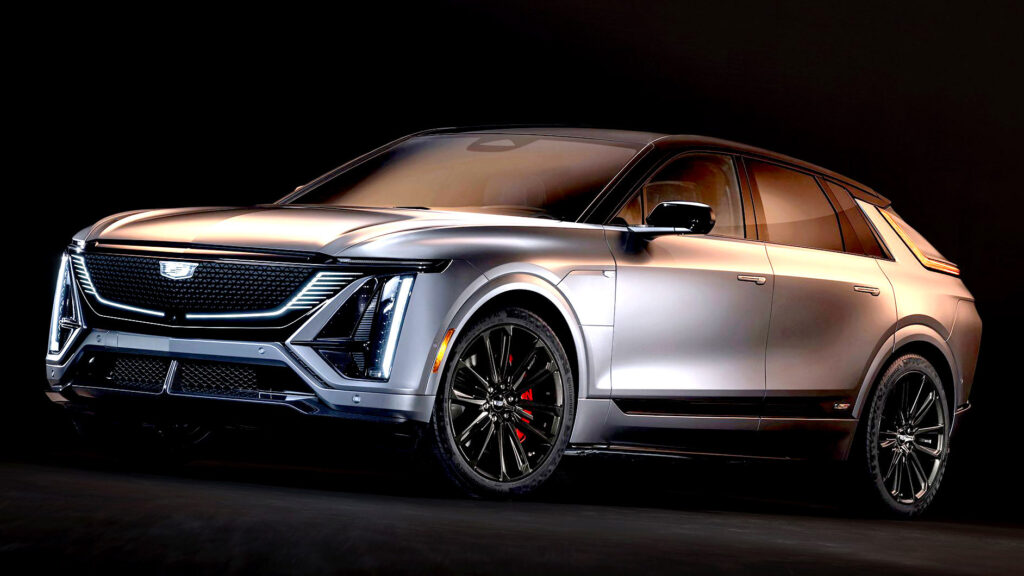
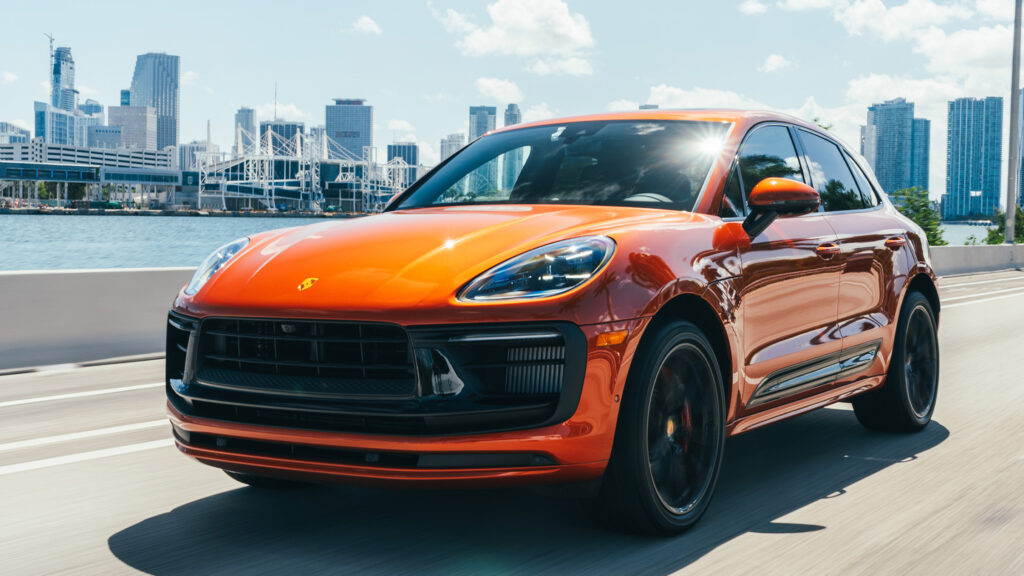
Brand-specific data adds another interesting layer. Porsche buyers seem to have missed the memo about shrinking US household budgets: average prices rose 12.4% compared to last year, to $128,447. Cadillac also shows an increase of 11.6%, to $84,139.
However, not everyone is so lucky. Mercedes-Benz prices fell by 3.4% to $75,886, and Tesla decreased by 2.6% to $53,142, continuing its quiet campaign of price cuts to remain competitive.
Incentives on the broader market increased to 7.2% of the average transaction price, compared to 6.9% in February. This shows that even if prices remain high, automakers are working hard behind the scenes to maintain buyer interest.
These changes are occurring against the backdrop of a general increase in the cost of new cars, which has continued for several consecutive months. The decline in electric vehicle prices is likely a strategic move by manufacturers aimed at stimulating demand and competing with traditional cars. However, the resilience of prices for large SUVs and pickups indicates that consumer preferences remain unchanged, which could slow the transition to electric vehicles in some market segments. Future dynamics will depend on whether manufacturers can find a balance between profitability, affordability, and the offerings that buyers actually need.