


Fuel Prices in the U.S. Fall to Lowest Levels Since 2021
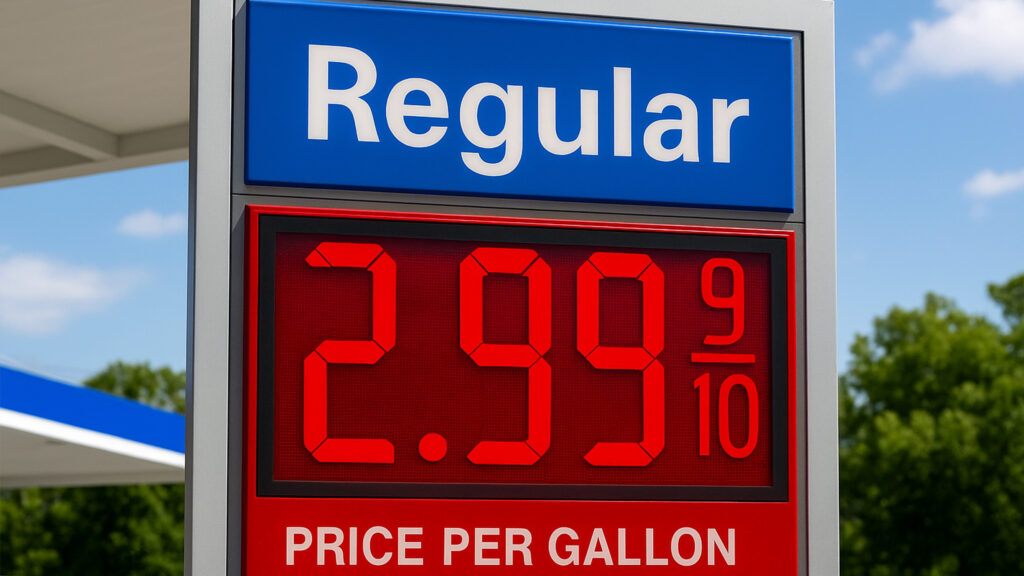
For drivers who worry when the low-fuel warning light illuminates on the dashboard, it’s a time of relief. Gasoline prices in the United States have dropped significantly, and the national average price for a gallon of regular gasoline has fallen below the $3 mark.
According to AAA, the average price per gallon of regular gasoline is now $2.998, which is the lowest level since the spring of 2021. This is a sharp contrast to the peak prices of around $5 observed after the start of Russia’s full-scale war against Ukraine.
The situation is even more favorable in eighteen states where prices have fallen below $2.75 per gallon. In states like Oklahoma, gasoline can be found for even less than $2.50. However, not all regions can boast such low prices. For example, in California, drivers still pay over $4.50 per gallon, and the rest of the West Coast is not far behind.
Reasons for the Sharp Price Drop
The main reason for this decrease at gas stations is the rapid drop in global oil prices. A barrel of American WTI crude oil is trading at around $59, which is significantly lower than the $70 level a year ago and even lower than the spike above $80 in 2022.
OPEC has turned the taps back on, U.S. production continues to grow, and demand remains sluggish. Under such conditions, where supply exceeds demand, prices at the pump could not remain high for long.


U.S. President Donald Trump has repeatedly mentioned the drop in energy prices as the fulfillment of one of his key promises. Indeed, prices are now lower than a year ago, yet they are still about a dollar higher than the $2 target often cited by the administration. The last time such a level was observed was in 2020, during the COVID-19 pandemic, when transportation activity sharply declined.


The drop in fuel prices represents significant savings for the budgets of many American families, especially ahead of the summer travel season. However, experts warn that this trend may not be stable. Geopolitical tensions, changes in the production policies of OPEC+ countries, and seasonal fluctuations in demand could quickly change the market situation. Meanwhile, the price differences between states are a reminder of the complex logistics and regulatory specifics that shape the final cost of fuel for the consumer.