


Nissan cancels plans for electric drive plant in Great Britain
Nissan has abandoned the construction of a plant for the production of electric drive axles near Sunderland, despite having previously invested about $65 million in the project. This decision is another consequence of the financial difficulties the company is trying to cope with.
The electric drives, which combine the motor, inverter, and gearbox into a single unit, were to be produced by Nissan’s subsidiary JATCO at the Sunderland site, which opened last year. The UK government provided a grant of £12 million ($16 million) to support the project, and the plant was expected to hire 183 new employees, although only 20 people have been hired so far.
Reasons for cancellation and future plans
Initially, the plant was planned to produce up to 340,000 electric drives annually, joining other JATCO facilities in Mexico, China, and Thailand. According to Nissan, the change in plans is part of the RE:Nissan revival program aimed at correcting the company’s difficult financial situation. Nissan is now considering the possibility of adapting the plant to produce other types of powertrains.
Fighting declining sales
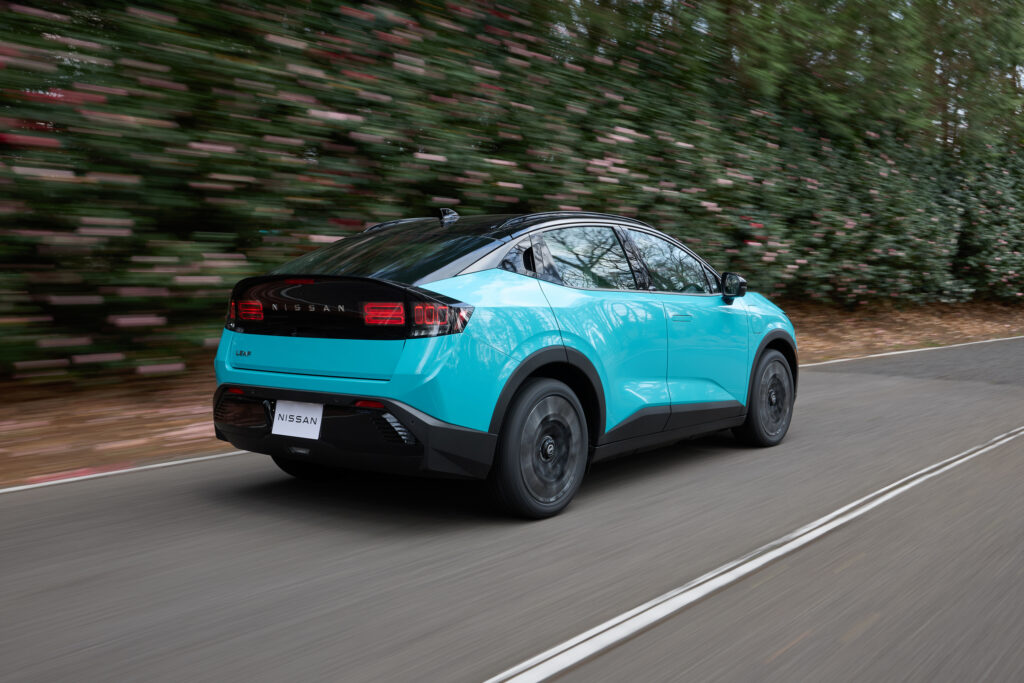
Nissan’s electric vehicle business in Europe is also experiencing difficult times. According to Nikkei Asia, Ariya sales fell by 44% in the 2025 financial year compared to the previous year. Leaf sales dropped by 99%, although this is explained by the fact that the old model was discontinued and replaced by a new, more affordable crossover. Nissan is betting on the new Leaf as its most popular electric vehicle in the region.
The company says there will be no immediate layoffs among the 20 workers at the site while an assessment of the possibility of adapting the plant to produce other types of powertrains continues. Despite the costly change of plans, a government representative stated that support for the brand would continue.
«The UK automotive industry is vital to the North East. That is why, through our Modern Industrial Strategy, we are providing nearly £1 billion in capital funding DRIVE35 and research and development funding to strengthen manufacturers and local supply chains in the region,» they told the BBC.

This situation shows how serious the financial challenges are for Nissan, forcing the company to reconsider even strategic investments supported by the state. The cancellation of the Sunderland plant could affect the company’s electrification plans in Europe, especially against the backdrop of falling sales of key models. At the same time, the UK government continues to demonstrate a willingness to support the automotive industry, which could be an important factor in attracting new investments to the region. Adapting the plant for other types of powertrains may indicate a shift in Nissan’s priorities towards hybrid technologies or other solutions that meet current market demand.