 by
by China’s Supreme Court on Legal Liability for Driver-Assistance Systems
Autonomous driving technologies are constantly improving, increasing trust in them. However, the Supreme People’s Court of China has clearly stated: regardless of the level of technological development, the legal liability for everything that happens on the road lies with the person behind the wheel. This decision could have broad implications.
The court published new guidelines on road traffic safety, which directly address the growing use and misuse of driver-assistance systems.
Who Bears Legal Liability?
According to the decision, activating driver-assistance functions does not transfer the role of the “driver” to the car. The person who activated the system remains the legal operator and bears full responsibility for safe operation.
Activating driver-assistance functions does not transfer the role of the “driver” to the car.
The decision was made against the backdrop of the proliferation of advanced driver-assistance systems in China’s rapidly growing market, dominated by electric vehicles and technology-saturated vehicles. The authorities specifically drew attention to situations where drivers become completely distracted from driving after turning on automatic functions, for example, starting to play on their phone, sleep, or otherwise fail to monitor the road situation.
Cracking Down on Devices for Cheating Monitoring Systems
The guidelines are also aimed at so-called “smart driving devices,” which allow drivers to cheat monitoring systems, creating the impression that the driver is alert. This decision finally removes any questions about liability, regardless of whether the driver uses a cheating device. If a person is in the driver’s seat, it is they who must ensure the safe movement of the vehicle.
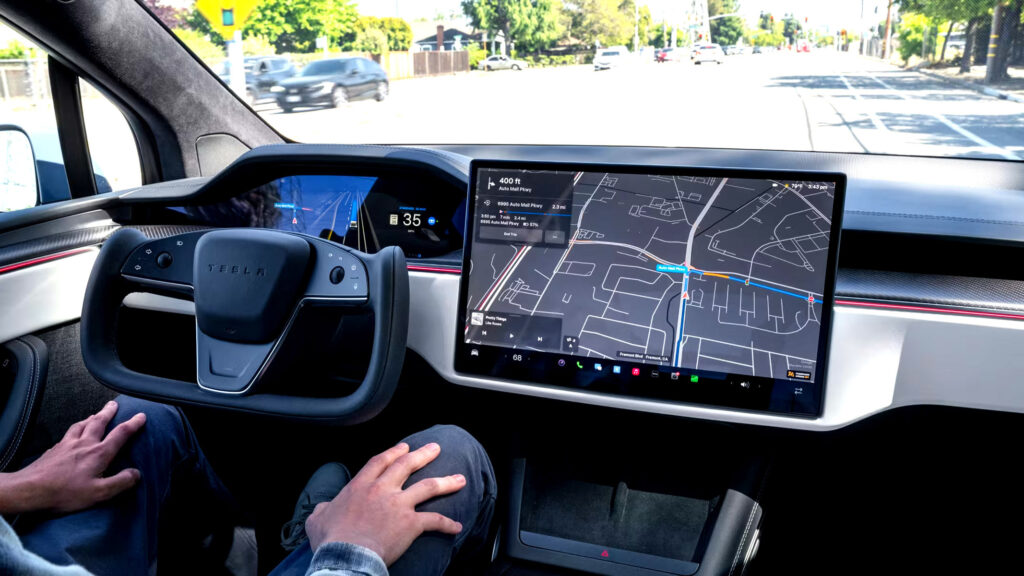
This position echoes decisions by a number of courts in the US, where people have filed lawsuits accusing automakers of misleading them about the capabilities of their autonomous driving systems. In the vast majority of cases, courts have ruled that the driver is responsible for monitoring the vehicle and its functions.
Global Implications for Automakers
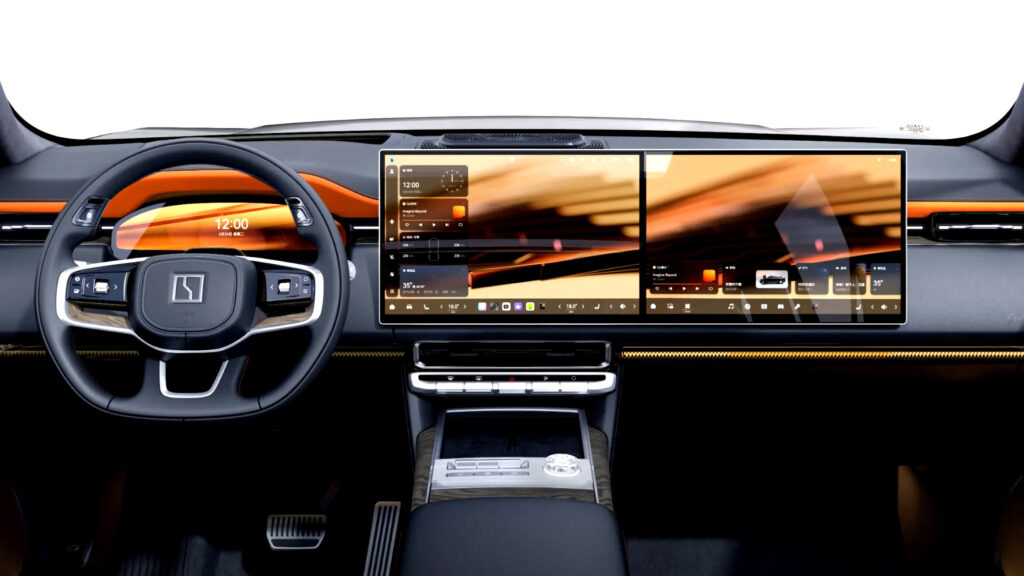
The Chinese government’s move could have repercussions in other parts of the world. Recent Chinese bans on retractable door handles and yoke steering wheels, as well as a potential decision on mandatory use of physical buttons instead of fully touch screens, will undoubtedly influence global trends in car design.
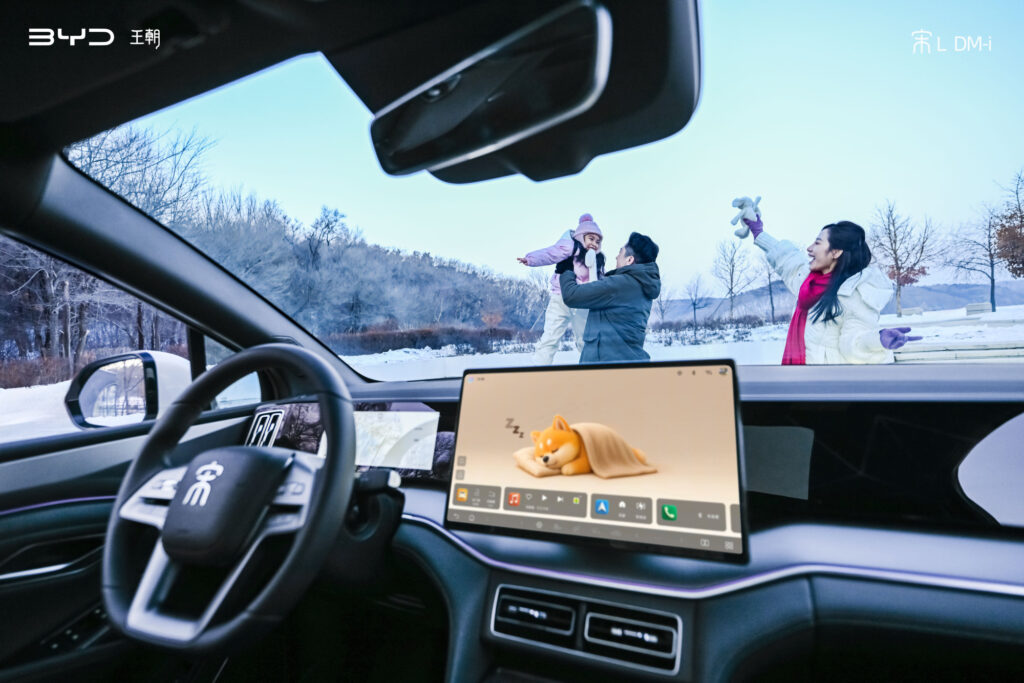
The emergence of such regulations in a key automotive market indicates that regulators worldwide are beginning to catch up with the pace of technological progress. This creates a new challenge for automakers, who must find a balance between innovation and ensuring absolute clarity about the limitations of automation for the end consumer. China’s approach could become a template for other countries seeking to prevent dangerous over-reliance on technologies that still require constant human attention.