


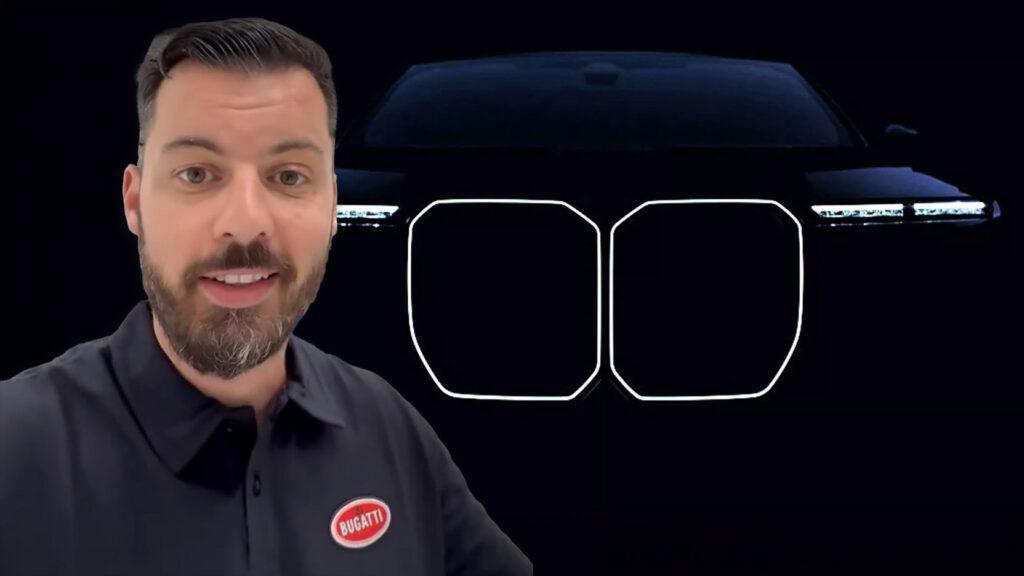
BMW has confirmed the next stage of its partnership with Rimac Technology, under which the Croatian firm will supply high-voltage battery systems for the upcoming updated i7 electric vehicle. The presentation of the updated sedan is expected by the end of this month.
Partnership History
For CEO Mate Rimac, this deal holds special symbolic significance. His own journey into the world of electric vehicles began back in 2009 with a modified BMW 3-Series E30. Now, the company he founded will supply the most crucial component for BMW’s flagship electric sedan. The Rimac Group also holds a controlling stake in the joint venture with Bugatti — Bugatti Rimac.
Rimac shared the news via his personal social networks, noting that the battery development has been carried out jointly with BMW over the past five years.
Production and Scale
The battery unit was developed in Jankomir, Croatia, and is now produced locally at Rimac’s massive 90,000-square-meter campus in Zagreb. From there, the finished battery packs are shipped to BMW’s plant in Dingolfing, Germany, where final vehicle assembly takes place.
Production capacity allows for the output of 300,000 modules per year, equivalent to approximately 50,000 complete battery systems annually. According to Rimac, the scale of the operation likely makes it the largest industrial project in Croatia’s history, underscoring the ambition of this venture.
The CEO of Bugatti Rimac stated that the dedicated production line for the BMW i7 battery cost 130 million euros. This amount even exceeds the cost of constructing the entire campus, which was 120 million euros.

Technological Features
The high-voltage battery pack combines BMW’s Gen6 cell chemistry with its Gen5-based modular architecture. It uses lithium-ion cylindrical cells in the 4695 format, providing 20% higher energy density compared to the prismatic cells used in current batteries.
BMW states that the new system will bring a “significantly increased range” and “much faster” charging compared to the previous i7 model, effectively introducing some Neue Klasse principles into the brand’s flagship electric sedan.
BMW has always been known for taking engineering to the highest level, which made this collaboration particularly exciting for us. Together, we developed a high-voltage battery system that unlocks the full potential of the new cylindrical cells in record time, delivering significant improvements in energy, range, and charging speed. We are proud to now see this system being produced at an industrial scale at our new Rimac campus.
Expected Debut
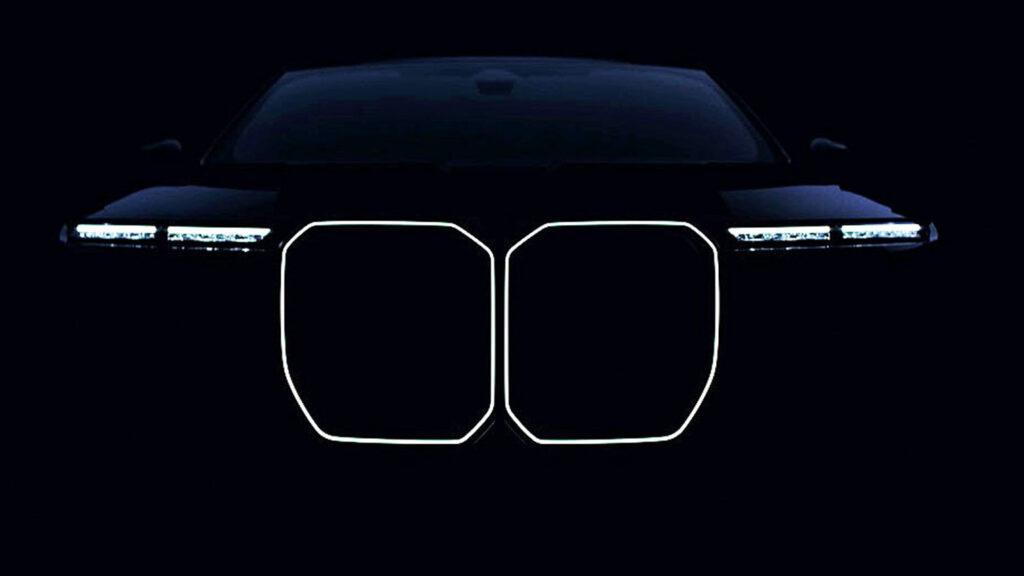
The updated BMW i7 is set to debut globally alongside the updated regular 7-Series with internal combustion engines at the Auto China 2026 show in Beijing in late April. Teasers, information leaks, and recent spy shots point to a redesigned front end and an updated interior.
This collaboration between a traditional automotive giant and a technology startup is a vivid example of how the automotive industry is changing. The development of key components, especially batteries, increasingly requires deep specialization and innovation that cannot always be fully provided within a large corporation. Rimac’s success, which started with garage modifications and now supplies systems for one of the world’s most prestigious sedans, demonstrates how new players can quickly take leading positions in critically important technological niches. For BMW, this partnership allows for the integration of cutting-edge developments without losing time, which could be decisive in the competitive battle for leadership in the premium electric vehicle market.